







- Where
- Lepelaarplassen, Flevoland
- Directions
- Directions
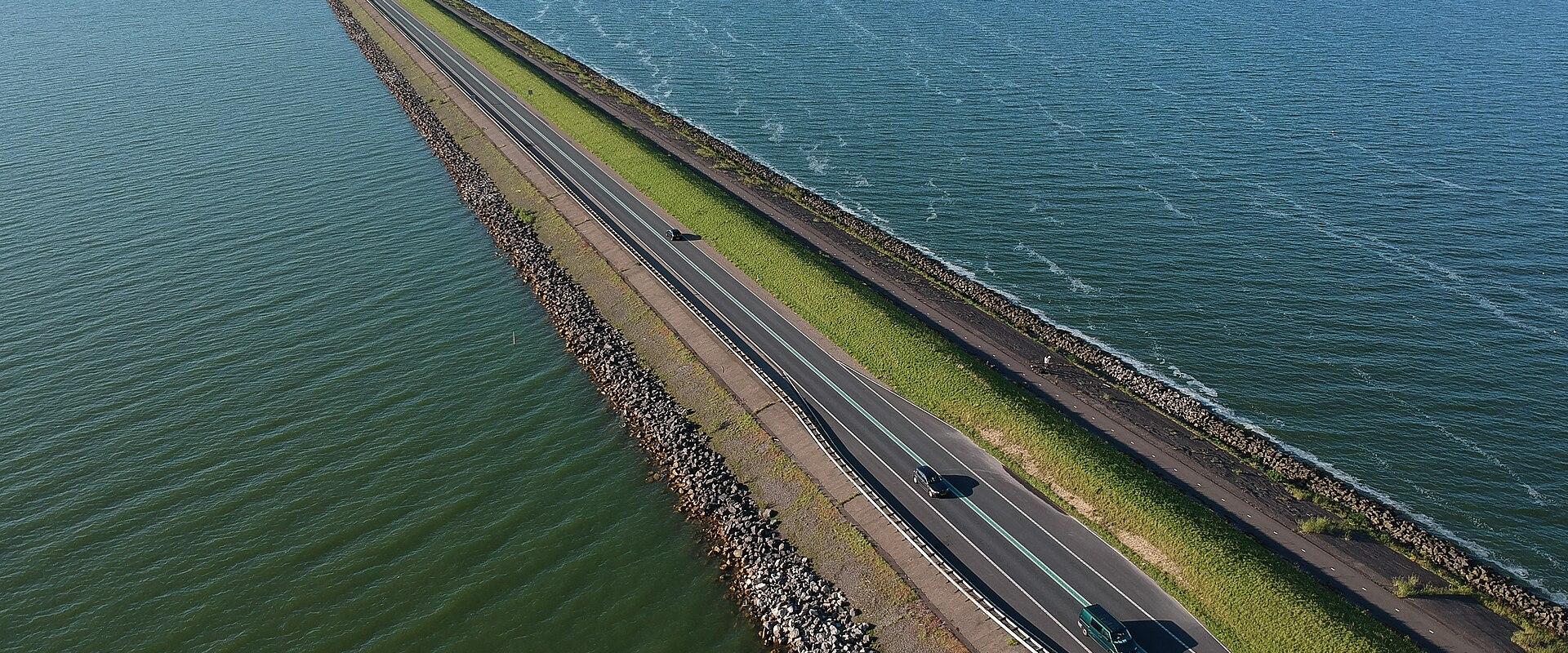
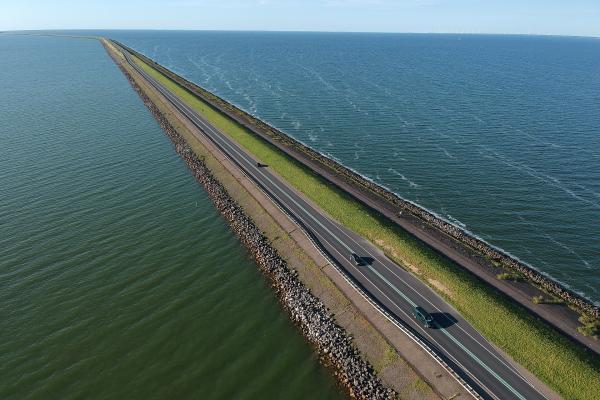
The dike along the Markermeer is one of the best ways to see the Lepelaarplassen, a nature reserve on the edge of the lake in Flevoland. The Markermeer is a large freshwater lake that was created when the Houtribdijk, between Enkhuizen and Lelystad, closed it off from the IJsselmeer in the 1970s, and the Lepelaarplassen lies on its southern shore, where the land and the water meet. The route follows the top of the dike, which separates the lake from the low-lying polder behind it, and gives wide views in both directions: open water on one side and reed beds, pools and marshland on the other.
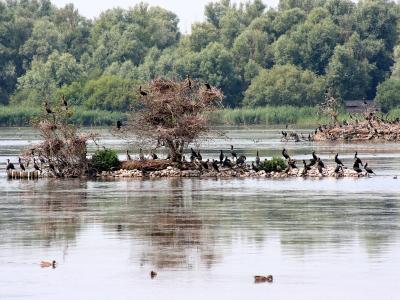
The reserve takes its name from the spoonbill, in Dutch lepelaar, a white wading bird with a flat, spoon-shaped bill, which breeds in colonies in the shrubs and reeds of the area. It is a protected area, established in the early 1970s, and is part of the European Natura 2000 network. Spoonbills are the highlight in spring and summer, but you may also see herons, geese, grebes, ducks and, in some years, white-tailed eagles, which have returned to this part of the Netherlands. Migration seasons in spring and autumn are especially rewarding for birdwatchers, and a pair of binoculars makes a big difference.
The route is simple to follow. The paths along the dike are suitable for walking and cycling, and the flat ground makes it easy for people of all abilities. Benches and observation points invite you to stop and look, and information signs explain the ecology of the reserve and the efforts to protect the Markermeer's habitats. The Spoonbill Path is one of the trails that lead into the reserve itself, and there are places where you can walk close to the water.
The lake has a larger story. The Markermeer is a shallow lake with murky water, and the quality of its habitats has been a long-running concern. The Marker Wadden, a group of artificial islands built from lake-bed silt in the middle of the lake, is a major restoration project that aims to improve conditions for birds and fish. From the dike you can look across the water towards the far shore, where Edam, Marken and Muiden lie, and the wide horizon gives a strong sense of Dutch water management at work.
The route suits cyclists, birdwatchers, photographers and anyone looking for open space close to Amsterdam and Almere. Wind is a constant on the dike, so bring a windproof layer, and go at dawn or in the evening for the best light and the most birds.
Categories
More photos coming soon
Nearby Attractions
Other places to visit in Lepelaarplassen

Kiss Bridge
Iconic pedestrian bridge over Lepelaarplassen wetlands
Urban Exploration · Promenades

Pirate Island Bridge
Wooden bridge connecting Pirate Island trails
Activities & Adventure · Coastal & Maritime
Spoonbill Path
Nature reserve with large spoonbill colony
Natural Wonders · Walking Trails
White-tailed Eagle Nesting Sites
White-tailed eagle nesting in Dutch wetland reserve
Natural Wonders · Hiking Trails
Questions people ask
Quick Facts
Best Time to Visit
Visit between April and May or September and October for optimal bird migration viewing and mild weather.