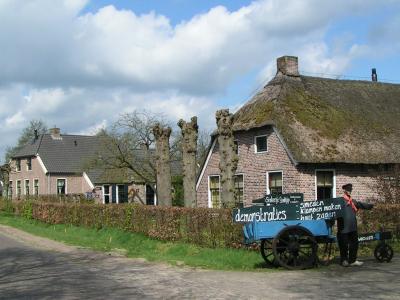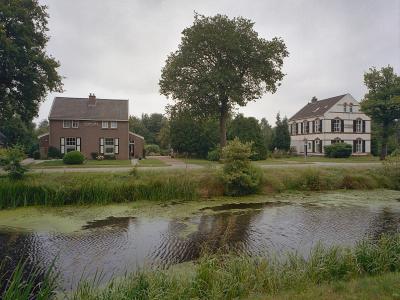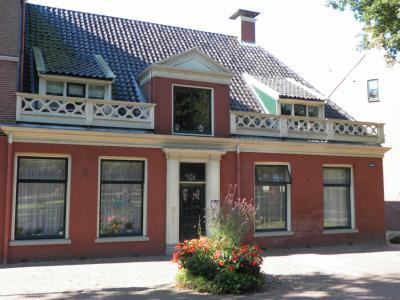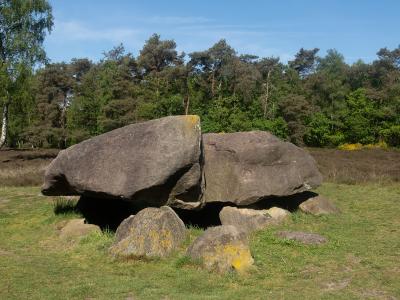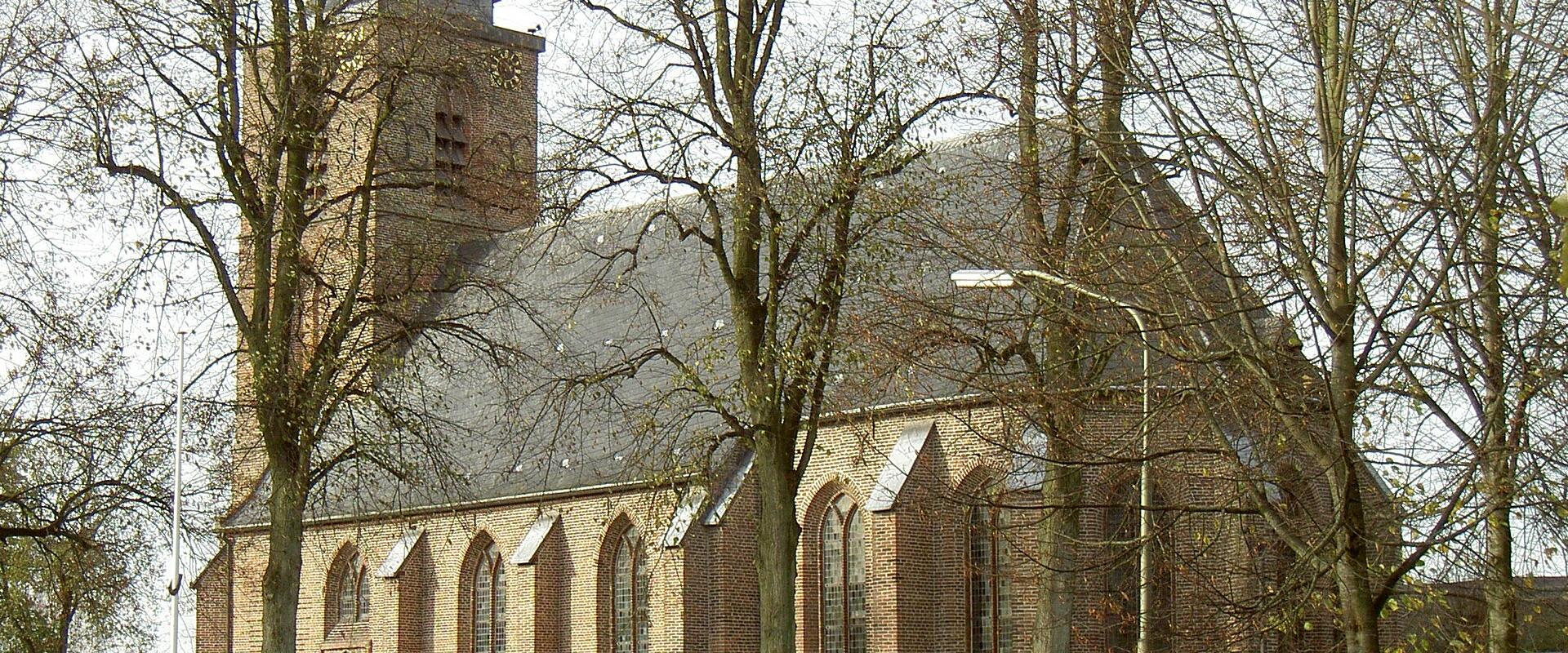
Dwingeloo lies in the middle of Drenthe, in the north of the Netherlands, and captures much of the character of rural Dutch life. Its history goes back to the Middle Ages, and the village was first mentioned in records of the 12th century. Over the centuries it developed as an agricultural settlement whose fortunes were tied to the surrounding heath and forest. It is part of the municipality of Westerveld today. The historic centre is built around the Sint-Nicolaaskerk, a medieval church that dominates the skyline, and the church square, lined with traditional houses, cosy cafes and local shops, is the centre of village life.
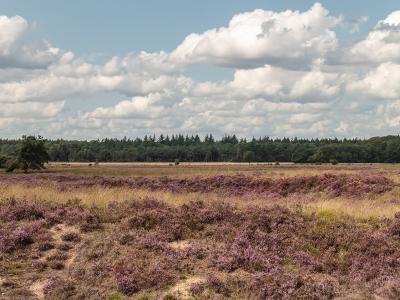
Dwingeloo’s greatest asset is its position beside Dwingelderveld National Park, the largest wet heathland in Western Europe. The park’s wide spaces of purple heather, quiet pools and old woodland provide a habitat for many species and good conditions for outdoor recreation. Visitors can follow a network of marked walking and cycling trails through varied landscapes, with chances to see rare birds, butterflies and grazing flocks of sheep. The Bezoekerscentrum Dwingelderveld, the visitor centre, is the gateway to the park, with exhibits, maps and information on the ecology and history of the area.
Among Dwingeloo’s attractions is the Dwingeloo Radio Telescope, a landmark for anyone interested in science. Built in 1956, it was the largest radio telescope in the world at the time, and it has been restored by volunteers and is open to visitors. It is a national monument, and was used in the 1990s and since to discover nearby galaxies. The Planetron offers stargazing sessions, astronomy exhibitions and educational programmes for all ages. The village also has De Juffer van Batinghe, a historic windmill, a symbol of Drenthe’s rural heritage. Local museums and galleries show the region’s culture, and seasonal events and markets bring the community together through the year.
Outdoor activities are plentiful in and around Dwingeloo. The flat terrain and scenic routes make cycling a favourite pastime, with paths leading through forest, heath and neighbouring villages. Walking is equally rewarding, especially in late summer when the heather is in full bloom. Nature lovers can join guided wildlife walks or simply enjoy the peace of the countryside. For families, the nearby Schaapskudde Ruinen offers a chance to see traditional shepherding in action and to learn how sheep help to maintain the heath.
Getting to Dwingeloo is straightforward. The village can be reached by car on regional roads, with parking near the centre and at the entrances to Dwingelderveld National Park. Public transport is by bus from Hoogeveen, Meppel and Assen, which connect with train services from major Dutch cities. Once in Dwingeloo, the compact village and the large network of trails make it easy to explore on foot or by bicycle.
The best time to visit Dwingeloo is from late June to late August, when the weather is warm and the heathland is at its most colourful. Spring and early autumn also offer mild temperatures and fine colours, while winter brings a quieter atmosphere and frosty landscapes. In any season Dwingeloo’s combination of natural beauty, cultural heritage and rural charm makes for a worthwhile visit, and clear dark skies make it a good place for stargazing.
In short, Dwingeloo offers scenic landscapes, outdoor activity and local tradition. Whether exploring the national park, wandering through the historic village or enjoying the calm of Drenthe, visitors will find an authentic and rewarding Dutch countryside stay.
Best time to visit
Late June to late August offers warm weather, blooming heath, and ideal conditions for hiking, cycling, and exploring Dwingelderveld National Park.
What to see in Dwingeloo
Our picks first.

Dwingeloo by interest
The same sights, grouped by what you came for.
Planning a visit to Dwingeloo
Itineraries that include Dwingeloo
Good to know
- Currency
- EUR
- Language
- Dutch