

A Cobalt Whisper from the Golden Age
The seventeenth century was not merely a historical marker; it was a crucible of explosive trade and artistic reinvention. Dutch artisans, operating under the strictures of the Guild of St. Luke, embarked on a relentless quest to replicate the elusive beauty of Chinese porcelain using only local resources. They discovered that mixing iron-rich clay with cobalt oxide yielded a striking, deep blue glaze that rivaled the originals in both intensity and allure. This technical breakthrough did more than create a new product; it forged a distinct visual language that remains iconic today. The resulting vessels possess a specific heft and a smooth, cool texture that invites touch. Their surfaces are not mass-produced but bear the subtle imperfections of hand-painting, offering a direct, tactile connection to the hands that shaped them centuries ago.
The Heartbeat of Markt and the Nieuwe Kerk
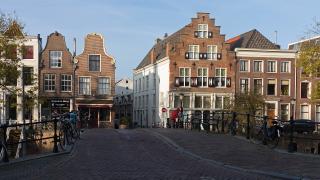
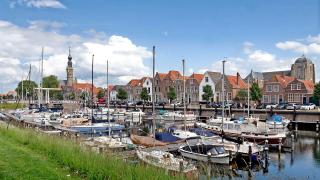
Standing beneath the Nieuwe Kerk’s soaring spire, one feels history breathing through the ancient stones. Tourists often pause here, captivated by the intricate brickwork that defines Delft’s skyline, while Royal Delft’s iconic blue-and-white porcelain sits nearby, with small vases priced around €45. This square pulses with energy, carrying the echoes of the 17th-century trade boom in every cobblestone. The ultramarine glaze on the ceramics tells stories far older than the canal rings, reflecting centuries of meticulous artistry. Let the atmosphere wash over you as you wander, allowing the quiet details of this timeless space to speak for themselves.
Royal Delft: The Last Master of the Craft
Inside the Porceleyne Fles, the air carries the distinct, earthy scent of wet clay and ancient kilns. Since 1653, this workshop has stood as the sole survivor of its kind, preserving a technique that feels almost magical. I watched a master painter guide a fine brush across a vase, creating tulips so delicate they seemed to breathe. The process relies on a rare blue glaze, often called ultramarine, which survives the intense heat of the firing cycle to become part of the ceramic itself. Each authentic piece bears a specific rooster logo, a seal of approval that connects the object directly to the 17th-century trade boom. Holding a finished plate reveals its cool, smooth weight, a tangible reminder of the Dutch Golden Age’s enduring artistic legacy.
Gliding Through the Veins of the City
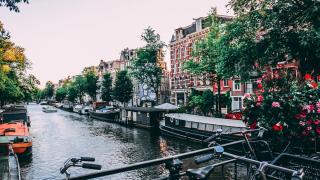
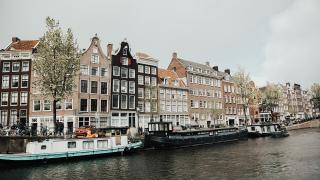
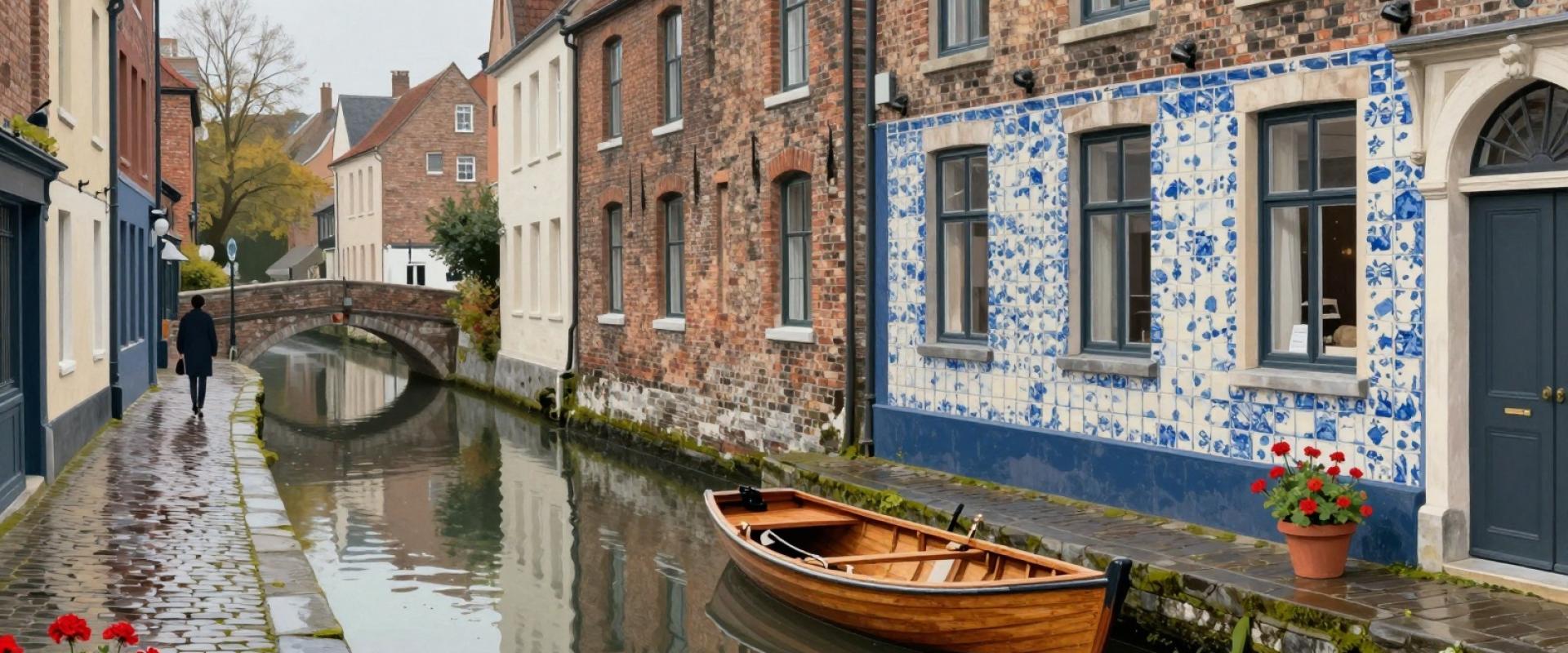
Canal boats drift past the Oude Kerk’s shadow, turning Delft’s waterways into living arteries. Guides narrate the 17th-century boom, explaining how pottery guilds linked local kilns to global trade routes. You hear tales of merchants shipping clay across oceans, leaving behind a legacy of blue glaze on every shard. This quiet ride transforms rigid stone facades into a breathing narrative of artistic innovation. Beauty here flows softly, shaped by currents that have molded this town for centuries.
The waterways of Delft are its true arteries, pulsing with history beneath the shadow of the Oude Kerk. A canal cruise offers a serene vantage point, revealing how these canals once connected the city’s thriving pottery guilds to global trade routes. Listen closely to the guide’s tales of 17th-century merchants, where cobalt blue stories were painted on clay and shipped across oceans. This tranquil journey through the city’s veins transforms static architecture into a living, breathing narrative of Dutch innovation and artistic legacy. It is a peaceful reminder that beauty often flows quietly, much like the gentle currents that have shaped this remarkable town for centuries.
Curating a Piece of History
That distinctive blue glaze lingers in memory long after you’ve wandered away from the canals. You can spot the genuine article by its maker’s mark, such as the one found on pieces from Koninklijke Porceleyne Fles, which guarantees a clear lineage. Holding a vessel, you feel the cool, smooth weight of the porcelain against your palm, a stark contrast to the warmth of the Dutch sun. These intricate designs echo the bustling trade routes of the 17th century, where merchants bartered for exotic pigments and skilled artisans mixed them with painstaking care. Bringing home a single tile or vase isn’t just a souvenir; it is a direct connection to that era of Vermeer, preserving the patience and precision of a craft that still defines Amsterdam’s soul.