







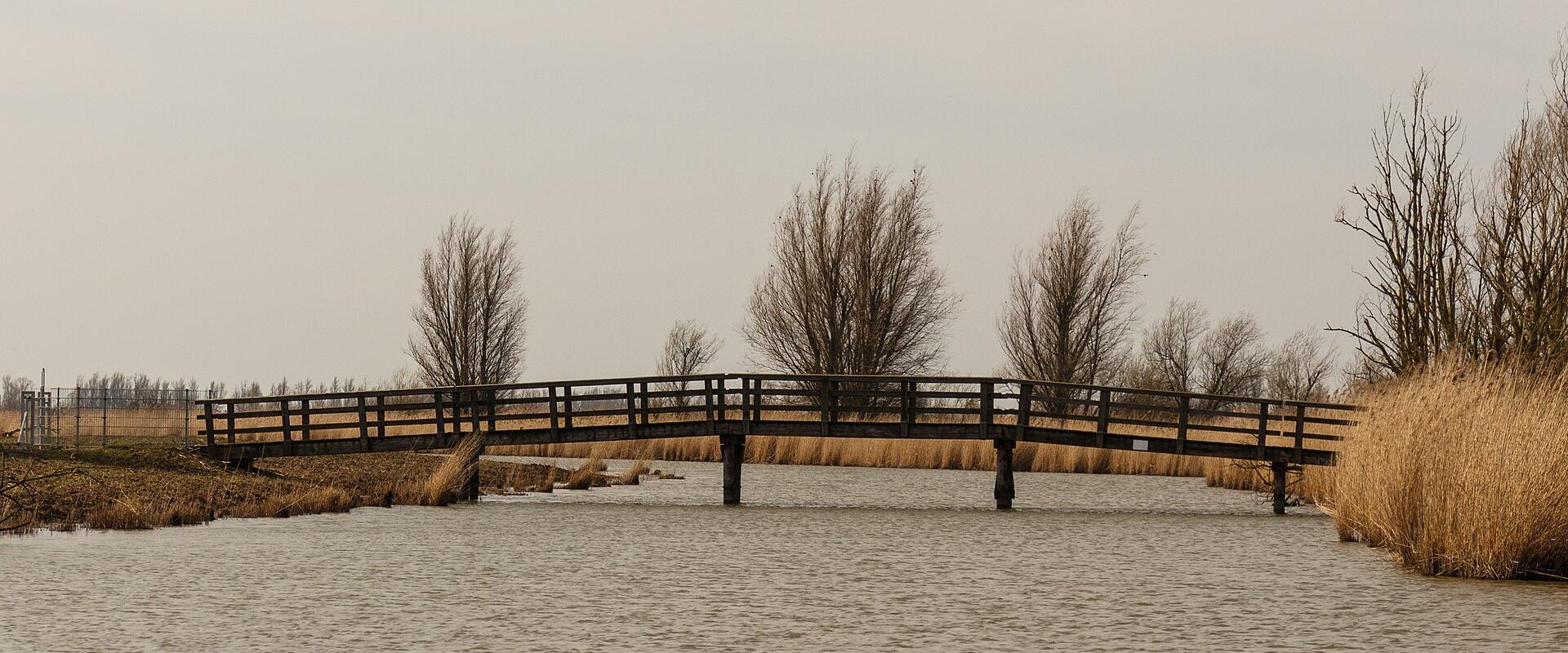
Sea Eagle Nesting Area
Majestic sea eagle nesting site in Oostvaardersplassen
- Where
- Oostvaardersplassen, Flevoland
- Directions
- Directions
The Oostvaardersplassen is one of the most remarkable nature reserves in Europe, and it has an unlikely origin. It lies in Flevoland, between Lelystad and Almere, on land that was drained from the old Zuiderzee in the 1960s. The plan was to turn the new land into an industrial zone, but economic plans changed, and in the meantime water collected in the lowest parts and reeds, willows and birds moved in on their own. By the 1970s the area had become so rich in wildlife that it was protected, and it is now a vast wetland of lakes, reed beds, marshes and grassland that is among the most important bird areas in the continent.
The white-tailed eagle, known in Dutch as the zeearend, is the largest bird of prey in the Netherlands, with a wingspan of well over two metres and a heavy yellow bill. The species had been wiped out in the country in the nineteenth and twentieth centuries through hunting, loss of habitat and pollution, and it was a landmark in Dutch conservation when a pair bred here in the mid-2000s, the first in the country for centuries. Since then the population has grown, and the Oostvaardersplassen has been one of the strongholds. The birds hunt over the open water and reeds for fish and waterfowl, and in winter they feed on carrion left on the ice.
The nests themselves are placed high in trees in quiet parts of the reserve and are closed to the public so that the birds are left undisturbed during breeding. Visitors watch from observation points and hides placed along dykes and paths, from where the eagles can sometimes be seen soaring or perched on posts. Binoculars or a telescope are essential, as the birds are often far away, and patience is rewarded. Spring and early summer are the best times, when adults are busy feeding young, but sightings occur all year round.
The reserve has other attractions. Huge flocks of geese, thousands of spoonbills, herons, bitterns and marsh harriers share the wetlands, and herds of large grazing animals, including Konik horses, red deer and Heck cattle, live freely in the grassland. A visitor centre offers information and advice on where to look, and walking and cycling routes give access to parts of the area. The reserve is free to enter and open during daylight.
The area suits birdwatchers, photographers and nature lovers. Dress warmly, bring binoculars and plan to arrive early in the morning or late in the afternoon, when the birds are most active.
Categories
More photos coming soon
Nearby Attractions
Closest attractions by distance

Luchtvaartmuseum Aviodrome
Dutch aviation history and aircraft exhibits
History Museums

Purmerend Market Square (Markt)
Historic cattle market square with terraces
From €9 Cultural Experiences · Food & Gastronomy
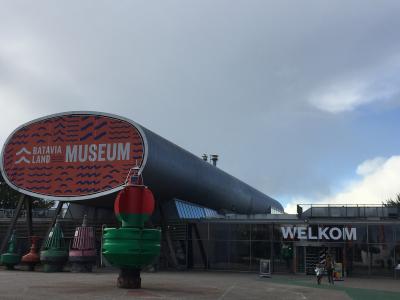
Batavialand
Heritage park exploring Dutch land and water history
Coastal & Maritime · Cultural Experiences

Bataviawerf
Historic shipyard with traditional wooden vessels
Coastal & Maritime · Cultural Experiences

Natuurpark Lelystad
Wildlife conservation and native species in natural habitats
Activities & Adventure · Natural Wonders

Pirate Island Bridge
Wooden bridge connecting Pirate Island trails
Activities & Adventure · Coastal & Maritime
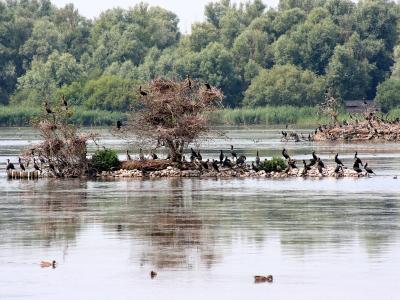
Spoonbill Path
Nature reserve with large spoonbill colony
Natural Wonders · Walking Trails
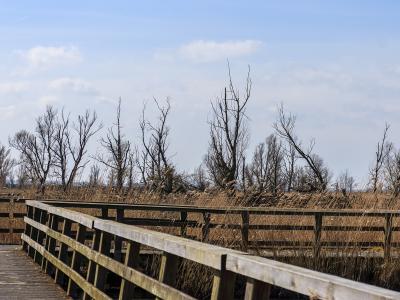
White-tailed Eagle Nesting Sites
White-tailed eagle nesting in Dutch wetland reserve
Natural Wonders · Hiking Trails
Questions people ask
Quick Facts
Best Time to Visit
Late spring to early autumn (May–September) offers mild weather, lush landscapes, and peak wildlife activity, especially for birdwatching and outdoor exploration.