







- Where
- Apeldoorn, Veluwe
- Directions
- Directions
Apeldoorn owes much of its character to the royal family. In the late seventeenth century, Stadtholder William III, who became King of England as well as ruler of the Dutch Republic, chose a hunting ground on the edge of the Veluwe for a country residence. The result was Het Loo, a baroque palace with formal gardens, built in the 1680s for him and his wife, Mary II. The family of Orange-Nassau used it for generations, and the town grew up around the estate, drawing wealthy residents who built villas among the trees.
The palace is the best-known royal site in the area. It is a restrained, symmetrical building in brick and stone, with low wings that curve around a forecourt, and it follows French and Dutch classical models of its time, with Daniel Marot among the designers associated with the interiors and gardens. Queen Wilhelmina spent much of her later life here, and she died at Het Loo in 1962. After the family left, the palace was restored and opened as a museum in the 1980s. Rooms are furnished and decorated to show the different periods of use, from the seventeenth-century state apartments to the more homely rooms of twentieth-century royals, and the collection includes paintings, furniture, carriages and personal belongings.
The gardens are part of the attraction. They have been reconstructed in the style of the original design, with symmetrical parterres, clipped hedges, fountains, statues and long perspectives that were meant to show the wealth and taste of the owner. A colonnade and the water features give them a theatrical quality, and the king's and queen's gardens are laid out as mirrors of each other. In summer, the flower beds are at their best, and the combination of the garden and the facade makes for fine photographs.
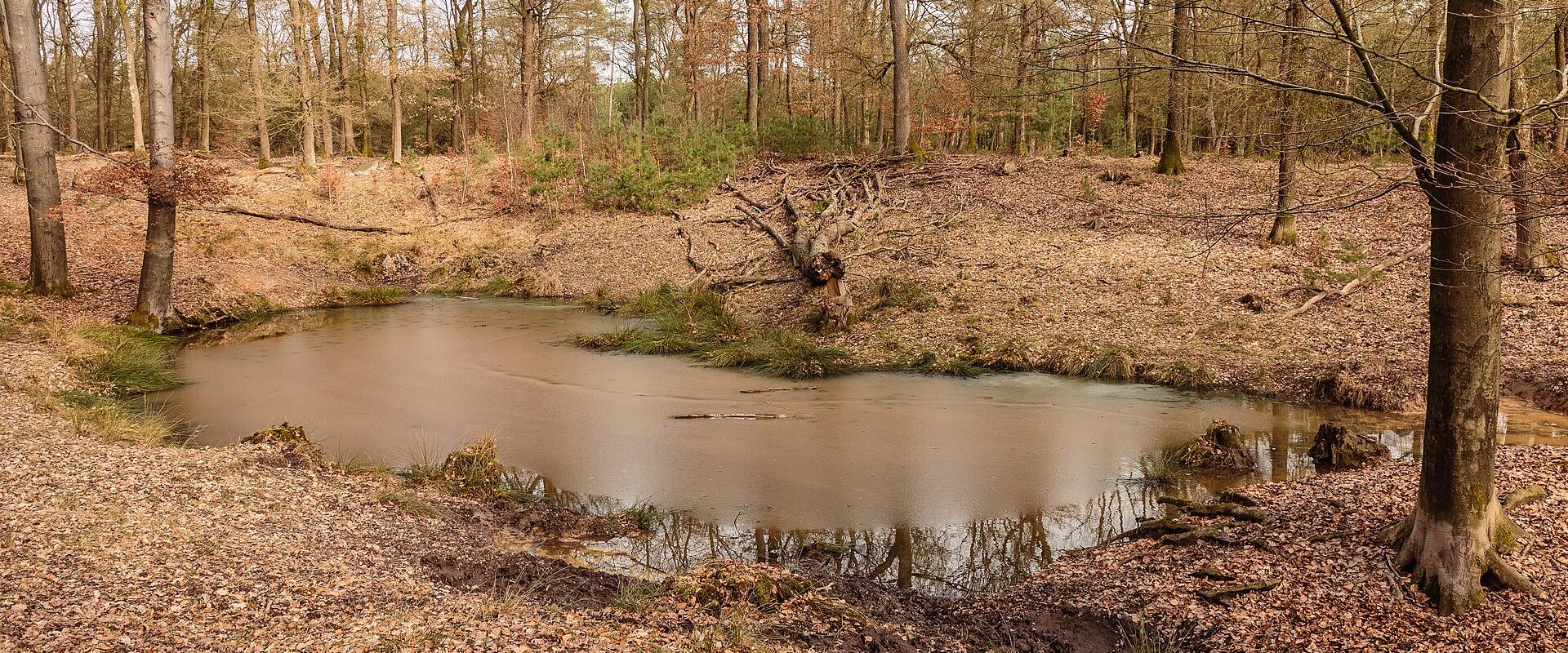
Beyond the palace, the surrounding landscape forms part of the former crown estate. Woods, heath and meadows cover a large area north of Apeldoorn, and walking and cycling routes cross it. Wild animals such as red deer, roe deer and wild boar live in the area, and sightings are possible at dawn and dusk. Smaller estates and country houses in the region, along with the Apenheul primate park, add variety, and the city centre has cafes and the CODA museum.
The estates suit history lovers, garden enthusiasts, families and walkers. Allow half a day for the palace and gardens, and check the opening times and ticket details before you go. Combining it with a walk in the woods rounds out the visit.
Categories
More photos coming soon
Nearby Attractions
Other places to visit in Apeldoorn
city parks
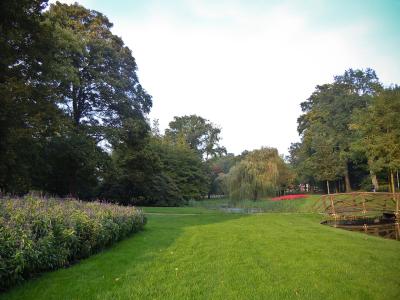
Nine historic city parks with nature and play areas
Activities & Adventure · Natural Wonders

old historic centre of the city
Historic heart of Apeldoorn’s royal heritage
Cultural Experiences · History & Heritage
Apenheul Primate Park
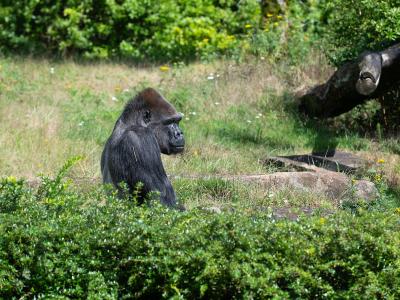
Free-roaming primates in a Dutch forest
From €21.50 Activities & Adventure · Zoos & Aquariums
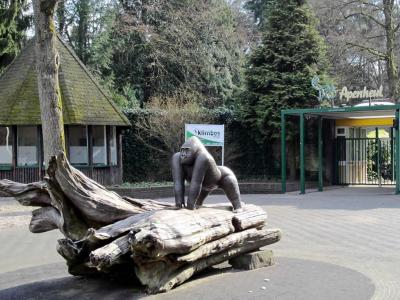
Apenheul Zoo
Zoo with over 300 free-roaming primates
Zoos & Aquariums
Questions people ask
Quick Facts
Best Time to Visit
Late spring to early autumn (May–September) offers mild weather, blooming gardens, and ideal conditions for outdoor activities and sightseeing.