







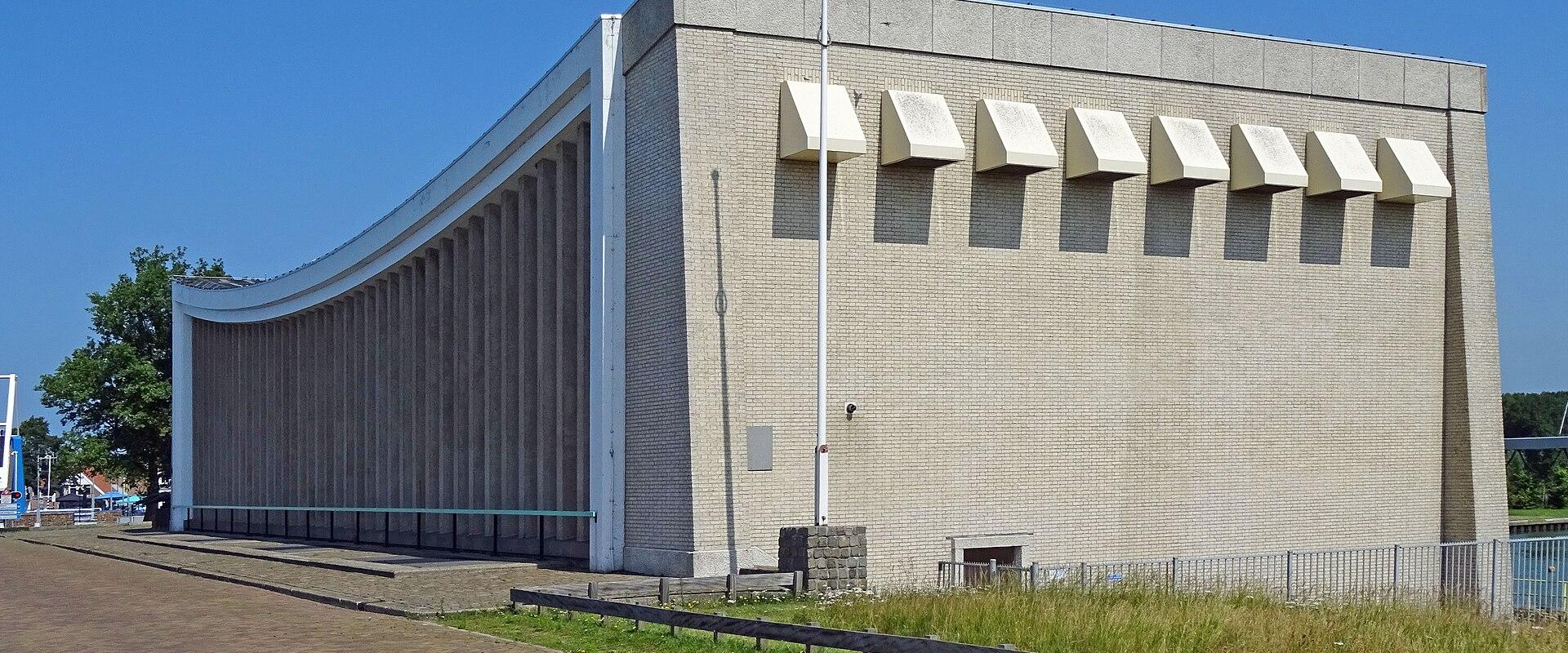
J.L. Hooglandgemaal
Historic pumping station preserving Friesland's water her...
- Where
- Stavoren, Friesland
- Directions
- Directions
Stavoren stands on the south-western corner of Friesland, where the province meets the IJsselmeer, and the J.L. Hooglandgemaal is the large pumping station on the edge of the town. A gemaal is a pumping station, the working building of Dutch water management, and this one forms part of the system that keeps the land of Friesland dry. The details of its construction and operation are not widely documented in visitor information, so it is best approached as an example of the kind of structure that supports daily life in a low-lying country.
The need for such stations is easy to explain. Much of the Netherlands lies at or below sea level, and without constant management the land would revert to marsh or flood. In Friesland the water is handled in layers. Rain and groundwater drain from the fields into ditches, from ditches into canals and lakes, and from the canals into the sea. Gravity can move water out when the level outside is lower, through sluices, but when the sea is high or the inland water is too full, pumps are needed to lift it over the dyke. Pumping stations stand at the points where the inland waterways meet the sea, and Stavoren, at the edge of the IJsselmeer, is a natural place for one.
For most of history, windmills did the job, and those that survive in other places show how the system began. In the nineteenth and twentieth centuries steam, diesel and electric pumps took over, with huge capacity and the ability to work regardless of wind. The architecture of such stations is often distinctive, with large brick halls, tall windows and a plain, functional look that has its own appeal. A walk around the exterior gives a sense of scale, and the outflow channel into the lake shows where the water leaves.
The interior is generally not open on a regular basis, but information boards and the surroundings explain the purpose, and special open days are sometimes held. Check locally if you want to see inside.
The station fits easily into a visit to Stavoren, which has a harbour, a beach on the IJsselmeer, the statue of the Vrouwtje van Stavoren and cafes along the water. The dyke is good for cycling, and the Frisian lakes lie close by. It suits engineering enthusiasts, cyclists and anyone curious about how the Netherlands keeps its feet dry. A look takes a few minutes, but it makes an interesting stop on a longer walk along the shore.
Categories
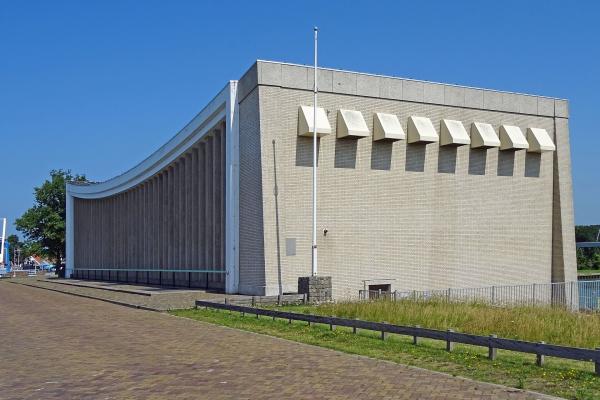
More photos coming soon
Nearby Attractions
Other places to visit in Stavoren
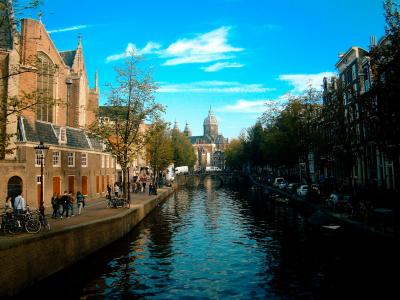
Ferry service between Enkhuizen and Stavoren
Oldest ferry route crossing the IJsselmeer since 1886
Coastal & Maritime · Boat Tours

Fishing port
Oldest Frisian fishing port on IJsselmeer shores
Coastal & Maritime · Harbors
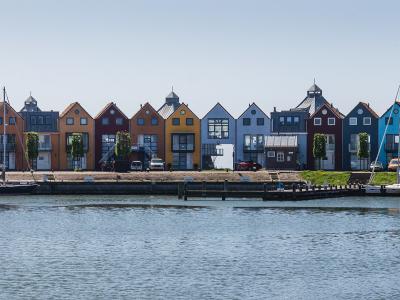
Houseboats and glamtainers
Houseboats and glamtainers moored in historic Stavoren
Activities & Adventure · Coastal & Maritime

IJsselmeer Beach
Historic fishing village beach on IJsselmeer shore
Coastal & Maritime · Natural Wonders
Questions people ask
Quick Facts
Best Time to Visit
June to August offers warm weather, lively harbor life, and ideal conditions for sailing, cycling, and exploring Stavoren’s waterfront and historic sites.