Ferries in the Netherlands fall into three groups: overnight and day ferries from England to three Dutch ports, short crossings to the five inhabited Wadden islands in the north, and small local ferries across rivers, canals and the IJ in Amsterdam. For most visitors the useful ones are the Harwich, Hull and Newcastle routes, the island ferries, and Amsterdam's free ferries behind Centraal station.
Ferries from the UK to the Netherlands
Three routes link England with the Dutch coast. All carry cars, and all are long enough that a cabin is worth considering on the overnight sailings.
| Route | Operator | Dutch port | Crossing |
|---|---|---|---|
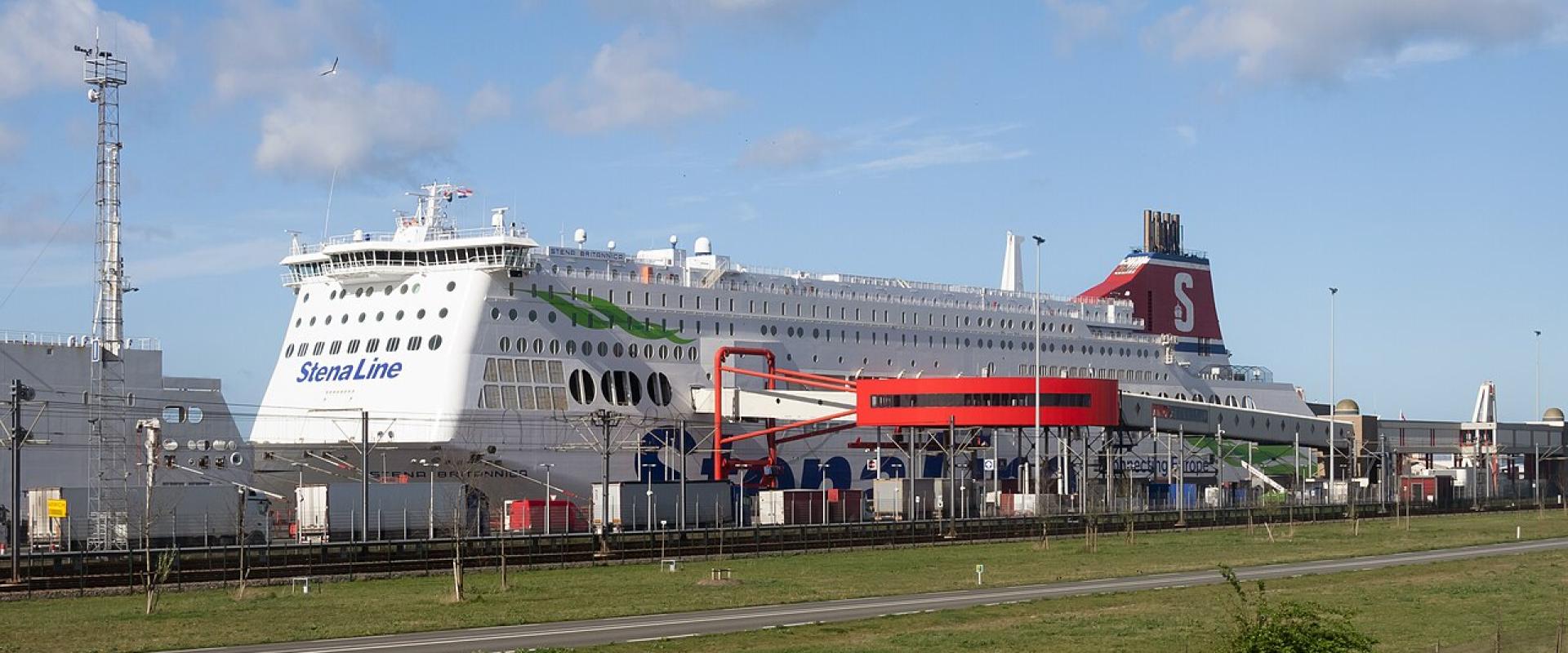
| Harwich – Hook of Holland | Stena Line | Hoek van Holland | from about 6.5 hours, day and night sailings |
| Hull – Rotterdam | P&O Ferries | Europoort (Rotterdam) | overnight |
| Newcastle – Amsterdam | DFDS | IJmuiden | overnight, about 16 hours |
Harwich – Hook of Holland is the shortest North Sea crossing to the Netherlands and the only one with daytime sailings; Stena Line runs four sailings a day. Hoek van Holland is at the mouth of the Nieuwe Waterweg, west of Rotterdam. Rotterdam metro line B runs to Hoek van Holland Haven station, close to the terminal, so foot passengers can continue to Rotterdam Centraal without a car. Stena also sells combined rail-and-sail tickets from UK stations.
Hull – Rotterdam sails overnight every night with P&O Ferries. The Dutch terminal is at Europoort, in the port area far west of Rotterdam city centre, so drivers are on the motorway network straight away. Foot passengers should check transfer options when booking, because the terminal is not walkable from any town.
Newcastle – Amsterdam is run by DFDS from North Shields to IJmuiden, a port town on the North Sea at the mouth of the North Sea Canal. Sailings are daily, leaving in the late afternoon and arriving the next morning. IJmuiden is about 25 km from central Amsterdam, so drivers have a short onward journey and foot passengers need a coach or bus connection.
Fares change with season, cabin type and vehicle, so compare prices directly with the operators rather than relying on old figures.
Ferries to the Wadden Islands
Five inhabited islands lie off the north coast in the Wadden Sea, a UNESCO World Heritage Site. Each has its own ferry from a mainland port.
| Island | Departure port | Operator | Cars for visitors |
|---|---|---|---|
| Texel | Den Helder | TESO | Yes |
| Vlieland | Harlingen | Doeksen | No |
| Terschelling | Harlingen | Doeksen | Yes |
| Ameland | Holwerd | Wagenborg | Yes |
| Schiermonnikoog | Lauwersoog | Wagenborg | No |
Texel is the easiest island to reach. The TESO ferry from Den Helder to 't Horntje takes about 20 minutes and runs frequently through the day. TESO does not take reservations: buy a ticket and board the next sailing. Den Helder has a direct train connection, and buses meet the ferry on the Texel side.
Vlieland and Terschelling are served from Harlingen in Friesland by Doeksen, with a slower regular ferry and a faster passenger-only service. Visitors cannot bring cars to Vlieland; you park in Harlingen and use a bicycle or the island bus.
Ameland (from Holwerd) and Schiermonnikoog (from Lauwersoog) are served by Wagenborg. Schiermonnikoog is also car-free for visitors: cars, motorbikes and mopeds need an exemption from the municipality, so plan on leaving the car in Lauwersoog.
On the Wadden routes, booking ahead matters most for cars on summer weekends and Dutch school holidays. Foot passengers and cyclists usually just buy a ticket, though a timetable check is wise in winter when the schedules thin out.
Amsterdam's free IJ ferries
The IJ waterway separates central Amsterdam from Amsterdam-Noord, and the city's public transport company GVB runs free ferries across it from the waterfront behind Centraal station. Pedestrians, cyclists and moped riders ride free; there is no ticket or check-in.
- Centraal – Buiksloterweg: the busiest route, a crossing of a few minutes to the Eye Filmmuseum and A'DAM Tower. It runs around the clock.
- Centraal – NDSM: a longer ride of roughly a quarter of an hour to the former NDSM shipyard, now a creative district with a large flea market, studios and restaurants. It runs from morning until late evening, with a reduced night service.
- Centraal – IJplein: a short crossing to the east side of Noord.
Several other GVB ferries cross the IJ and the canals further from the centre, mainly for commuters. The ferries are crowded with bicycles at rush hour; walk on after the cyclists and stand clear of the ramps.
River and canal ferries across the country
Rivers such as the Lek, Waal, Maas and IJssel have few bridges in rural stretches, and dozens of small ferries (veerponten or pontjes) fill the gaps. Some carry cars, others only cyclists and pedestrians. They are a normal part of Dutch cycling routes, and fares are usually small and paid on board.
In Zeeland, the Westerschelde Ferry between Vlissingen and Breskens is a passenger and bicycle ferry; cars use the Westerschelde Tunnel instead. In Rotterdam, waterbuses run along the Nieuwe Maas towards Dordrecht and Kinderdijk, the windmill site that is also a UNESCO World Heritage Site.
Many small river ferries run only in the summer season or on limited hours, so check the timetable before planning a cycling day around one.
Tickets, timetables and boarding
- Book international routes in advance, especially cabins and car spaces in July and August. Check-in for the North Sea routes closes well before departure, typically at least 45 minutes for cars.
- Island tickets are bought from the operator's website or at the terminal. Most are return tickets; if you plan to cross between islands, check whether your ticket allows it.
- Bicycles are carried on the Wadden ferries for an extra charge and are free on Amsterdam's GVB ferries. On the North Sea routes, bicycles are booked as a vehicle type.
- Documents: the UK is outside the Schengen area, so passengers on the North Sea routes go through passport control. Non-EU travellers are registered by the EU's Entry/Exit System at the border.
- Timetables for public-transport ferries appear in journey planners such as 9292 and in the operators' own apps.
Planning tips
- For a car trip from Britain, Harwich – Hook of Holland gives the shortest crossing and the option of a day sailing; the Hull and Newcastle routes save a long drive south in England and replace a hotel night with a cabin.
- For a day trip to an island, Texel is the only practical choice without an early start: frequent ferries, no booking, and a train to Den Helder.
- On Vlieland and Schiermonnikoog, rent a bicycle near the harbour on arrival; distances are short and the islands are designed around cycling.
- The North Sea can be rough in autumn and winter. Seasickness tablets and a cabin near the middle of the ship help on overnight crossings.
- Sailings are occasionally cancelled in storms. Keep the operator's app or email notifications switched on in the days before travel.