
2-day itinerary
Steenbergen Weekend Getaway
Two-day general itinerary exploring Steenbergen, Netherlands
- Length
- 2 days · 2 sights
- Pace
- Easy
- Estimated cost
- €130 per person
- Based in
- Steenbergen
Day by day
-
Day 1: Arrival and Historic Center Exploration
Settle into Steenbergen and explore the charming town center, focusing on its unique coffee and tea heritage.
-
10:00
Arrival and Check-in
Arrive in Steenbergen via car or train (transfer in Roosendaal or Breda). Check into your accommodation and drop off luggage.
About 60 min
-
11:00
Visit Koffie- en theemuseum De Klokgevel
Explore the Museum of Coffee and Tea. This small but fascinating museum showcases the history of coffee and tea culture in the Netherlands, featuring antique equipment and historical artifacts.
About 1.5 hours
-
12:30
Lunch in Town Center
Enjoy a casual lunch at a local café or restaurant in the historic center. Try traditional Dutch snacks or a light meal.
About 60 min
-
14:00
Explore Rabotpark
Walk through Rabotpark, a historic industrial site turned cultural hub. Enjoy the green spaces, historic fortifications, and the unique atmosphere of this transformed landscape.
About 2 hours
-
16:00
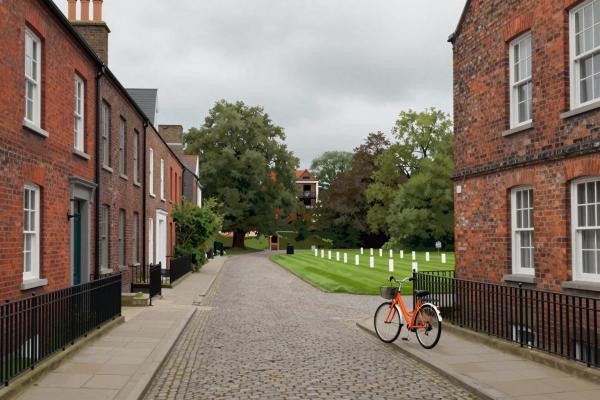
Stroll through Historic Streets
Take a leisurely walk through the narrow streets of Steenbergen, admiring the architecture and local shops.
About 60 min
-
18:30
Dinner
Dinner at a local restaurant. Look for a place serving regional Brabant cuisine.
About 1.5 hours
- Meals:
- Lunch at Town Center; Dinner at Local Restaurant
- Where to stay:
- Stay in the town center for easy access to attractions. Options range from boutique hotels to B&Bs.
- Getting around:
- Walking is sufficient for most activities. A car is useful if arriving from further away.
-
10:00
-
Day 2: Nature and Relaxation
Enjoy the natural beauty of the surrounding area and relax before departure.
-
09:00
Breakfast
Enjoy a hearty breakfast at your accommodation or a nearby café.
About 60 min
-
10:00
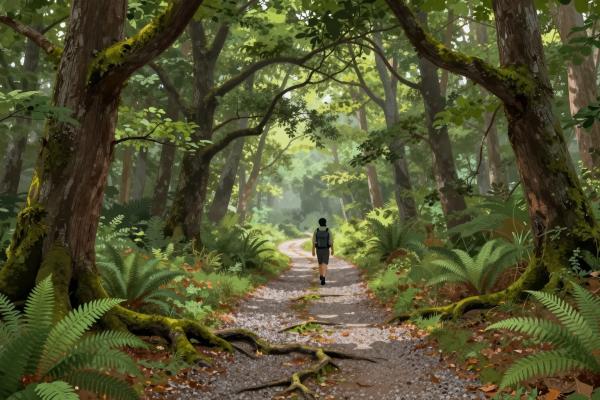
Morning Walk in Rabotpark
Return to Rabotpark for a morning walk. The park is less crowded in the morning, offering a peaceful experience among the historic industrial structures and nature.
About 2 hours
-
12:00
Lunch
Light lunch at a café near the park or back in the town center.
About 60 min
-
13:30
Visit Local Shops and Souvenirs
Browse local shops for souvenirs, including local specialties like cheese or crafts.
About 1.5 hours
-
15:00
Final Coffee and Departure Prep
Have a final coffee or tea before heading to your transport.
About 60 min
- Meals:
- Breakfast at Accommodation/Café; Lunch at Town Center/Park Area
- Where to stay:
- Check out and prepare for departure.
- Getting around:
- Walking is sufficient. Ensure you have time to return your rental car or catch your train.
-
09:00