

1-day itinerary
One Day in Nationaal Park De Groote Peel
One-day hike through raised bogs and heathlands
- Length
- 1 day · 1 sight
- Pace
- Easy
- Estimated cost
- €25 per person
- Based in
- Nationaal Park De Groote Peel
Day by day
-
Day 1: Exploring the Raised Bogs and Heathlands
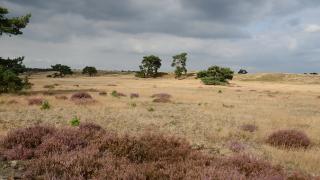
A full day dedicated to hiking the diverse landscapes of De Groote Peel, including peat bogs, heathlands, and forests. The itinerary focuses on the 'De Peelrand' trail for a comprehensive overview of the park's unique ecology and birdlife.
-
09:00
Arrival and Parking
Drive to the main visitor center parking area at 'De Peelrand' (near Oirschot or Baarle-Nassau depending on entry point). Park the car and pick up a map or download the official app for trail navigation.
About 30 min
-
09:30
Hike: De Peelrand Trail (Section 1)
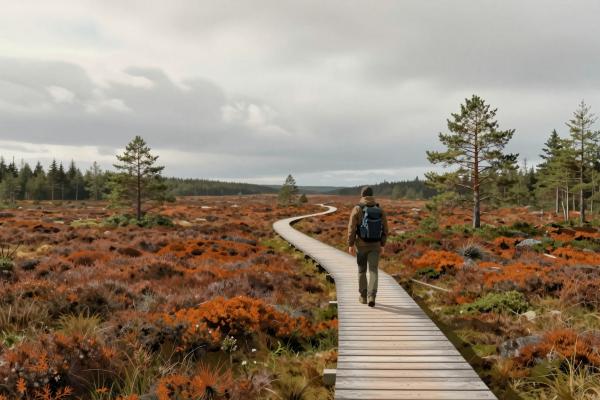
Begin the hike on the well-marked De Peelrand trail. This section takes you through open heathlands and past raised bogs. Look for dragonflies and butterflies. The path is mostly flat with some wooden boardwalks over soft peat.
About 2 hours
-
11:30
Birdwatching at the Ponds
Stop at one of the many ponds along the trail. This is a prime spot for spotting waterbirds, kingfishers, and potentially cranes during migration seasons. Use binoculars if available.
About 30 min
-
12:00
Picnic Lunch
Enjoy a packed lunch at a designated picnic spot or a bench overlooking a marshland. Bring your own food to minimize waste and support the 'leave no trace' principle.
About 60 min
-
13:00
Hike: Forest and Peat Path Section
Continue the hike through the forested areas and along old peat extraction paths. Observe the historical scars of the landscape and the regeneration of the bog. Look for roe deer in the denser forest sections.
About 2 hours
-
15:00
Visit the Observation Tower
Climb one of the park's wooden observation towers for a panoramic view of the heathlands and bogs. This is an excellent spot for photography and spotting birds of prey.
About 60 min
-
16:00
Short Walk: The Peat Bog Reserve
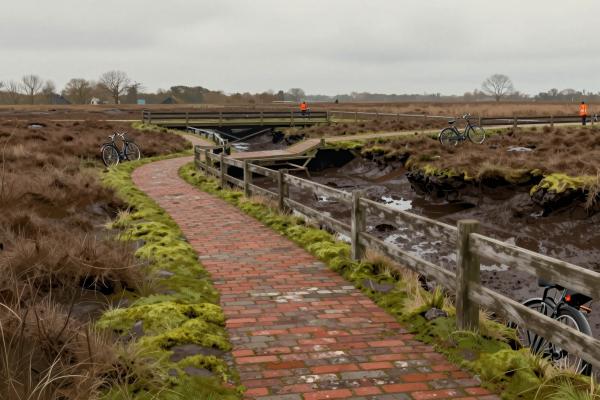
Take a shorter, easier walk through the core peat bog area. The boardwalks protect the fragile ecosystem while allowing close-up views of the unique flora like sundews and cranberries.
About 60 min
-
17:00
Coffee and Snack
Return to the visitor center or a nearby cafe in the village of Oirschot for a warm drink and a Dutch stroopwafel or snack.
About 30 min
- Meals:
- Lunch at Picnic spot within the park; Snack at Visitor Center Cafe or nearby village
- Where to stay:
- For a one-day trip, no accommodation is needed. If extending the stay, consider hotels in Oirschot, Baarle-Nassau, or nearby Eindhoven.
- Getting around:
- A car is highly recommended to reach the park entrances. Public transport is limited and may require multiple bus changes. Once in the park, walking is the primary mode of transport.
-
09:00