

3-day itinerary
Extended Nationaal Park De Groote Peel Experience
3-day hike through raised bogs and heathlands
- Length
- 3 days · 1 sight
- Pace
- Moderate
- Estimated cost
- €115 per person
- Based in
- Nationaal Park De Groote Peel
Day by day
-
Day 1: Arrival and The Historic Peat Landscape
Begin your journey with a gentle introduction to the park's unique geology. Focus on the central area near the Peelbrug to understand the history of peat extraction and enjoy the immediate surroundings of the raised bog.
-
09:30
Arrival and Visitor Center Orientation
Arrive at the park entrance near the Peelbrug. Visit the visitor center or information boards to understand the park's history, from 19th-century peat extraction to its current status as a protected nature reserve.
About 60 min
-
10:45
Hike: The Raised Bog Loop
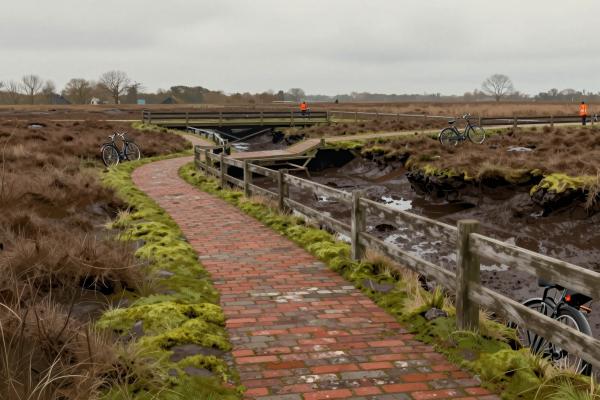
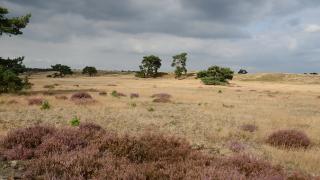
Walk along the boardwalks and trails through the raised bog. Observe the distinct landscape of water, heath, and forest. Look for characteristic plants like sundews and cotton grass.
About 2 hours
-
13:00
Lunch in Baarlo
Travel to the nearby village of Baarlo for a traditional Dutch lunch at a local café or restaurant. Try local specialties or simple Dutch fare.
About 60 min
-
14:30
Hike: Heathland Panorama Trail
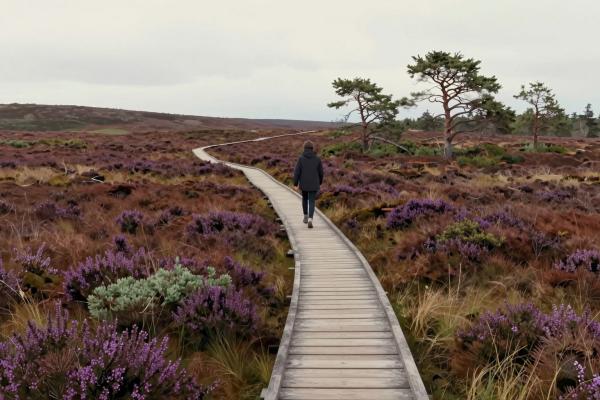
Explore the heathlands that surround the bog. This area offers open views and is home to diverse birdlife. The terrain is relatively flat and suitable for a relaxed afternoon walk.
About 1.5 hours
-
16:30
Sunset Reflection at the Ponds
Find a quiet spot near one of the larger ponds to watch the sunset. The still water reflects the changing light, offering a peaceful end to the first day.
About 60 min
- Meals:
- Lunch at Baarlo Village Center; Dinner at Accommodation or Local Bistro
- Where to stay:
- Stay in a nearby village such as Baarlo, Venray, or Horst to minimize travel time. Look for 'Vakantieparken' (holiday parks) or B&Bs in the region.
- Getting around:
- A car is highly recommended to access the various trailheads and villages around the park. Parking is available at most trail entrances.
-
09:30
-
Day 2: Deep Dive into the Wetlands and Birdlife
Dedicate the second day to exploring the wetland areas and observing the rich birdlife that makes De Groote Peel internationally significant. Focus on the marshlands and smaller ponds.
-
08:00
Early Morning Birdwatching at the Marshlands
Start early to catch the most active bird species. Walk the trails near the marshlands, keeping an eye out for herons, kingfishers, and various warblers. Bring binoculars.
About 2.5 hours
-
10:30
Hike: The Forest and Bog Interface
Transition from the open wetlands to the forested edges of the bog. This trail offers a mix of shaded woodland and open peat areas, showcasing the park's ecological diversity.
About 2 hours
-
12:30
Picnic Lunch by the Water
Pack a picnic and enjoy a meal near one of the scenic ponds. This is a cost-effective and relaxing way to spend lunchtime in nature.
About 60 min
-
14:00
Hike: Extended Bog Circuit
Tackle a longer section of the trail network that circles a larger bog area. The boardwalks provide easy access to the heart of the wetland, allowing for close observation of the unique flora.
About 2 hours
-
16:30
Rest and Reflection
Return to your accommodation or a nearby bench to rest, review photos, and journal about the day's observations.
About 60 min
- Meals:
- Lunch at Picnic Spot in Park; Dinner at Local Restaurant in Venray
- Where to stay:
- Continue staying in the same base to avoid packing/unpacking. Venray offers good dining options.
- Getting around:
- Drive to different trailheads to maximize variety. The park is small enough to cover multiple areas in a day with a car.
-
08:00
-
Day 3: Final Exploration and Cultural Context
Spend the final day exploring a different section of the park, perhaps focusing on the forested areas or a specific trail you missed. Conclude with a visit to a local cultural site or market.
-
09:00
Hike: The Forest Trail
Explore the forested parts of the park. This area is less wet and offers a different perspective on the landscape, with tall pines and beech trees.
About 2 hours
-
11:00
Visit the Peat Extraction Museum (if open) or Historical Sites
Learn more about the human history of the park. Look for informational plaques or visit any nearby small museums in the surrounding villages that detail the peat industry.
About 60 min
-
12:30
Farewell Lunch in Horst
Drive to Horst for a final lunch. The town has a charming center with cafes and restaurants.
About 60 min
-
14:00
Final Walk: The Sunset Trail
Take one last walk on a trail you enjoyed most, or find a new viewpoint to watch the sun go down over the heathlands.
About 1.5 hours
-
16:00
Souvenir Shopping and Departure Prep
Visit local shops for souvenirs or simply relax before heading home.
About 60 min
- Meals:
- Lunch at Horst Town Center; Snack at Local Bakery
- Where to stay:
- Check out and depart.
- Getting around:
- Ensure you have enough time to return your rental car if applicable. The park is well-connected by road.
-
09:00