

2-day itinerary
Nationaal Park De Groote Peel Cultural Heritage
2-day tour of peat extraction heritage in De Groote Peel
- Length
- 2 days · 1 sight
- Pace
- Moderate
- Estimated cost
- €45 per person
- Based in
- Nationaal Park De Groote Peel
Day by day
-
Day 1: Introduction to the Peel: Peat History and Northern Trails
A gentle introduction to the park's unique landscape, focusing on the visible scars of 19th-century peat extraction and the transition from heath to raised bog.
-
09:00
Visitor Center & Orientation
Start at the main entrance or visitor point to understand the park's layout. Learn about the history of peat extraction and the biodiversity of the area. Pick up a trail map.
About 60 min
-
10:15
Hiking the Peat Canal Paths
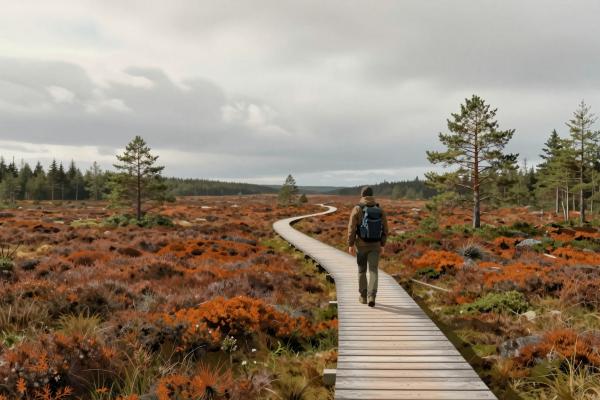
Walk along the historic canals and peat paths. Observe the 'scars' of industrial peat extraction, including deep ditches and old peat pits. Look for water lilies and rare bog plants.
About 2.5 hours
-
13:00
Lunch at Local Cafe
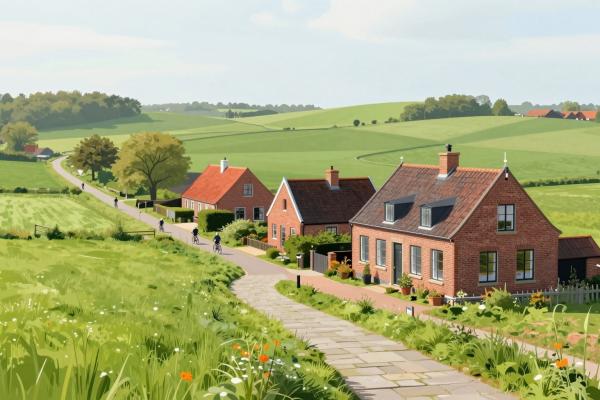
Enjoy a traditional Dutch lunch at a nearby cafe in the surrounding villages (e.g., Heeswijk Dinther or Oirlo) before heading deeper into the park.
About 60 min
-
14:15
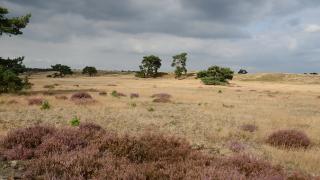
Exploring the Heathlands
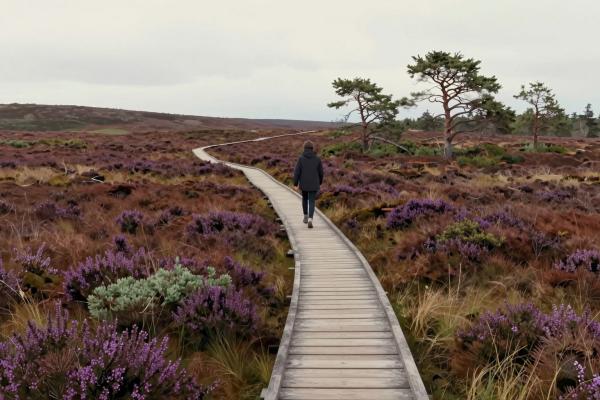
Hike through the heathlands where the landscape is dominated by purple heather (in season) and gorse. This area offers open views and a stark contrast to the boggy areas.
About 2 hours
-
16:30
Sunset over the Ponds
Find a quiet spot near one of the larger ponds to watch the sunset. This is an excellent time for birdwatching as many species return to roost.
About 60 min
- Meals:
- Lunch at Near Park Entrance or Heeswijk Dinther
- Where to stay:
- Stay in nearby villages such as Heeswijk Dinther, Oirschot, or Venray for easy access to the park entrances.
- Getting around:
- A car is highly recommended to reach different trailheads within the park. Parking is available at major trailheads.
-
09:00
-
Day 2: Deep Dive into the Raised Bog and Birdwatching
A more immersive day focusing on the core raised bog areas, rich birdlife, and the ecological significance of the wetlands.
-
08:30
Morning Hike in the Raised Bog
Early morning is best for wildlife. Hike on the boardwalks and trails through the heart of the raised bog. Look for cranes, marsh harriers, and other wetland birds.
About 2 hours
-
10:30
Birdwatching Stop
Take time to observe the rich birdlife. Use binoculars if available. The raised bog is a critical habitat for many species.
About 60 min
-
11:45
Picnic Lunch
Pack a picnic lunch and enjoy it at a designated picnic area or a quiet spot near the trails. Ensure you leave no trace.
About 60 min
-
13:00
Hiking the Forest and Marsh Trails
Explore the mixed forests and marshlands. This section of the park offers a different texture, with tall trees and damp, spongy ground. Observe the interplay between forest and wetland.
About 2.5 hours
-
15:45
Final Reflection and Souvenir Shop
Return to the main visitor center or a central point. Reflect on the day's experiences and visit the souvenir shop for local crafts or books about the Peel.
About 60 min
- Meals:
- Lunch at Picnic Spot near Trail
- Where to stay:
- Check out of accommodation and prepare for departure.
- Getting around:
- Return car to rental location or prepare for public transport if applicable.
-
08:30