In the Netherlands, cycling is not a leisure activity; it is the primary rhythm of daily existence. When you step onto the pavement, you are not merely a pedestrian but an intruder in a high-speed, precision-engineered ecosystem. Local cyclists weave through the network with a confidence that can feel intimidating to the uninitiated, moving with an urgency that demands immediate awareness.
Resist the instinct to claim right of way, even at intersections marked by traffic lights. The hierarchy of the road here is strict: the onus is entirely on the pedestrian to verify safety. Before you take that first step, pause. Look left, look right, and then look left again. Do not rely solely on eye contact to guarantee safety; a cyclist’s attention span is fleeting, often focused on the road ahead rather than the eyes of a pedestrian. A simple glance is insufficient; you must actively check both directions, scanning for bikes that may be filtering through gaps in traffic. These riders are not obstacles to be avoided but integral components of the urban fabric, moving with a speed that demands your absolute respect.
The Canals’ Quiet Allure
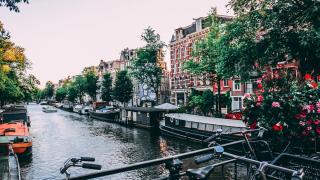
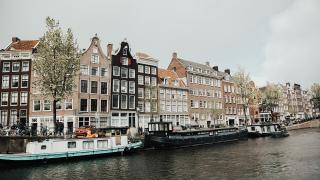
Amsterdam’s waterways are the soul of the city, yet they demand a respectful distance. The average temperature of the canals hovers around 10°C, turning an accidental splash from a mere inconvenience into a potential medical crisis. The cold is immediate and overwhelming, capable of inducing shock in seconds.
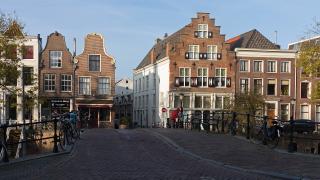
Bridges often feature uneven cobblestones or smooth stone edges that turn treacherous under wet or icy conditions. Lean over railings at your own risk; the drop is steep, and the surface is rarely stable. If you slip, the icy water will overwhelm your senses before you have time to react. Always keep your hands free to maintain balance, especially when navigating narrow bridges shared with cyclists. Watch your step carefully, as pedestrians and bikes compete for space in crowded tourist zones. Prioritize your footing over speed, and let these simple precautions ensure your visit remains a joyful exploration rather than a hazardous ordeal.
The Cyclist’s Right of Way
That sudden flash of red taillights is not a warning to slow down; it is a signal to stop. In the Netherlands, cyclists command the road, and their dedicated lanes—often physically separated by curbs or distinct paint—are not optional suggestions but mandatory highways. You must yield to them at every intersection and zebra crossing, treating these paths with the same reverence as a highway lane for cars.
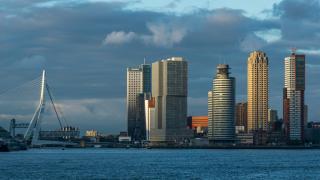
Before stepping onto the pavement, scan the horizon in both directions. A simple glance might miss a silent rider approaching from the blind spot. Eye contact is your best defense in bustling hubs like Amsterdam or Rotterdam; a nod confirms you have seen each other, turning a potential collision into a polite exchange. Residential streets demand extra caution, as children may weave through bike lanes with unpredictable energy. For drivers, parking across a bike path is illegal and dangerous, blocking the flow of traffic that relies on predictability. Patience is the currency of Dutch streets; by slowing down and respecting the lanes, you ensure a safe experience for everyone.
The Unpredictable Weather
Dutch skies are notorious for their volatility, shifting from bright blue to storm-grey in the blink of an eye. This sudden transition can catch even the most seasoned travelers off guard, especially when pedaling across wet, slippery cobblestones. A brief shower can quickly turn a pleasant afternoon into a chilling, soaked experience if you are unprepared.
Layering is your best defense against these rapid changes. Start with a breathable base, add a warm mid-layer, and top it off with a windproof shell. This system allows you to shed or add layers as the temperature fluctuates, keeping you comfortable without the bulk of heavy winter gear. Footwear is equally critical; wear shoes that can handle puddles, which form unexpectedly in parks like Vondelpark after a rainstorm. Keep a compact, sturdy umbrella in your bag, as strong gusts often flip flimsy models inside out. Check the local forecast before heading out; this small habit of preparation ensures you can enjoy the outdoors with confidence, secure in the knowledge that you are ready for whatever the sky decides to throw at you.