
Echoes of the Orange Prince: A Scholarly Awakening
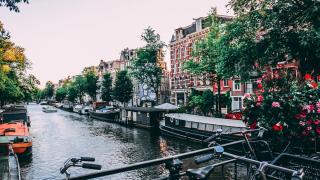
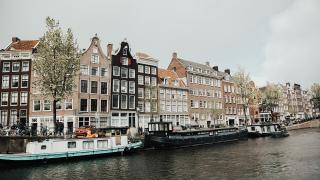
Leiden University did not rise from the earth; it was forged in fire. In 1575, William of Orange established this institution as a permanent rebuttal to the Spanish siege, honoring the city’s refusal to surrender. This founding act transformed a moment of desperate survival into an enduring intellectual legacy. Today, the Oude Rijn flows past the campus, mirroring the current of knowledge that sustains it. The water that once carried supplies to starving citizens now reflects the faces of modern researchers, linking the grit of the past to the rigor of the present.
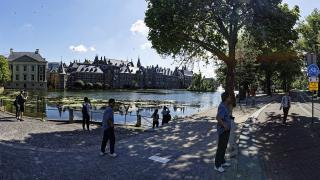
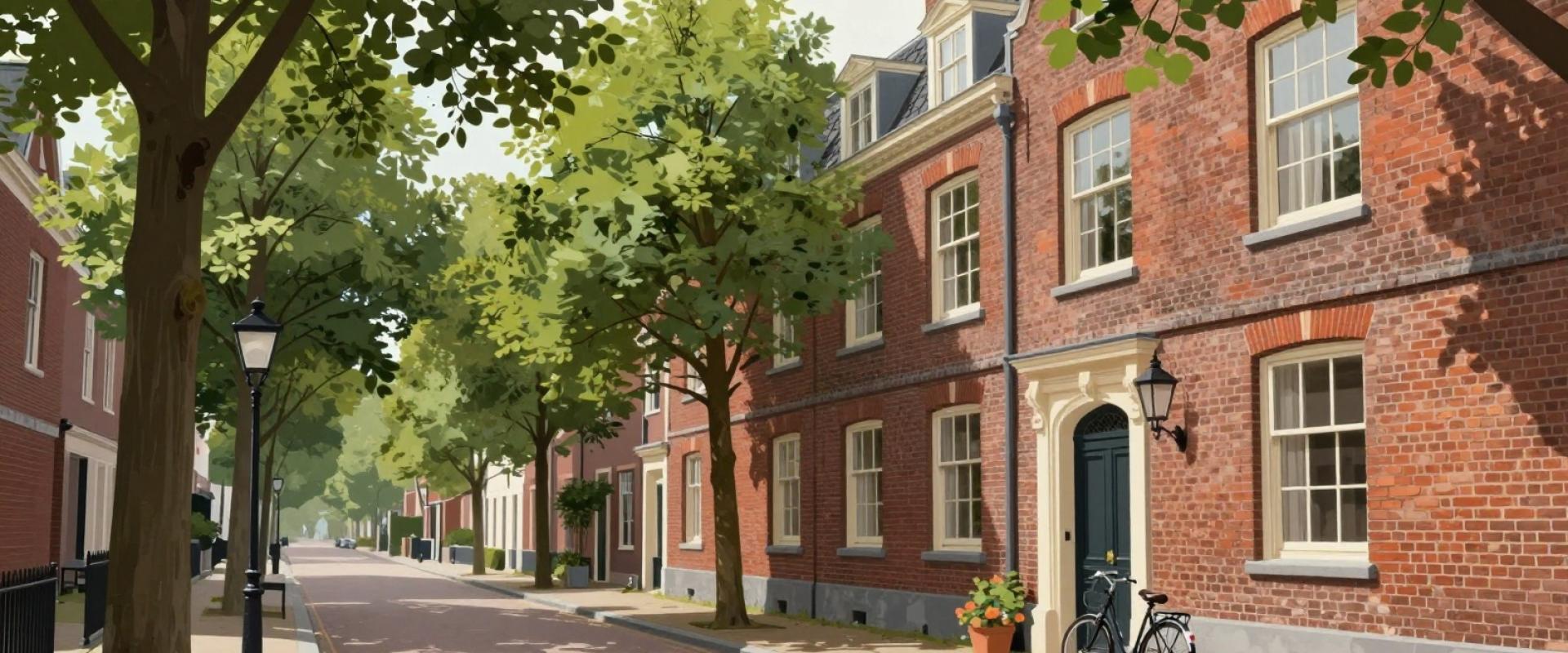
The architecture here rejects romanticism in favor of pragmatic strength. These are not crumbling ruins meant to evoke nostalgia, but sturdy structures that speak of a newly independent state asserting its identity. Inside, the atmosphere is charged with a distinct energy—a mixture of old paper, dust, and relentless ambition. Students move through corridors where the first lectures were held in the old Latin School, continuing a tradition defined by hard work rather than hype. There is no haze here, only the quiet dignity of a community built on the radical notion that freedom of thought is essential to survival.
Walking through these halls, you feel the weight of centuries without the burden of stagnation. Knowledge flows here like the canal water, connecting ancient struggles to modern inquiry. The buildings do not whisper; they stand firm, echoing a proud, independent spirit that has refused to be silenced for over four centuries.
Botanical Whispers and Baroque Grandeur
In 1590, Leiden’s university planted the seeds of its scientific reputation with the establishment of the Hortus Botanicus. This pioneering space marked the precise moment where academic inquiry met cultivated nature. Today, that historic garden houses ancient specimens that have witnessed centuries of academic evolution, standing as living archives against the backdrop of Baroque grandeur. The intricate stone carvings of the surrounding university buildings speak to an era of intellectual gravity, creating a visual dialogue between the rigid geometry of the flowerbeds and the structured curiosity of early Dutch science.
As you move between the glasshouses and the old lecture halls, the air changes. It carries the damp, earthy scent of the greenhouse, mixing with the dry, mineral smell of aged limestone. This juxtaposition creates a sensory rhythm that is both calming and stimulating. You do not just observe history here; you inhale it. The fragrant jasmine and the solemnity of the university’s founding principles blend into an atmosphere where the quiet rustle of leaves feels like a conversation with the past.
This oldest university district reveals a profound dialogue between nature and intellect. The contrast between living plants and stone architecture offers a unique perspective on Leiden’s enduring legacy. It is a place where the atmosphere remains studious yet alive with greenery, illustrating how Dutch academic tradition intertwines with scientific curiosity. Exploring these grounds allows you to step out of the modern rush and into a space where time moves at the pace of growth.
Ink, Paper, and Canal-Side Reflections
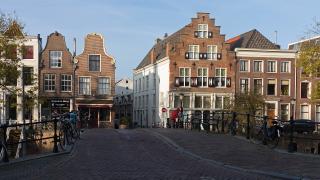
Narrow cobblestones wind between buildings that have watched centuries pass, anchoring the academic roots of Leiden deep within the city’s fabric. Here, the legacy of Hugo Grotius, who taught here before shaping the foundations of international law, lingers in the air. It smells of old paper and damp stone, a scent that invites you to slow down. You might find yourself wandering into a quiet shop where first editions of Erasmus’s works sit on shelves, silent testaments to a city that once stood firm against the Spanish siege in 1574. That stubborn resilience survives in the quiet dignity of the current scholarly atmosphere.
Relaxing by the Oude Rijn offers a stark contrast to the frantic energy of major tourist hubs. There is no grand spectacle here, just the gentle lapping of water against brickwork. Students in tweed jackets hurry past, notebooks in hand, while others sit on benches, watching the light shift across the water. It is a place for thinking, not just seeing. The calm is grounded in real history rather than romanticized clichés, offering a sense of peace that feels earned.
Leaving Leiden’s intellectual quiet behind allows you to appreciate its stillness more fully. While the nearby Keukenhof gardens in Lisse offer a different kind of beauty, twenty kilometers away, the true magic of Leiden lies in its introspective pace. You leave with a sense of calm, carrying the weight and wonder of a city that proved that ideas, like water, can cut through the hardest stone.