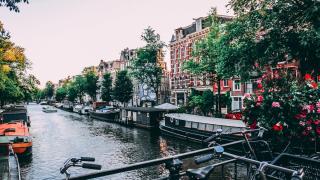
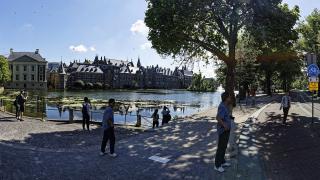
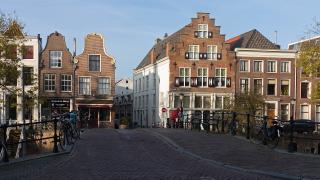
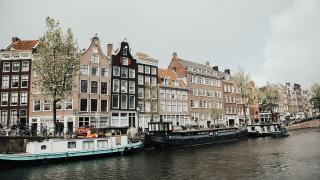

A canal cruise is the most popular paid activity in Amsterdam, and for good reason: the canal ring, a UNESCO World Heritage site since 2010, was designed to be seen from the water. But the options range from large glass-roofed tour boats to small open boats and self-drive rentals, and they differ a lot in comfort, value and noise. This guide explains the main types, what you are paying for, and the rules and etiquette that keep the canals pleasant for everyone.
The Main Types of Canal Cruise
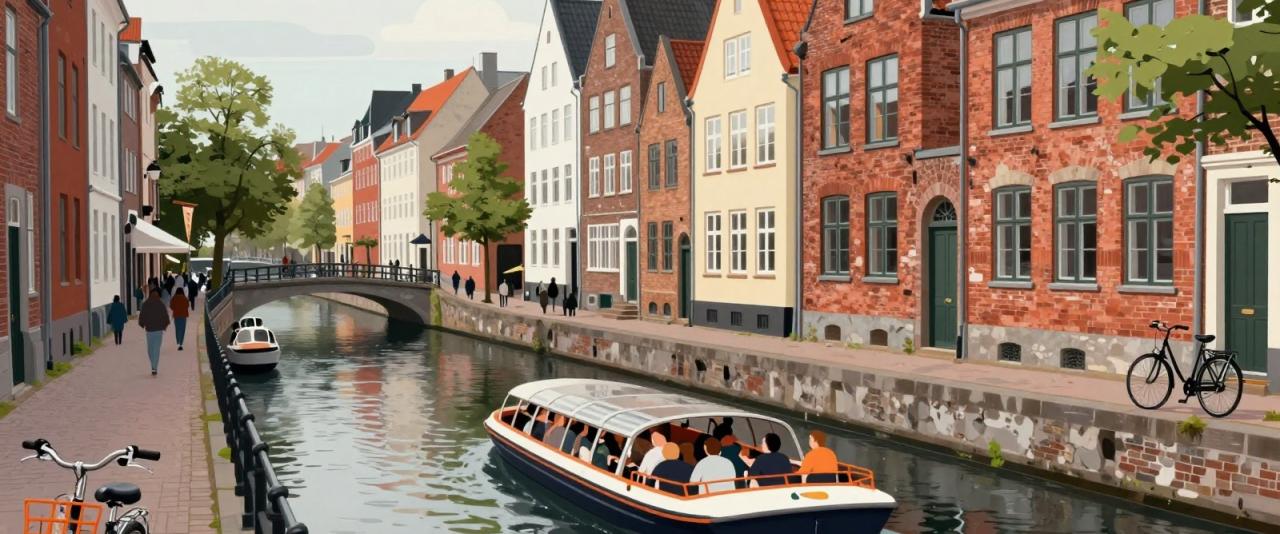
- Large covered tour boats. The classic option: long glass-roofed boats with recorded commentary in several languages, departing from the area around Centraal Station, the Damrak and the Rijksmuseum. They run all year, are weatherproof and are usually the cheapest per person. The trade-off is less flexibility, closed windows and a fixed route along the widest canals.
- Small open boats. Smaller, open-top boats with a live guide or skipper carry fewer passengers and can reach narrower canals. They feel more personal and are better for photos, but they are exposed to rain and cold and usually cost more.
- Hop-on hop-off boats. These follow fixed lines with stops near museums. They make sense if you want transport between sights, less so if you just want a scenic cruise.
- Dinner and evening cruises. Food or drinks on board. Value depends heavily on the menu; compare what is actually included.
- Self-drive electric boats. Rentals that require no licence for small boats. They give freedom but come with responsibility for knowing the rules on the water.
How to Judge Value
Rather than chasing the lowest headline price, compare what is included:
- Duration: most standard cruises last about an hour. Shorter trips may skip the prettiest stretches.
- Route: the quieter canals, such as parts of the Jordaan and the area around the Brouwersgracht, are only accessible to smaller boats.
- Commentary: a live guide often gives more than a recording, but quality varies.
- Group size: a small boat with a dozen people is a very different experience from a large boat with many more.
- Extras: drinks, snacks and blankets are sometimes included and sometimes charged separately.
Read recent reviews and book directly through the operator's own site or a reputable platform. Be wary of street sellers offering tickets for unnamed boats.
The Per-Passenger Boat Levy
Amsterdam charges an entertainment levy (vermakelijkhedenretributie) on commercial boat trips. Under the city's regulation for 2026, the rate for motorised, moving vessels such as canal tour boats is 2.70 euros per passenger, and 0.80 euros for stationary or non-motorised vessels. Legally the operator pays it, but operators usually pass it on in the ticket price, so it may appear as a separate line at checkout or simply be included. It is separate from the city's tourist tax on overnight stays. The city has said it is studying broadening this levy, so expect changes in future years.
Best Times to Go
- Early morning or late afternoon cruises are less crowded than midday departures in summer.
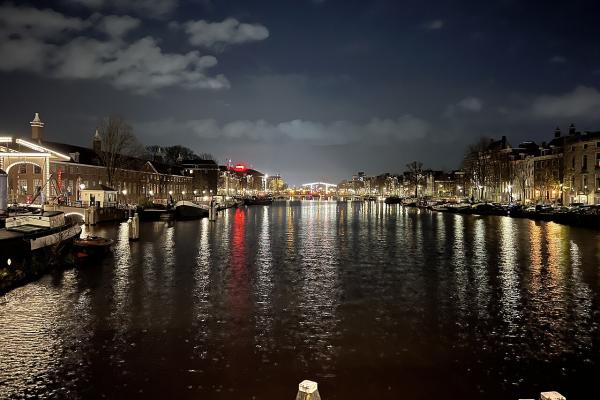
- Evening cruises show the bridges lit up, and many of the canal bridges are illuminated after dark.
- Winter is a good time for a covered boat: no queues, and the canals are atmospheric in low light. Small open boats are less comfortable in cold or wet weather.
- Avoid the busiest holiday days if you want a calm trip. King's Day (27 April) turns the canals into a floating party, and the Pride Canal Parade in early August closes parts of the water to normal traffic.
Etiquette on Board and on the Water
- Keep noise down. People live in the canal houses and houseboats. Loud music from boats is a nuisance, and the city has rules on amplified sound on the water.
- Do not throw anything overboard, including cigarette ends and drinks cans.
- Stay seated while the boat passes under low bridges, and keep hands inside the boat near walls and other vessels.
- Respect houseboats. Do not touch or tie up to them, and do not photograph into people's homes.
- Tip if the service was good. Tipping a live guide or skipper is appreciated but not required.
Rules for Self-Drive Boats
If you rent a boat yourself, the operator should brief you before departure. Key points: keep to the right, give way to larger commercial boats, observe the speed limit (6 km/h on the inner canals), and never drink and drive, because the alcohol limits that apply on the road also apply on the water. Some canals are one-way or closed to rental boats, so follow the map you are given.