

Eating out in the Netherlands, especially in Amsterdam, can be expensive, and restaurant prices have risen noticeably in recent years. But Dutch food culture also has plenty of cheap, filling options that locals use every day. The trick is to eat the way Dutch people do: a simple lunch, street food in between, and a sit-down dinner only when it is worth it.
Eat Lunch the Dutch Way
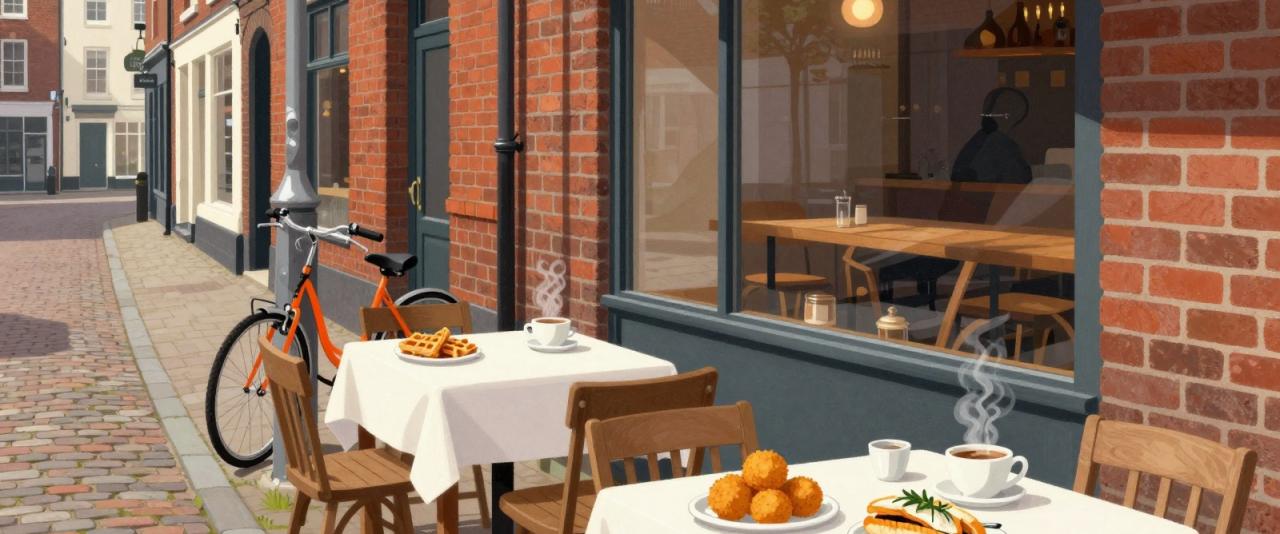
Lunch in the Netherlands is traditionally light and bread-based: a sandwich (broodje), soup, or a plate of bread with cheese and cold cuts. Bakeries, sandwich shops and lunchrooms sell broodjes all over every town, and they cost far less than a restaurant meal. A broodje kroket, a soft roll with a deep-fried ragout croquette, is a classic quick lunch.
Many cafés offer a dish of the day (dagschotel) or a lunch menu that is cheaper than the same kitchen's evening menu. If you want one proper hot meal, having it at lunchtime is often the cheaper choice.
Street Food and Snack Bars
Dutch snack food is cheap, filling and everywhere:
- Patat (fries) from a snackbar or frites stand, with mayonnaise or a range of sauces.
- Kroketten and frikandellen from snack bars, including the wall-mounted automats where you pay and open a small hatch.
- Herring and kibbeling from fish stalls. Raw herring with onions and kibbeling (battered fried pieces of white fish) are typical market and street-corner food.
- Stroopwafels fresh from market stalls.
- Poffertjes, small fluffy pancakes, at markets and in dedicated shops.
Surinamese, Indonesian and Turkish Takeaway
The Netherlands has large Surinamese, Indonesian and Turkish communities, and their takeaways are among the best-value meals in the country.
- Surinamese shops sell roti with curried chicken and potato, and filled rolls such as broodje pom.
- Indonesian takeaways (often called toko) serve nasi or bami with meat and vegetables. A full rijsttafel in a restaurant is a feast, but a single plate such as nasi rames gives a similar range of flavours for much less.
- Turkish and Middle Eastern places serve döner, falafel and grilled dishes, often in generous portions.
Portions are usually generous, and many places sell meals to take away, which works well for an evening in your accommodation or a park. These are most common in residential neighbourhoods rather than tourist centres, which is another reason to eat a few streets away from the main sights.
Markets and Supermarkets
Most towns hold a weekly market, and big cities have daily ones, such as the Albert Cuypmarkt in Amsterdam. Markets sell cheese, fruit, fish and snacks, and are a good place to assemble a picnic.
Supermarkets are the cheapest option of all. Albert Heijn, Jumbo, Lidl, Aldi and Dirk are found across the country, and many stations have small grab-and-go supermarket branches. Ready-made salads, sandwiches, fruit, yoghurt and Dutch cheese make an easy lunch in a park. Some supermarkets have limited acceptance of foreign credit cards, so a contactless debit card or phone payment is the safest option.
Sit-Down Restaurants for Less
- Eetcafés are casual café-restaurants serving simple dishes such as schnitzel, satay or soup at lower prices than formal restaurants.
- Eat early. Dutch people tend to have dinner around 18:00, and some places offer early or set menus.
- Avoid the most touristy streets. Restaurants on the busiest squares and canal fronts often charge more for the setting.
- Share starters and order main dishes rather than multiple courses.
Drinks, Water and Tipping
- Tap water is safe and good throughout the Netherlands. Ask for kraanwater; many places serve it on request, though some charge for it or expect you to order another drink.
- Coffee and beer are cheaper in neighbourhood cafés than on main squares.
- Tipping is not obligatory. Service is included in menu prices, and Dutch diners often round up or leave a small tip for good service rather than a fixed percentage.
A Simple Budget Day
A cheap but satisfying day might be: breakfast from a bakery, a broodje or market snack for lunch, a picnic in a park with supermarket supplies, and dinner at a Surinamese or Indonesian takeaway or a neighbourhood eetcafé. It keeps costs low while showing you more of everyday Dutch food than a tourist restaurant would.