







- Where
- Kinderdijk, Randstad
- Directions
- Directions
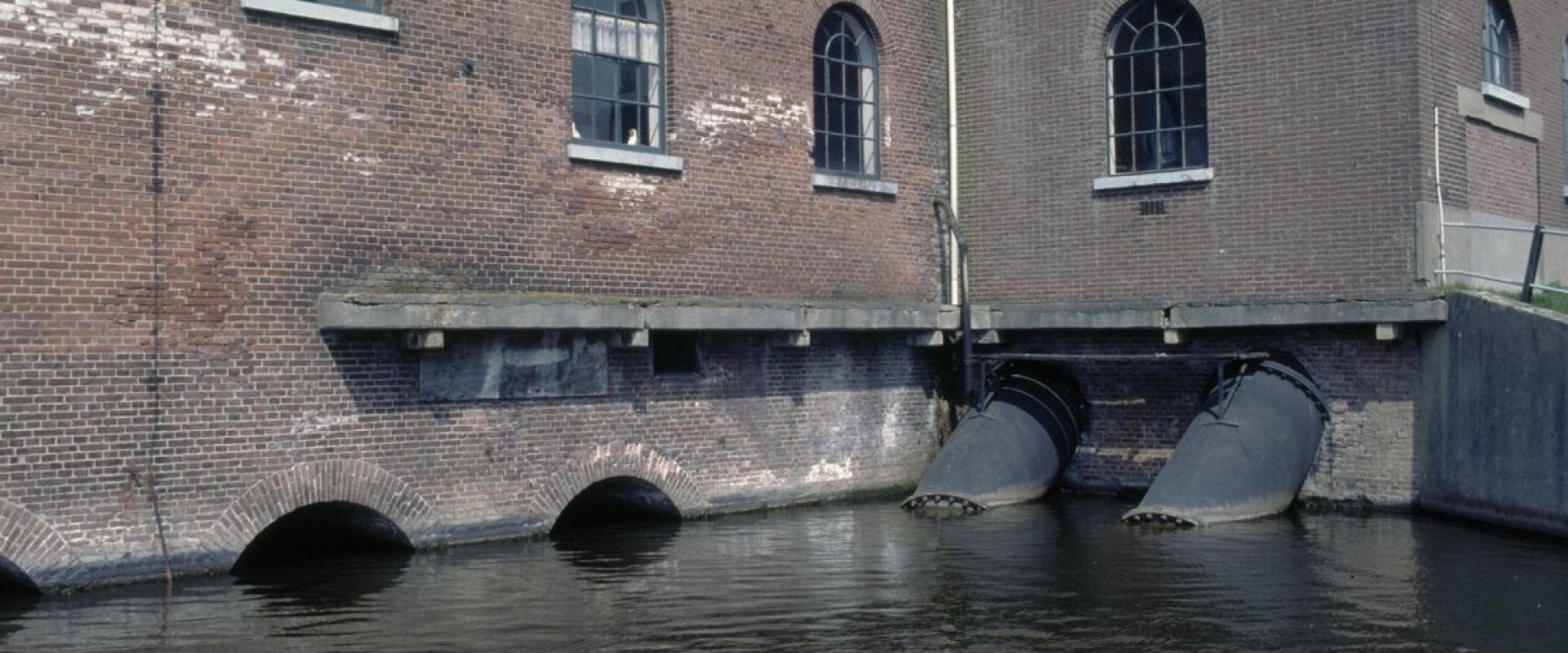
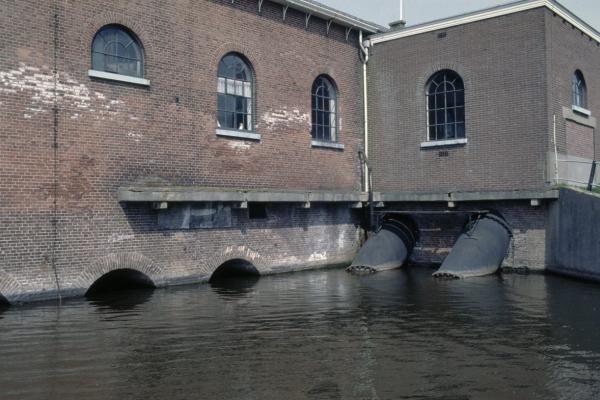
The Wisboom Pumping Station is one of the less photographed parts of Kinderdijk, the famous group of windmills east of Rotterdam, but it tells an important part of the story. The windmills are the image on the postcards, yet the polder was not drained by wind alone for long. In the nineteenth century, steam power arrived, and pumping stations such as Wisboom took over much of the work, lifting water from the low fields into the higher channels and out towards the river. A visit to the station shows what came next in the Dutch fight against water.
The region has to be understood in terms of its levels. The Alblasserwaard polder lies below sea level, surrounded by rivers, and rain and seepage must be pumped out constantly to keep the land dry. The system works in stages: the water is lifted from the fields into a network of ditches, then raised again into a reservoir called the boezem, from which it can flow out to the river at low tide. The mills of Kinderdijk performed the first stage in the eighteenth century, and the later pumping stations did the work with engines. Over time the steam engines gave way to diesel and electric pumps, which are still used in modern form today.
The station's sturdy brick building contrasts with the wooden mills nearby, and inside it has been turned into a museum that explains the technology. Displays show how pumping worked, how steam replaced wind and what the work of the engineers was like, and original equipment gives a sense of the size and noise of the machines. Information is available in several languages by audio guide and panels, and the visit is included in the general ticket for the Kinderdijk site. It is a good first stop, because it explains the problem that the mills were built to solve.
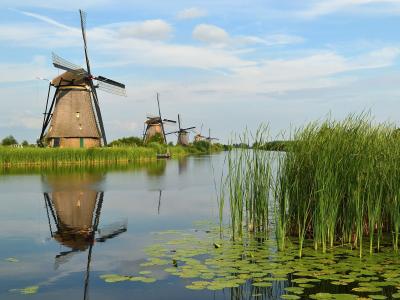
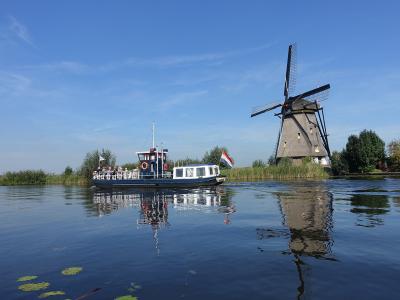
The station sits in the middle of the site, so it is convenient to include in a walk or bicycle ride. From there it is easy to reach the museum mills, where you can see inside a miller's home, the boat tour along the channels and the long line of mills along the Nederwaard and the Overwaard. Kinderdijk has been a UNESCO World Heritage site since 1997, and the audio tours on the app are a good way to learn more.
The station suits families, engineering fans and anyone curious about how the Dutch have kept their land dry. Allow thirty to forty-five minutes, and visit early in the day to avoid crowds.
Categories
More photos coming soon
Nearby Attractions
Other places to visit in Kinderdijk

Audio Tours (Kinderdijk app)
Audio tours of Kinderdijk’s historic windmills and waterways
Cultural Experiences · Guided Tours
Museum Mills
UNESCO site with 19 historic Dutch windmills
History & Heritage · History Museums
Tour Boat
Boat tours through UNESCO-listed windmills
Coastal & Maritime · Boat Tours
Questions people ask
Quick Facts
Best Time to Visit
May to September offers mild weather, lush scenery, and ideal conditions for walking, cycling, and enjoying Kinderdijk’s windmills and polder landscape.