
Fortifications of Stevensweert
17th-century Spanish fortifications on Meuse island
- Where
- Stevensweert, Limburg
- Directions
- Directions
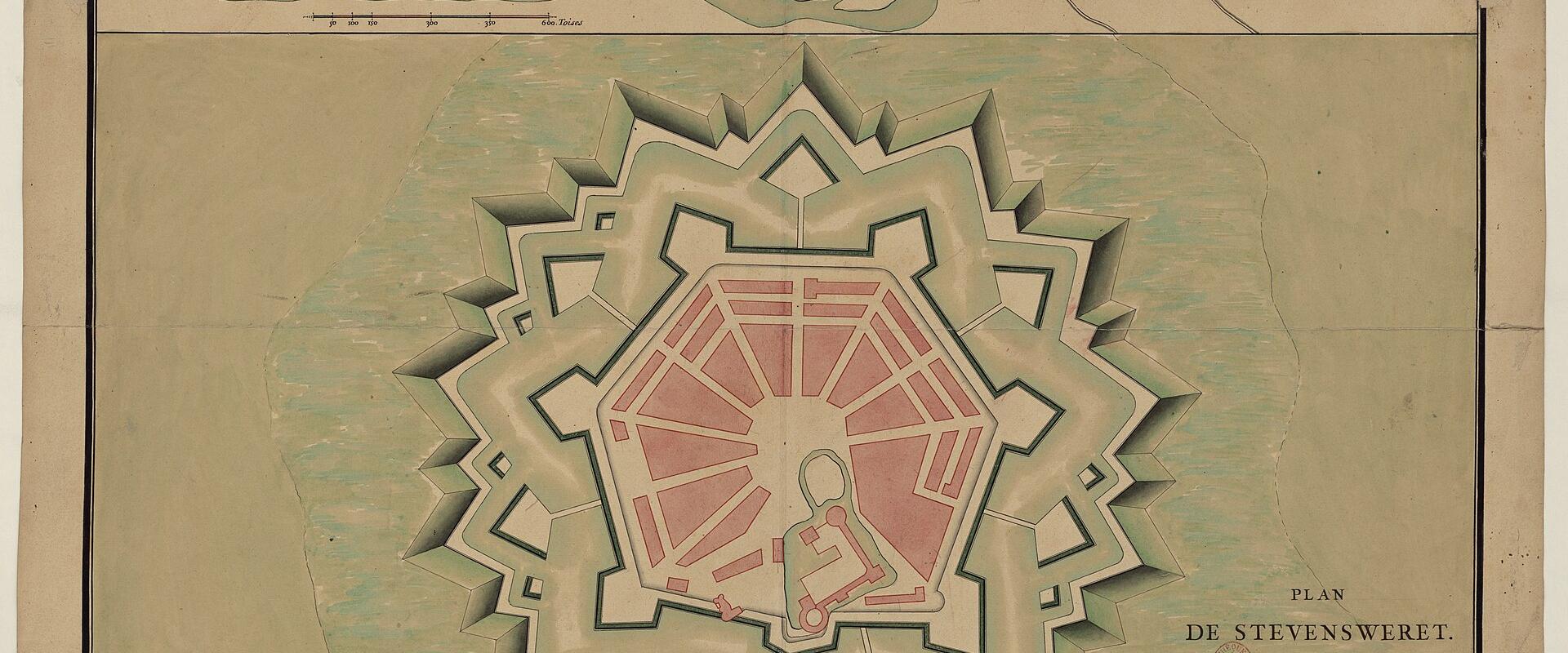
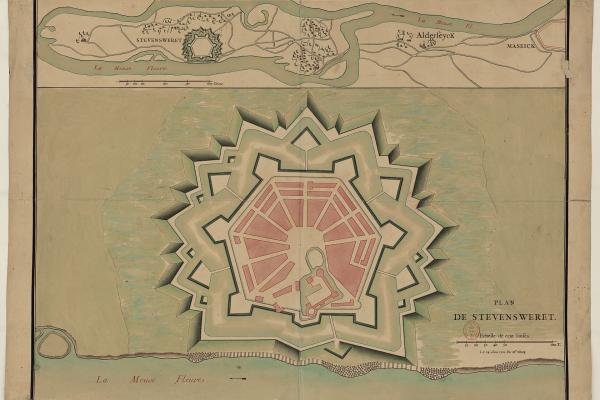
Stevensweert is a small village on the Meuse, in the Dutch province of Limburg, and its layout is the legacy of a fortress. In the seventeenth century, during the Eighty Years’ War, the Spanish authorities decided to turn the settlement on an island in the river into a strong fortified town, and the plan was carried out from 1633. The star-shaped system of earthworks and bastions was designed to guard the river crossing and to defend the border of the Spanish Netherlands against Dutch and other enemies.
The fortress was planned according to the latest military engineering ideas of the time. Instead of tall medieval walls, it used low, thick ramparts of earth faced with brick, arranged in a geometric pattern of angular bastions and ditches filled with water. Such a design allowed defenders to fire along the walls in every direction and was hard for attackers to breach with cannon. Inside the defences the streets were laid out in a regular pattern, radiating from a central open space like the spokes of a wheel.
The outline of this design is still clear today. Walking around the village, you can follow remnants of the ramparts and the moats, and the radial street plan gives the place a very different feel from the average Dutch village. The fortress changed hands during later wars and was gradually dismantled, but enough survives for the pattern to be recognised, and the village is protected as a historic site. Information boards and walking routes explain the history.
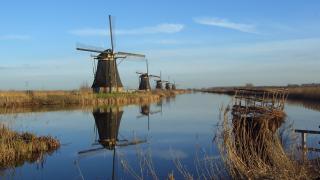
The village has other small features that add to the visit. The Hompesche Mill, a windmill, is a local landmark, and the old village pump is an example of the everyday heritage that survives in such places. The surrounding area is part of the Meuse valley, with gravel pits turned into lakes and nature areas, and it is excellent for cycling and walking. The wide river and its shipping provide a lively backdrop.
The fortifications suit history lovers, walkers and those interested in military architecture. There is no entrance fee, as the site is a village, and a visit can be completed in an hour or two. Combine it with a cycle ride along the river and a stop at a local cafe, and be aware that facilities in the village are limited. The Spaniards who built it chose the Meuse River island deliberately. Stevensweert’s calm today contrasts with that martial past, and Strolling the earthworks is free.
Categories
More photos coming soon
Nearby Attractions
Other places to visit in Stevensweert


Questions people ask
Quick Facts
Best Time to Visit
May to September offers mild weather, lush scenery, and ideal conditions for walking, cycling, and exploring Stevensweert’s historic and riverside attractions.