







- Where
- Hoenderloo, Veluwe
- Directions
- Directions
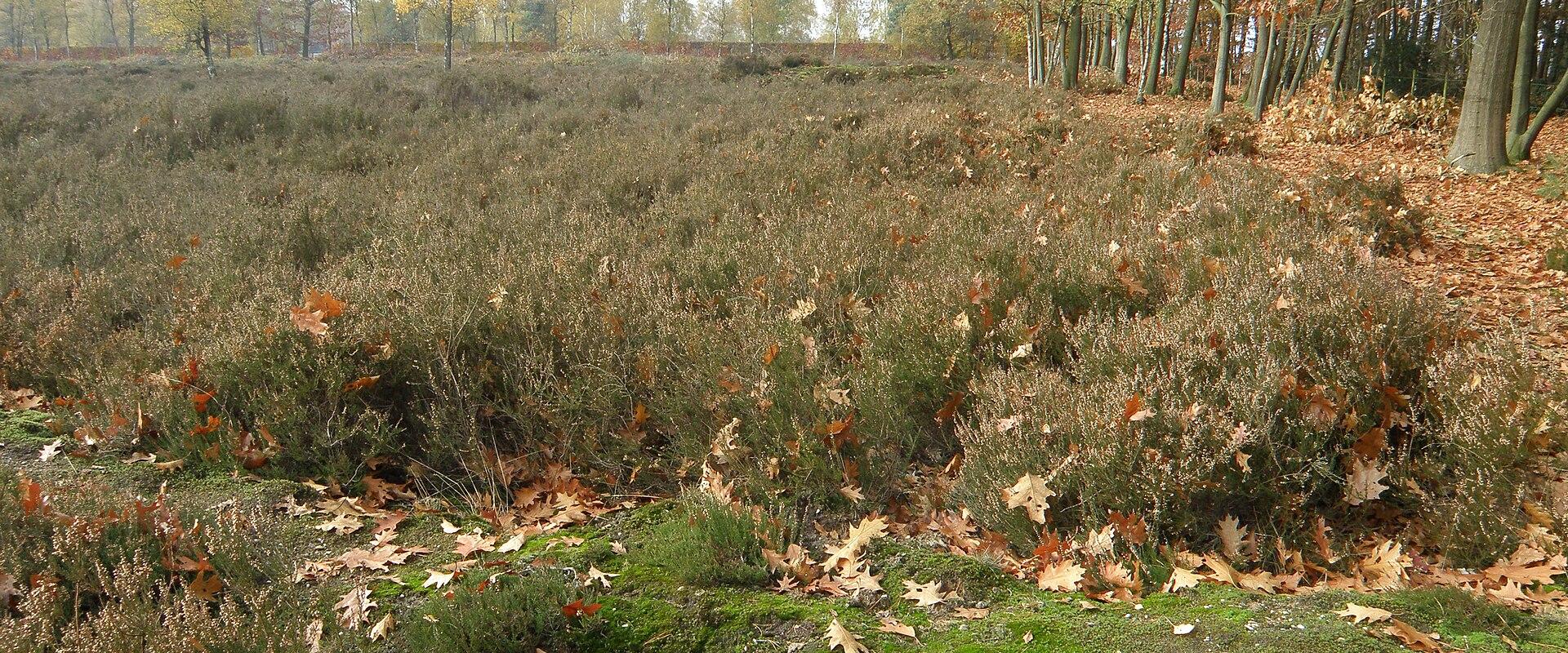
The so-called Celtic fields of the Veluwe are among the oldest traces of farming in the Dutch landscape, and they are best understood as a pattern in the ground rather than a monument. They are the remains of small, roughly square plots, each bordered by low banks of earth, that were laid out by Iron Age farmers in the centuries before and around the beginning of our era. The banks are only a few tens of centimetres high now, but under heather or forest they can still be made out, and from the air they form a distinctive chequerboard. In Dutch they are called raatakkers, or honeycomb fields.
The name is misleading. Archaeologists in Britain coined the term Celtic fields in the early twentieth century, and it stuck, but there is no reason to think the farmers who worked these plots called themselves Celts, and the system is found across much of north-west Europe. A typical plot measures a few dozen metres on each side. The farmers cultivated cereals such as barley and spelt, and later also rye, on a rotation, and when the soil on one plot was exhausted they moved to another. Manure from animals kept in nearby farmsteads was spread on the fields, and over the generations this built up the soil.
On the site you will find a reconstruction of an Iron Age farmstead, with a farmhouse and storage buildings built using archaeological findings. Information boards explain how people lived and worked, what they ate and how the fields were managed. Reconstructions of this kind are always partly guesswork, since only post holes and traces of walls survive, but they give a good idea of the scale and materials, with timber frames, thatched roofs and walls of wattle and clay.
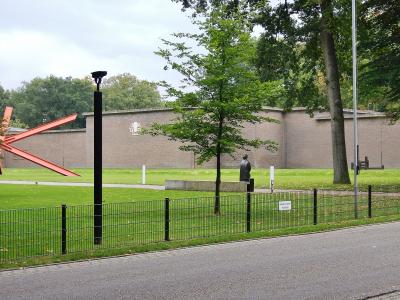
The setting is the Veluwe, the large forested and heathland area in Gelderland, and the fields lie in a quiet part of it, reached on foot or by bicycle along paths through forest, heath and meadow. The nearby Hoge Veluwe National Park and the Kröller Müller Museum, with its important collection of paintings by Vincent van Gogh, are a short ride away, which makes it easy to combine ancient history with art and nature. Hoenderloo and Otterlo are the nearest villages, and cycling routes start there.
The site suits history lovers, families with children who enjoy reconstructions and walkers who like open landscapes. It is freely accessible, there is little shelter, and the wind can be strong, so bring a jacket and water.
Categories
More photos coming soon

Questions people ask
Quick Facts
Best Time to Visit
Mid-May to mid-September offers mild weather, blooming heath, and ideal conditions for hiking, cycling, and exploring Hoenderloo’s natural and cultural attractions.