







- Admission
- Free entry
- Hours
- 9:30 AM – 6:00 PM
- Where
- Amsterdam, Holland
- Directions
- Directions
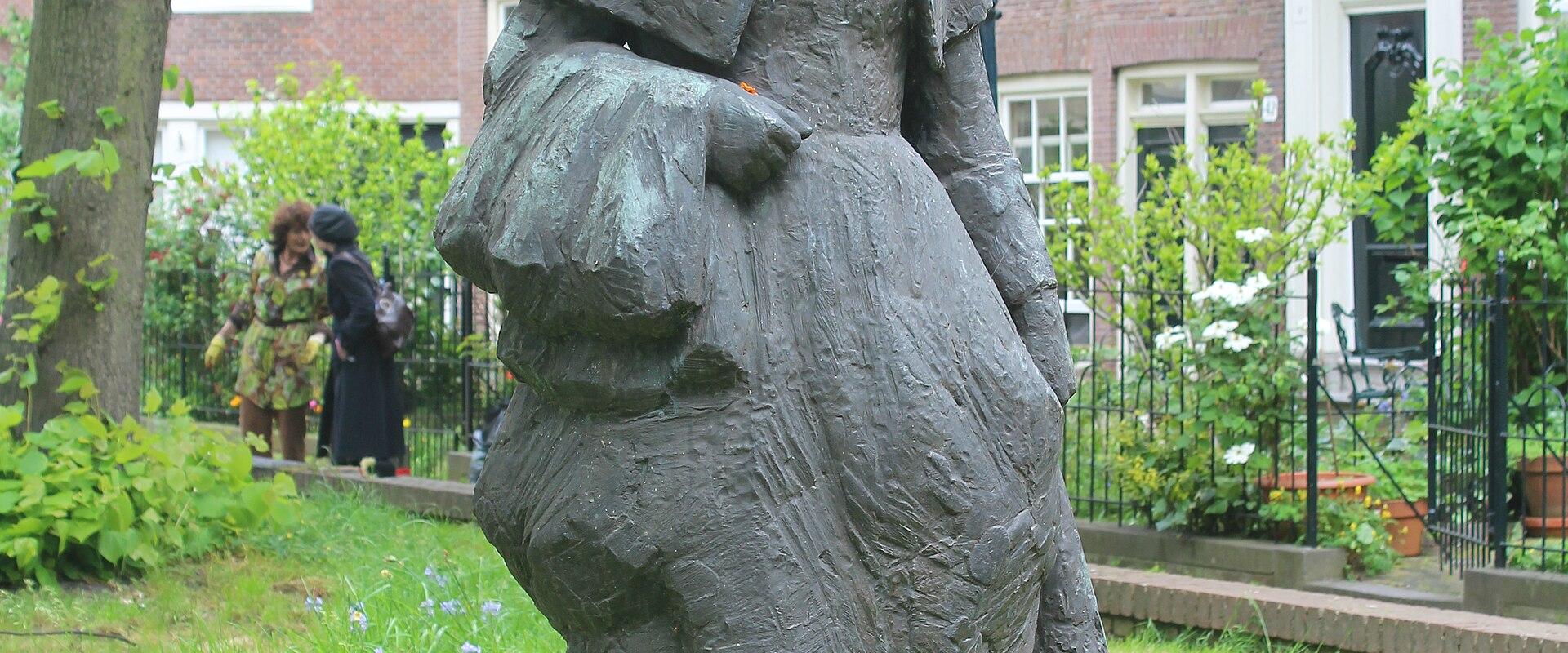
The Begijnhof is a courtyard of old houses in the middle of Amsterdam, a few steps from the shops of the Kalverstraat and the square called the Spui, yet it feels like a different world. It was founded in the Middle Ages as a beguinage, a settlement for beguines, women who lived a religious life without taking the formal vows of a nun. Beguines supported themselves by work such as nursing, teaching and weaving, lived in their own houses around a shared garden and shared a chapel. The movement was common in the towns of the Low Countries from the thirteenth century, and the Amsterdam beguinage dates from around the fourteenth century. The last beguine here, Cornelia Arens, died in 1971.
The courtyard visitors see today dates mostly from the seventeenth and eighteenth centuries, after fires destroyed much of the earlier building, but it still follows the medieval plan, with a lawn in the middle, small gardens and rows of narrow houses with decorated gables. New wooden houses were banned in the city after repeated fires, in the early sixteenth century, and very few survive. One of them, number 34, is thought to be the oldest house in Amsterdam, dating from around 1470, with a wooden frontage. Another, known as Het Houten Huys, is a rare example of a timber house of the type once common in the city.
Two churches stand in the courtyard and illustrate the religious history of the city. The English Reformed Church, built in the early seventeenth century and used by the English and Scottish community in Amsterdam, stands in the middle of the garden, and its pulpit panels were reputedly designed by Piet Mondrian. Opposite, hidden behind the facade of an ordinary house, is a Catholic chapel from the seventeenth century, built when Catholics could not worship openly after the Reformation and had to use clandestine churches. The contrast between the two buildings tells much about the tolerance and its limits in the Dutch Republic.
The houses are still lived in. The Begijnhof is a residential community, whose occupants are single women, and visitors are asked to respect their privacy, keep noise down and not photograph windows or enter private doorways. The courtyard is open during the day and free to enter, and there are signs reminding people of the rules. Because of the pressure of tourism, some access has been limited, and a quiet early visit is best.
The courtyard suits history lovers and anyone looking for a quiet moment. A visit takes half an hour. The entrance on the Spui is easy to miss, and the gate from the Kalverstraat is another way in. The Amsterdam Museum is just next door.
Categories
More photos coming soon
Hours & Fees
- Open
- 9:30 AM – 6:00 PM
- Admission
- Free entry
Hours and prices change, especially out of season. Check with the venue before you go.
Nearby Attractions
Other places to visit in Amsterdam

9 Straatjes
Historic canalside streets with shops and cafés
Urban Exploration · City Centers

A'DAM Lookout
Observation deck with 100-meter swing
From €8.50 Activities & Adventure · Promenades
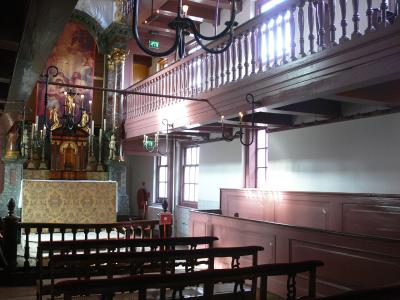
Amstelkring Museum
17th-century canal house with hidden attic church
Cultural Experiences · History & Heritage

Amsterdam Museum
Amsterdam's history museum in a 17th-century orphanage
Art Museums · History Museums
Questions people ask
Quick Facts
Best Time to Visit
April to May and September to early October offer mild weather, blooming tulips, and fewer crowds, ideal for exploring Amsterdam’s canals and museums.