







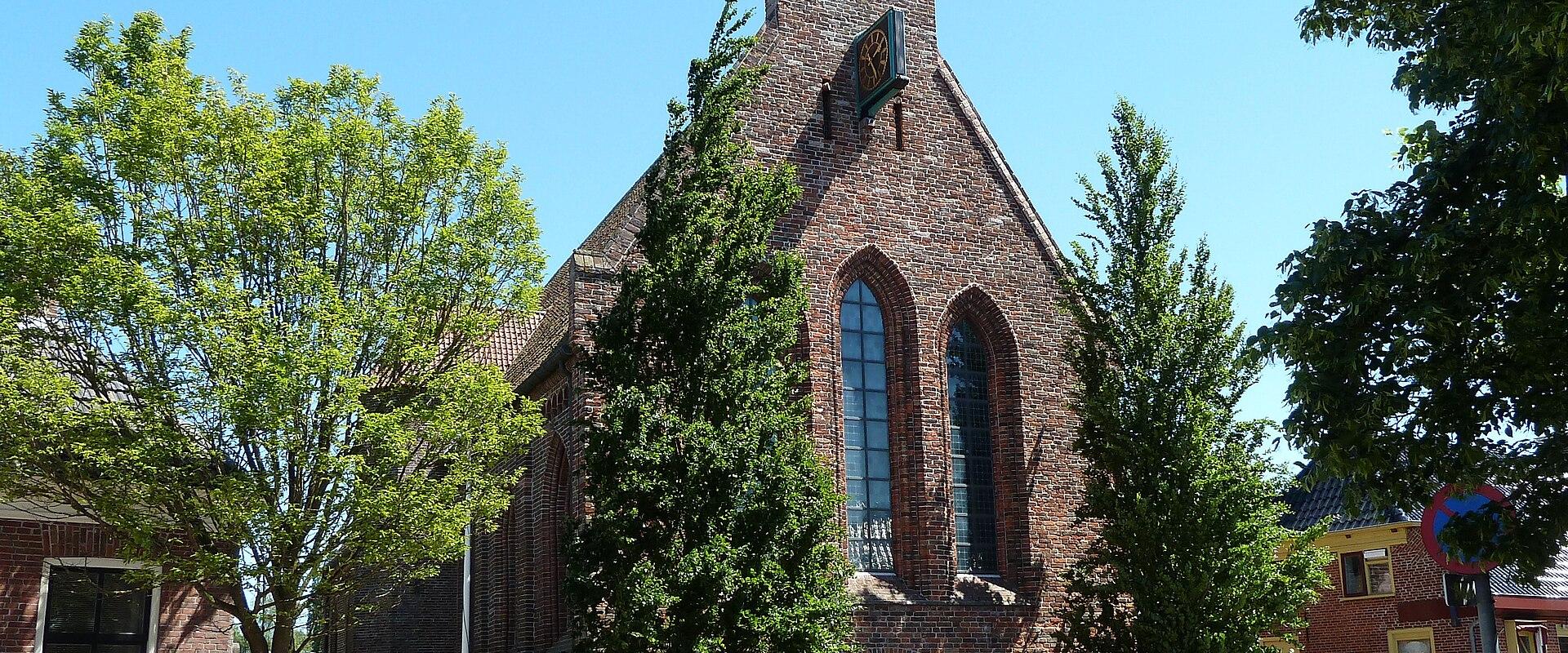
Abdijkerk Aduard
Medieval abbey church in Zuidhorn, Netherlands
- Where
- Zuidhorn, Groningen
- Directions
- Directions
Aduard is a quiet village in the Groningen clay country, in the municipality of Zuidhorn, and its name is bound up with one of the most important monasteries of the medieval north of the Netherlands. The Cistercian abbey of Aduard was founded in 1192, and over the following centuries it grew into one of the richest and most influential religious houses in the region. Its monks drained and farmed large areas of land, built dikes and canals, and managed estates that stretched across Groningen and beyond. The Abdijkerk, the Abbey Church, belongs to this heritage, although the original abbey buildings have largely disappeared.
The Cistercians were a reforming order that arose in the twelfth century, with a rule of strict simplicity, manual labour and withdrawal from the world, and their monasteries were usually built in remote and unpromising places that the monks then turned into productive farmland. In Groningen, their expertise in water management made them highly valuable, and Aduard grew prosperous. By the fifteenth century it was also known as a centre of learning, with a library that attracted scholars, and humanists such as Rudolf Agricola and Wessel Gansfort are associated with it. The abbey's fortunes changed with the Reformation, and after the Protestant takeover of Groningen in the late sixteenth century, the monastery was dissolved, its buildings were demolished and the stone was reused.
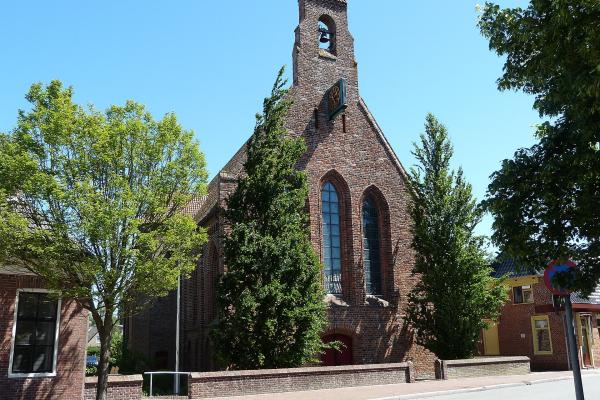
What visitors find today is a peaceful rural landscape in which the memory of the abbey is the main attraction. The village lies among open fields and water channels, with farms spread across the clay, and there are traces of the abbey's past in the layout of the village and in the church that still stands there. Details of the present church building are limited, and it is not always open, so visitors should treat it as part of a walk or a ride in the surroundings and check locally for access. Information about the abbey's history can be found at the nearby Sint-Bernardushof, which provides context on the religious past of the area.
The village makes a good stop on a cycle tour of the Groningen countryside. Roads are flat and quiet, with wide views, and the landscape is dotted with medieval churches on mounds, farms with huge barns and small canals. Groningen city is a short ride away, and the Reitdiep, the river that runs northwards to the Wadden Sea, offers a scenic route for cycling and boating.
The site suits history lovers, cyclists and those who enjoy quiet landscapes with a story behind them. Allow half an hour for the village and the church, and bring a camera and a windproof jacket.
Categories
More photos coming soon
Nearby Attractions
Closest attractions by distance
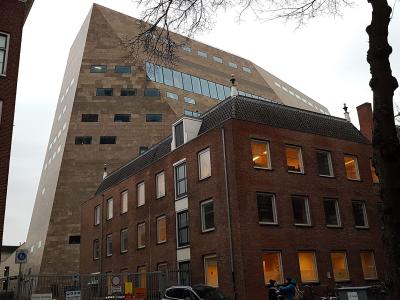
Forum
Cultural hub with library, cinema, and views
Cultural Experiences

Groningen's Old Town District
Historic heart of Groningen within Diepenring
Urban Exploration · Historic Districts

Lively markets
Historic squares buzzing with local trade
Food & Gastronomy · Urban Exploration

Groninger Museum
Colorful modern art and architecture in Groningen
Cultural Experiences · Art Museums

traditional farms (in Winsum)
Historic traditional farms among Winsum’s monuments
Cultural Experiences · Food & Gastronomy
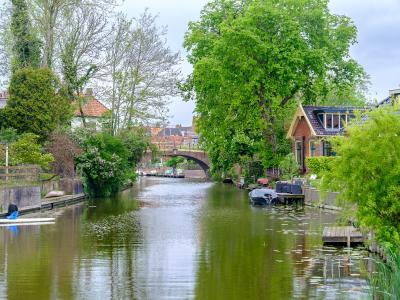
Winsumerdiep
Recreational park at Winsumerdiep, Winsum
Activities & Adventure · Natural Wonders

Historical walk along churches and monasteries
Historic churches and monasteries of Leeuwarden
History & Heritage · Guided Tours

Walfriduskerk
11th-century church with historic wooden origins
History & Heritage · Historic Churches
Questions people ask
Quick Facts
Best Time to Visit
Late June to early September offers mild weather, lush countryside, and ideal conditions for cycling, walking, and enjoying Zuidhorn’s parks and local events.