History
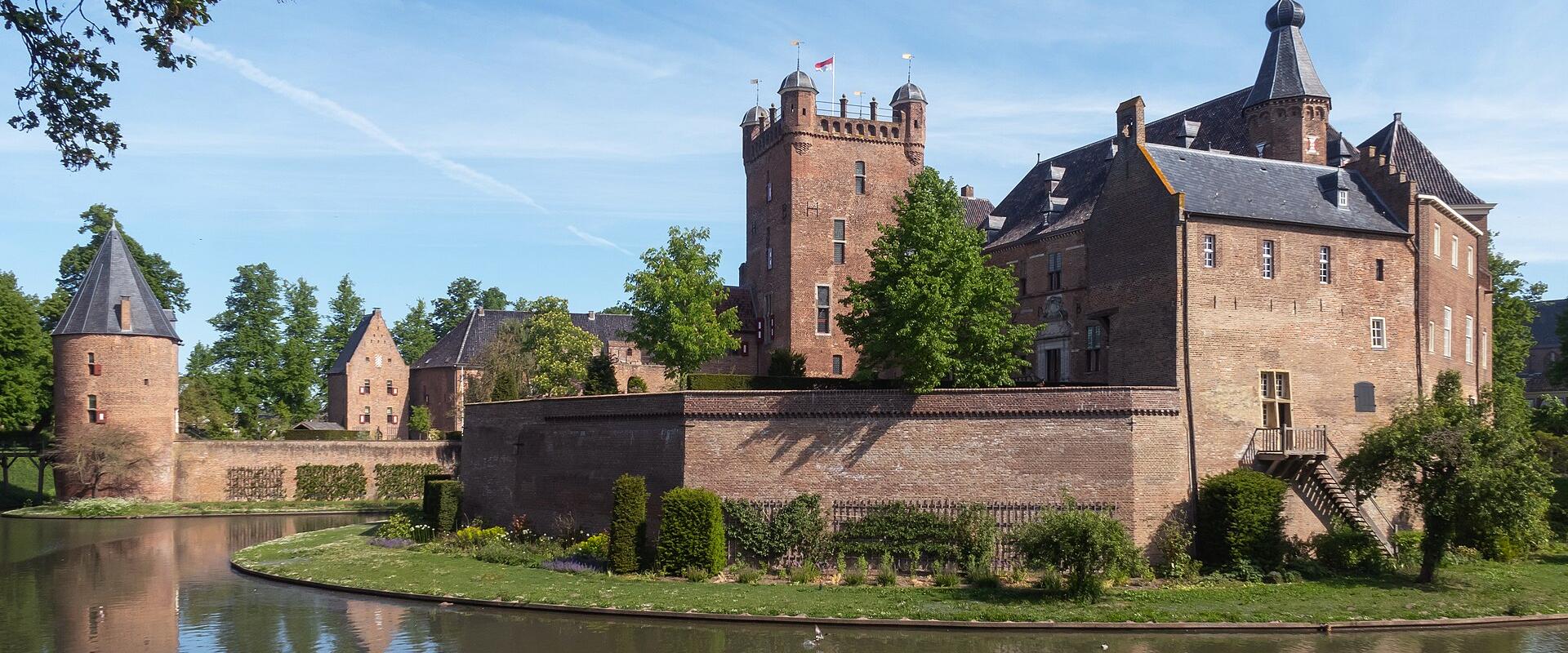
Montferland, located in the province of Gelderland, possesses a rich historical tapestry woven from medieval traditions, military significance, and agricultural heritage. The municipality’s identity is deeply rooted in its religious and feudal past. The area was historically influenced by powerful monastic orders and local nobility, leaving behind architectural gems that still define the landscape today. One of the most significant historical structures is Kasteel Huis Bergh, a castle that has stood since the 13th century. Originally a fortified manor, it evolved over centuries into the Renaissance-style castle seen today, serving as a residence for various noble families and later becoming a museum that preserves the region’s aristocratic history.
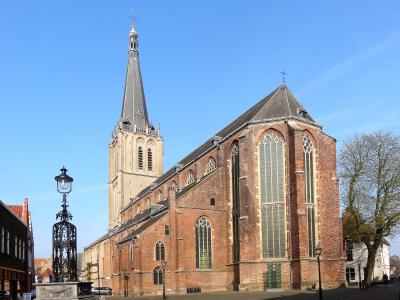
The religious history of Montferland is equally profound. The region is dotted with historic churches, such as the Sint-Oswalduskerk in Doetinchem and the Sint-Pancras en Joriskerk in Doetinchem, which reflect the Gothic and Romanesque influences prevalent in the Netherlands. These structures were not only places of worship but also community centers that survived wars, fires, and societal changes. Additionally, the Joodse Begraafplaats (Jewish Cemetery) in Doetinchem stands as a solemn reminder of the Jewish community that once thrived in the area, offering a poignant look into the multicultural history of the Achterhoek region. The military history is also preserved in Fort De Kemnade, a 19th-century fortification that played a role in the defense of the Netherlands during a period of heightened European tension. These historical layers make Montferland a destination for those interested in the evolution of Dutch society and architecture.
Main Attractions
The primary draw for visitors is the blend of natural beauty and cultural landmarks. Kasteel Huis Bergh is the crown jewel of the municipality, offering guided tours through its historic rooms, art collections, and beautiful park. The castle’s interior features period furnishings, paintings, and artifacts that tell the story of its inhabitants. Nearby, the village of Doetinchem serves as the cultural hub, with its historic town square and well-preserved merchant houses.
Religious architecture is another key attraction. The Sint-Oswalduskerk, with its impressive tower, dominates the skyline of Doetinchem and offers panoramic views of the surrounding hills. The Sint-Pancras en Joriskerk, also in Doetinchem, is renowned for its intricate interior and historical significance. For a more contemplative experience, the Joodse Begraafplaats provides a quiet space for reflection, with its well-maintained graves and historical markers.
Fort De Kemnade, located on the edge of the municipality, offers a glimpse into military history. The fort’s stone walls and strategic location provide a unique perspective on the defensive systems of the 19th century. The museum inside the fort displays weapons, uniforms, and documents related to its history. Additionally, the Hulzenberg, a prominent hill in the region, offers hiking trails with scenic views of the Achterhoek countryside, making it a favorite spot for nature enthusiasts.
Activities
Montferland is a paradise for outdoor enthusiasts. The rolling hills and dense woodlands provide excellent opportunities for hiking and cycling. The region is crisscrossed with well-marked trails that lead through forests, past farms, and along rivers. The Hulzenberg trail is particularly popular, offering a moderate hike with rewarding views from the summit. Cyclists can explore the flat and hilly paths that connect villages and towns, enjoying the serene rural landscape.
Water activities are also available, with nearby rivers and lakes offering opportunities for kayaking and fishing. The Achterhoek region is known for its apple orchards, and visitors can participate in apple picking during the autumn harvest season. Local farms often offer tours and tastings, allowing visitors to experience the agricultural heritage of the area.
Cultural activities include visiting museums and attending local festivals. The Montferland Museum showcases the history and culture of the region, while seasonal events celebrate local traditions, food, and crafts. The area’s proximity to larger cities like Arnhem and Nijmegen allows for easy day trips to urban attractions, but Montferland itself offers a peaceful retreat for those seeking relaxation and connection with nature.
Getting There
Montferland is easily accessible by car and public transport. The municipality is located in the eastern part of the Netherlands, making it a convenient destination for travelers from both domestic and international locations. By car, the region is well-connected via major highways, with clear signage directing visitors to key attractions like Kasteel Huis Bergh and Doetinchem. Parking is generally available at major sites, though it is advisable to arrive early during peak tourist seasons.
Public transport options include trains and buses. The nearest major train station is in Doetinchem, which connects to Arnhem and other major cities in the Netherlands. From Doetinchem, local buses and taxis provide access to surrounding villages and attractions. The region is also well-served by regional bus networks, making it possible to explore the area without a car. For those preferring a more active approach, the area is bike-friendly, with many accommodations offering bicycle rentals and storage facilities.
Best Time to Visit
The best time to visit Montferland depends on personal preferences, but spring and autumn are generally ideal. Spring brings blooming flowers and mild temperatures, perfect for hiking and outdoor activities. The landscape is vibrant with greenery, and the weather is comfortable for exploring the castles and churches. Autumn is equally appealing, with colorful foliage and harvest festivals. The apple orchards are in full production, and the cooler weather makes for pleasant cycling and hiking.
Summer is also a good time to visit, especially for those who enjoy longer days and outdoor events. However, it can be busier, and accommodations may need to be booked in advance. Winter offers a quiet, atmospheric experience, with fewer crowds and a cozy ambiance in local cafes and museums. While some outdoor activities may be limited by weather, the historical sites remain open and offer a unique perspective on the region’s heritage.
Best time to visit
May through September offers warm, pleasant weather ideal for outdoor exploration.
What to see in Montferland
Our picks first.

Montferland by interest
The same sights, grouped by what you came for.
Planning a visit to Montferland
Itineraries that include Montferland
Good to know
- Currency
- EUR
- Language
- Dutch