Who Sinterklaas Is
Sinterklaas is the Dutch figure based on Saint Nicholas, a 4th-century bishop of Myra in present-day Turkey and the patron saint of children. In the Netherlands he is pictured as an elderly bishop with a white beard, a red mitre and robe and a long staff, riding a white horse over the rooftops. His feast is the main children's gift-giving occasion of the Dutch year, separate from Christmas, and for many families it matters more.
For visitors in November and early December, it shapes what you see in shops, on television and in town centres.
The Arrival in November
The season opens with the national arrival, the intocht, held on the first Saturday after 11 November. According to the story, Sinterklaas travels each year by steamboat from Spain with his helpers. The national arrival takes place in a different town each year and is broadcast live on national television.
Most towns and cities then hold their own local arrival, often on the same weekend or the following one. In Amsterdam the arrival comes by boat through the canals and ends with a parade through the centre. These events are free, family-oriented and crowded; arrive early if you want a view, and check the local municipality's website for the route.
Shoes, Songs and Television
Between the arrival and 5 December, children put a shoe by the fireplace or the door on some evenings, often with a carrot or some hay for the horse, and sing Sinterklaas songs. In the morning they may find a small gift or sweets.
The horse in the Dutch television story was called Amerigo until 2019, when he was retired and replaced by Ozosnel, a name taken from a well-known song. Het Sinterklaasjournaal, a daily children's news programme that follows the storyline, has run every season since 2001 and is watched in many households.
Pakjesavond: 5 December
The high point is the evening of 5 December, known as pakjesavond (presents evening) or Sinterklaasavond. Families exchange gifts, traditionally after a knock on the door and a sack of presents left outside.
Among older children and adults, the evening often becomes a game. Groups draw names in advance (lootjes trekken), and each person makes a "surprise": a gift hidden inside a handmade creation, accompanied by a rhyming poem that gently teases the recipient. The poems are read aloud and are part of the fun. Saint Nicholas's feast day itself is 6 December, and in Belgium children receive their presents that morning instead.
The Sweets
From early autumn, Dutch supermarkets and bakeries fill with seasonal sweets:
- Pepernoten and kruidnoten: small spiced biscuits; today's crunchy kruidnoten are what most people mean by pepernoten
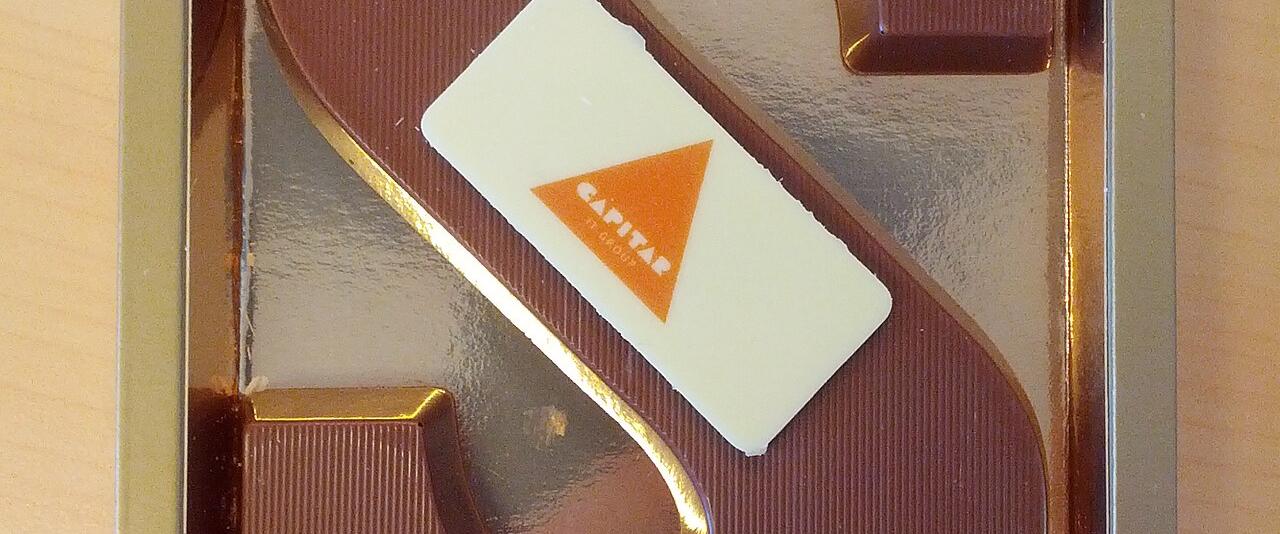
- Chocolate letters: a bar of chocolate shaped as the first letter of the recipient's name
- Speculaas: spiced shortcrust biscuits, sometimes pressed in wooden moulds, and gevulde speculaas, a spiced cake filled with almond paste
- Banketletter: a pastry letter filled with almond paste
- Marzipan: often shaped as fruit, animals or other figures
- Suikerbeesten: sugar animals, a traditional old-fashioned treat
These are easy, inexpensive souvenirs, and chocolate letters with your own initial are a common gift to take home. Shops start selling them long before the arrival in November, and leftover stock is often discounted after 5 December, once the shelves switch to Christmas.
Piet and How the Tradition Has Changed
Sinterklaas's helpers, the Pieten, were for decades played with full blackface, a practice that became the subject of intense public debate in the 2010s and was widely criticised as racist. Most cities and national television now use "chimney Piets" (roetveegpieten) with only soot smudges, as if from climbing down chimneys. Opinion polls show a clear shift in public views since 2019. Visitors may still encounter the older depiction in some places, and the subject remains sensitive in conversation.
Tips for Visitors
- Shops are busy in the evenings and weekends before 5 December; buy sweets early.
- On the evening of 5 December many families are at home, and some restaurants are quieter while others close early. Check opening times if you plan to eat out.
- Sinterklaas leaves the country after 5 December, and Christmas decorations follow quickly. If you want the Sinterklaas atmosphere, visit between mid-November and 5 December.
- Many children believe in Sinterklaas. Avoid spoiling the story within earshot.