A National Obsession with Rare Ice
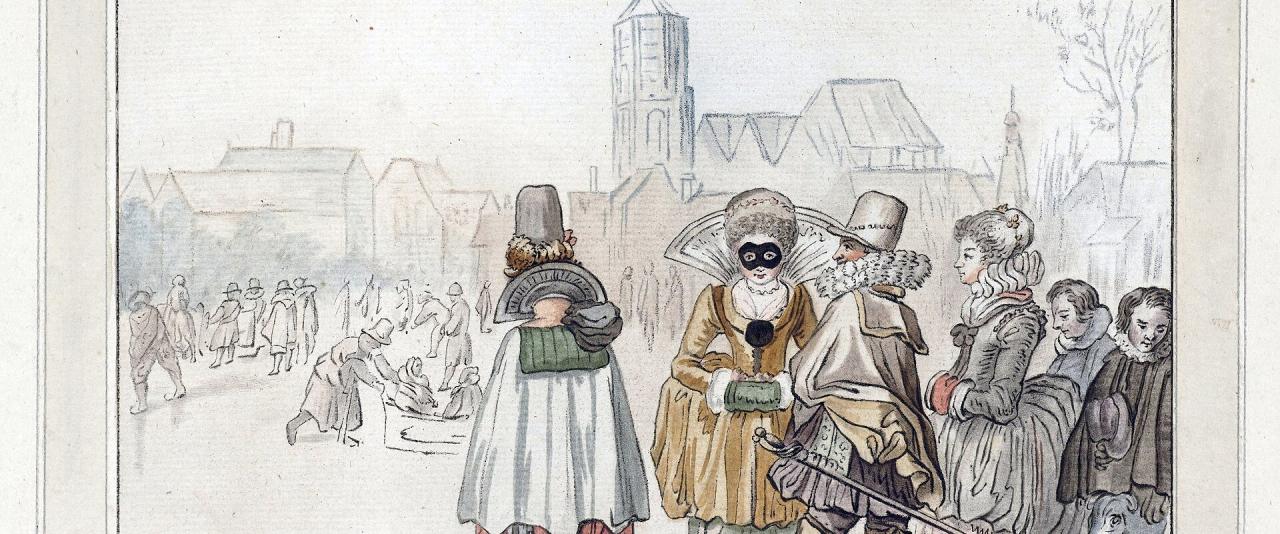
Few things excite the Dutch like a hard frost. When canals and lakes freeze, people leave work early, schools sometimes give children time off, and the countryside fills with skaters. The tradition goes back centuries, as 17th-century winter landscapes by painters such as Hendrick Avercamp show.
The reality for visitors is that skateable natural ice has become rare. Mild winters mean that many years pass with no safe outdoor ice at all, and when it does appear it may last only a few days. The last widespread skating spell came in February 2021. If you travel in winter hoping to skate on canals, treat it as a bonus, not a plan, and make sure you know where to skate on artificial ice instead.
The Elfstedentocht
The Elfstedentocht (Eleven Cities Tour) is the most famous skating event in the country: a race and tour of roughly 200 kilometres along frozen canals, rivers and lakes, linking the eleven historic cities of Friesland, starting and finishing in Leeuwarden. It can only go ahead when the ice along the entire route is at least 15 centimetres thick, and it is announced only a couple of days in advance.
It has been held just three times in the past half-century, most recently on 4 January 1997. Participation is limited to members of the organising association, De Friesche Elf Steden. For a taste of long-distance natural-ice skating, Dutch skaters travel to the Weissensee in Austria, where an alternative Elfstedentocht has been held most winters since 1989.
How Natural Ice Skating Works Locally
When a cold spell arrives, the first places to open are usually the rinks of local ice clubs (ijsclubs or ijsverenigingen). Many villages have one: a shallow field or pond that the club floods in winter. Because the water is shallow and the club checks the ice, these freeze safely sooner than canals and lakes. They charge a small entry fee or ask visitors to buy a day membership.
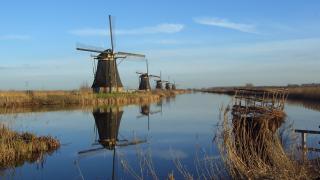
Canals, lakes and ditches take longer to become safe, and conditions vary from place to place. Local ice clubs, municipalities and the national skating union (KNSB) issue advice, and Dutch news sites report which areas are open. Scenic places that draw crowds when frozen include the canals and lakes of Friesland, the waterways around Giethoorn, the polder at Kinderdijk and the lakes near Loosdrecht, but only when locals confirm the ice is safe.
Safety on Natural Ice
Drownings and injuries happen every cold spell. Follow the same rules the Dutch do:
- Never skate alone. Most fatal accidents involve someone alone on the ice.
- Avoid weak spots. Ice near bridges, reeds, overhanging branches, inflows and outflows, and along the edges is often thinner. Dark patches can indicate thin ice.
- Be wary of snow. A layer of snow insulates and weakens the ice beneath.
- Thin ice is not a canal skate. A few nights of frost may make a shallow ditch skateable while open water and lakes remain dangerous. Lakes need several nights of hard frost.
- Follow local advice. If a municipality or ice club says an area is closed, stay off it.
- Carry a phone and a spare set of dry clothes, and tell someone where you are going.
Koek-en-Zopie and Ice Culture
Wherever people skate on natural ice, small stalls called koek-en-zopie appear on the bank or on the ice itself. They sell hot drinks such as chocolate milk and coffee, cups of pea soup, and snacks like gingerbread (koek). Many are run by volunteers or local clubs, and paying a little at the stall often helps cover the cost of keeping the ice open.
You will see a mix of skates: long-bladed "noren" for touring, figure skates, and occasionally traditional Frisian wooden skates strapped to shoes.
Where to Skate in Any Winter
If the canals stay liquid, there are reliable alternatives:
- Jaap Eden ijsbaan, Amsterdam. An outdoor artificial rink with a 400-metre track, open to the public in a season that usually runs from late October to around March. Skate rental is available.
- Thialf, Heerenveen. The famous indoor speed-skating stadium in Friesland opens its tracks for public skating when no competitions are scheduled, with rental skates available. Check the recreational schedule online.
- Seasonal rinks. Many cities set up temporary rinks on squares or in parks during December, such as the covered rink at Magisch Maastricht.
Planning a Winter Trip
If you want the best odds of natural ice, January and February are the most likely months, and the northern and eastern provinces freeze sooner than the coast. Pack your own skates only if you are serious; rentals are easy at artificial rinks but rarely available at improvised natural-ice spots. Above all, watch the forecast and local news and be flexible. If a cold spell does arrive, it is one of the most memorable things you can experience in the Netherlands.