







- Where
- Steenbergen, West Brabant
- Directions
- Directions
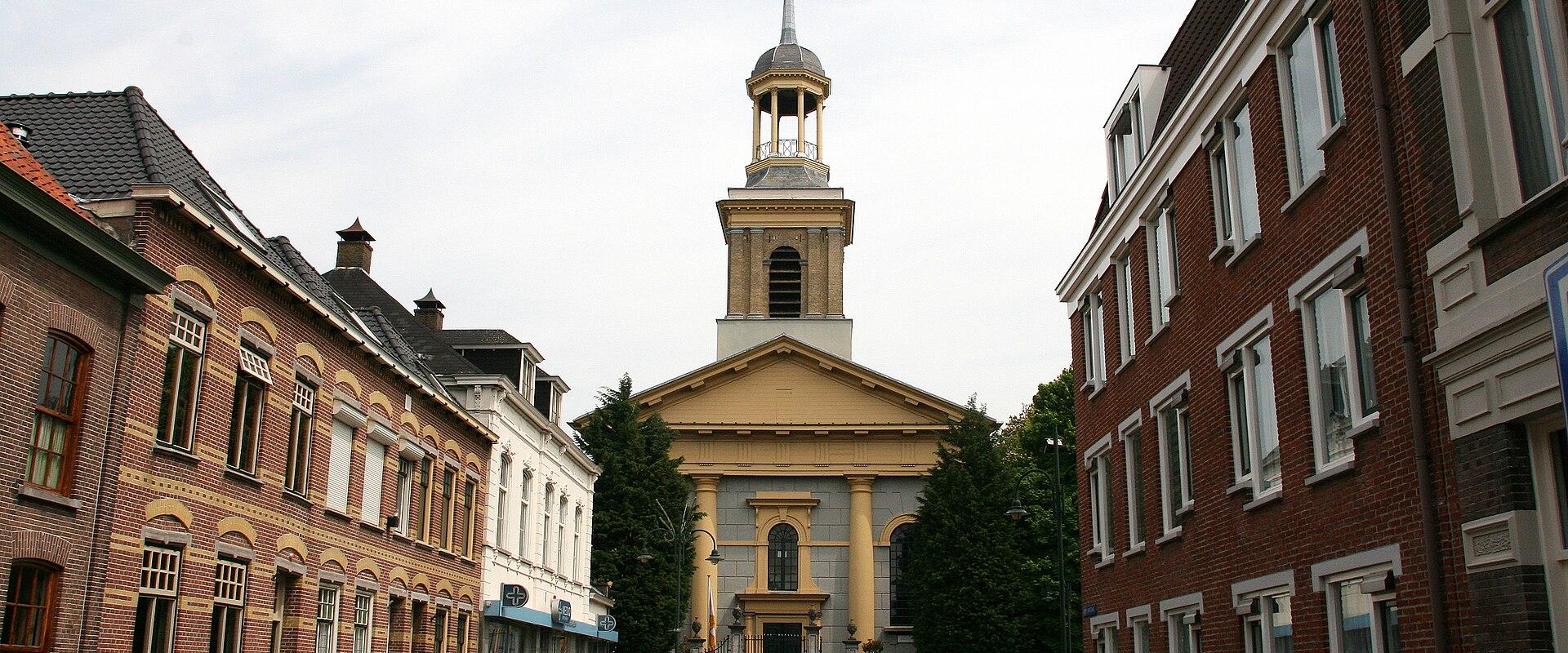
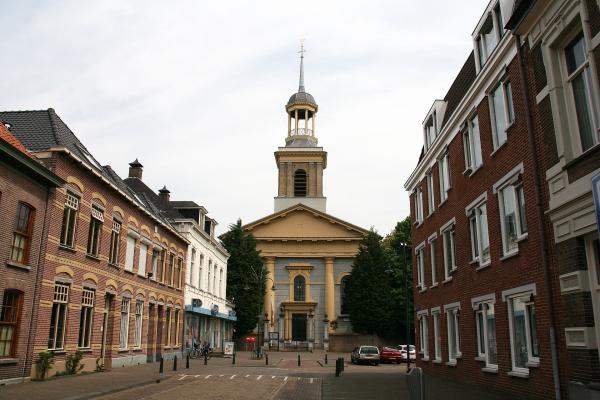
The Witte Kerk, the White Church, is the Protestant church of Steenbergen, standing at Kerkplein 7 in the old centre of the town. It is a waterstaatskerk, one of the churches built in the Netherlands in the early nineteenth century with state funding and under the supervision of the national public works department. Its neoclassical front, with Tuscan half-columns, a cornice and a triangular pediment beneath a bell tower, makes it look more like a small temple than a Dutch village church. The architect was Pieter Huijsers.
The site carries a much longer history. A stone church stood here in the thirteenth century, and around 1505 it was replaced by the Jacobuskerk, a large Catholic church. On 17 October 1590, the day Maurice of Nassau took Steenbergen, the church passed to the Protestants. During the Eighty Years' War and again in the Napoleonic period it was used as a barracks, and by the early nineteenth century it was in such poor condition that it was pulled down in 1831.
The government then lent money at low interest to build two new churches in the town: the Catholic Sint-Gummaruskerk and this Protestant church, raised on the foundations of the old Jacobuskerk. Much of the older interior was carried over. The church kept the large bell of the Jacobuskerk, whose original inscription is joined by a Calvinist verse added in the sixteenth century, and an organ about three hundred years old.
The nickname needs a word of explanation. The church was painted white from the early twentieth century, and the name stuck, but since a major restoration in 2007 the building has been yellow. It has been a national monument since 1971. Kerkplein is a short walk from the Kaaistraat and the old harbour, so the church fits easily into a walk around the compact centre of this former fortress town.
The Witte Kerk suits visitors interested in church architecture and in the history of Steenbergen, which changed hands many times during the wars of the sixteenth and seventeenth centuries. Seen together with the much larger neo-Gothic Sint-Gummaruskerk, it shows how the town's Protestant and Catholic communities rebuilt their churches side by side in the nineteenth century.
Categories
More photos coming soon
Nearby Attractions
Other places to visit in Steenbergen
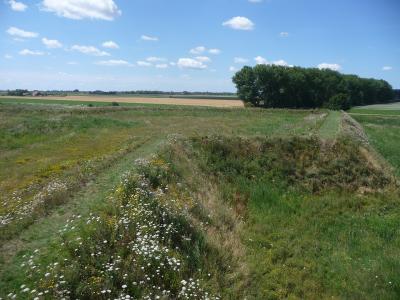
Fort Henricus
Five-bastion fort of 1626-1627 guarding Steenbergen's harbour
History & Heritage · Fortresses
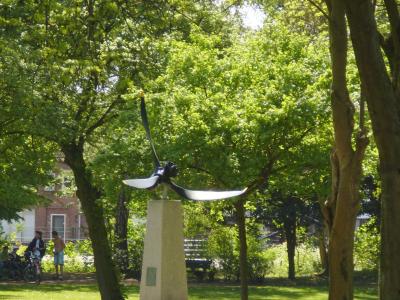
Gibson and Warwick Monument
Propeller memorial to Dambuster Guy Gibson, killed here in 1944
History & Heritage · Monuments
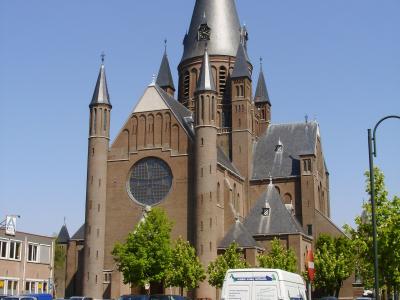
Sint-Gummaruskerk Steenbergen
Neo-Gothic church on 1,100 wooden pilings
Historic Churches · Monuments
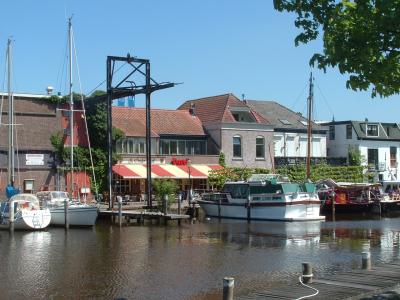
Steenbergse Haven
Harbour dating from the 14th century, now a marina by the centre
History & Heritage · Harbors
Questions people ask
Quick Facts
Best Time to Visit
Late June to early September offers mild weather, lively events, and ideal conditions for exploring Steenbergen’s historic sites and countryside.