







- Hours
- During low tide
- Where
- Vlieland, Friesland
- Directions
- Directions
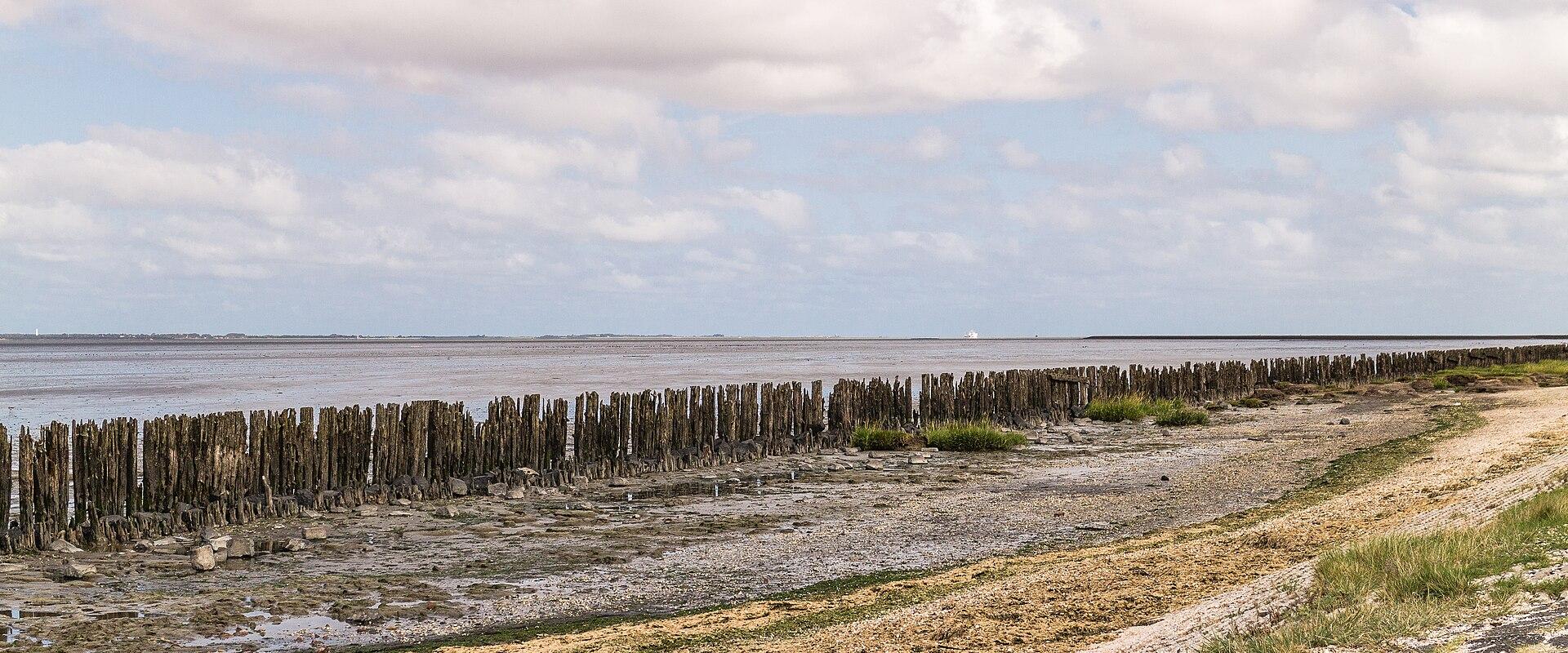
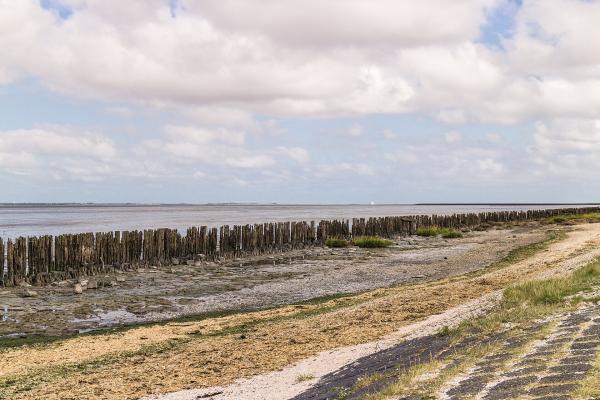
The Wadden Sea is a shallow, tidal sea between the Dutch, German and Danish coasts and the chain of barrier islands that shelters them, and it is the largest unbroken system of intertidal sand and mud flats in the world. Twice a day the tide goes out and exposes vast areas of seabed, and twice a day it returns, flooding the flats and gullies. The area is recognised as a UNESCO World Heritage site for its natural importance, and the Dutch part includes the waters around Vlieland, which lie between the island and the mainland coast of Friesland.
The mudflats are rich in life, although they may look empty at first sight. The mud is full of worms, shellfish, small crustaceans and other invertebrates, which are food for huge numbers of birds. Millions of waders, geese and ducks use the Wadden Sea as a feeding and resting place on their migrations between the Arctic and Africa, and in autumn and spring the flats are alive with birds in great flocks. Fish use the shallow waters as a nursery, and seals rest on the sandbanks at low tide, grey seals and common seals, which can be watched from boats or from a respectful distance. Plants such as glasswort and sea lavender grow on the salt marshes at the edges.
There are several ways to experience this landscape from Vlieland. The most famous is mudflat walking, wadlopen in Dutch, in which a group led by a qualified guide walks across the seabed at low tide, wading through gullies and squelching through mud. It is an unusual and memorable experience, but it can be dangerous without a guide, since tides come in quickly and fog can hide the route, and it should never be attempted alone. Guides explain the life in the mud and show visitors how to find shellfish and worms. Boat trips from the harbour offer another way of seeing the area, visiting sandbanks where seals lie, and some go to Richel, an uninhabited sandy island in the Wadden Sea, which is a nature reserve with limited access.
Oysters have a place in the story. Pacific oysters, introduced decades ago, now grow wild on the flats, and some excursions include opportunities to learn about them and to taste them, a link to the old tradition of living from the sea.
Practical points matter. Times and routes depend on the tides and the weather, so book ahead and check conditions. Wear old clothes and shoes that can get wet. The experience suits active visitors, families with older children and nature lovers.
More photos coming soon
Opening Hours
- Open
- During low tide
Hours and prices change, especially out of season. Check with the venue before you go.
Nearby Attractions
Other places to visit in Vlieland

De Cocksdorp Beach
4km wild beach on Texel's northern tip
Beaches · Hiking Trails

De Hoop Lighthouse
Red lighthouse with 51 steps and panoramic views
Coastal & Maritime · Natural Wonders
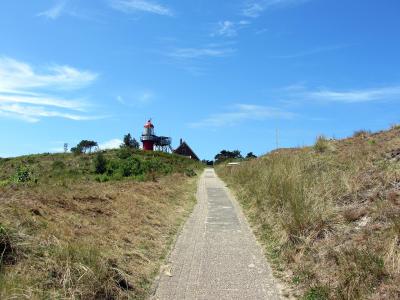
Dune Landscape (Duinreservaat)
Highest dune on Dutch Wadden Islands with red lighthouse
Coastal & Maritime · Natural Wonders
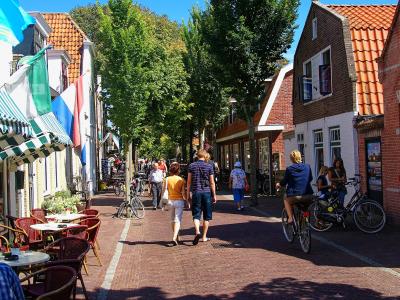
Oost-Vlieland Village Center
Historic village with 17th-century church and oldest isla...
History & Heritage · Natural Wonders
Questions people ask
Quick Facts
Best Time to Visit
Visit in May to September for mild weather and active beach life, or October for autumn colors and fewer crowds.