







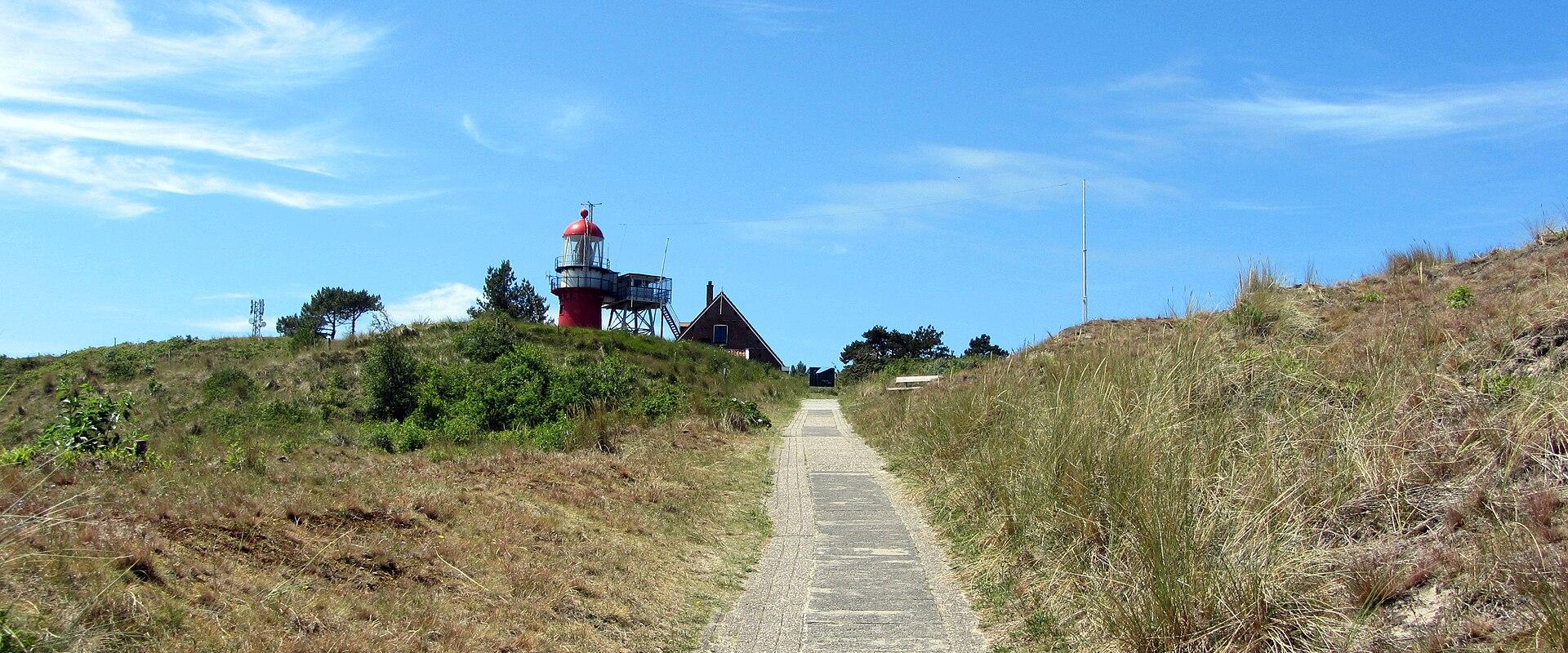
Dune Landscape (Duinreservaat)
Highest dune on Dutch Wadden Islands with red lighthouse
- Where
- Vlieland, Friesland
- Directions
- Directions
Vlieland is one of the Dutch Wadden Islands, a long, narrow strip of sand between the North Sea and the Wadden Sea, reached by ferry from Harlingen. It is a quiet place. It has a single village, cars are very restricted, and most visitors get around on foot or by bicycle. The western part of the island is a nature reserve of dunes, beaches and woods, and the eastern end is a huge sand plain used by the military and closed to the public for much of the time. In between lie some of the best walking and cycling routes in the Wadden region.
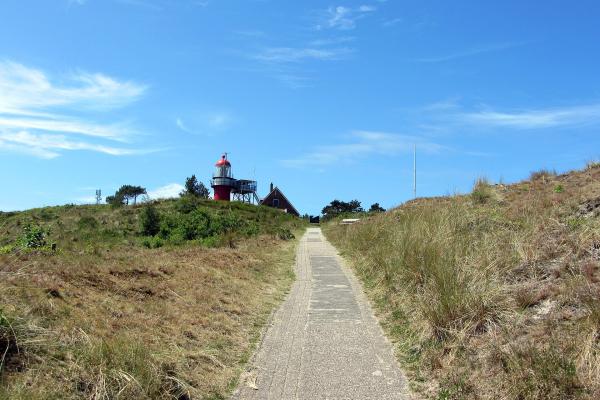
The highest point of the island is a dune known as the Vuurboetsduin, which rises to about forty-five metres above sea level, one of the highest dunes in the Wadden Islands. The name refers to a light that stands on it, a beacon in the form of a lighthouse, painted red, which has served as a navigation aid and a landmark for centuries. From the top, the view is the reward. On a clear day you can see across the whole island, to the sea on one side, the Wadden Sea mudflats on the other and neighbouring islands such as Texel and Terschelling, as well as the village in the distance. Viewing platforms and a tower make the most of the position, and at certain points you can look down on the woods and the tidal flats.
The dunes are protected, and they are home to a rich mix of plants and animals. Marram grass, sea buckthorn and creeping willow hold the sand, and in hollows between the dunes there are damp meadows with orchids and other rare flowers. Birds are abundant. Migrating waders and geese use the island as a stopover, and spoonbills, eiders and many others can be seen on the mudflats and the beaches. A forest of pines and other trees, planted in the nineteenth century to bind the sand, adds variety, and rabbits and foxes live among the dunes.
Paths lead through the dunes, and it is important to stay on them, since the vegetation is fragile and the dunes are the island's defence against the sea. The site is open to the public with no charge for the dunes themselves, although access to buildings may be limited. The climb is short but steep, and sandy paths are tiring, so wear sturdy shoes and bring water.
The dunes suit walkers, cyclists, birdwatchers and photographers. A visit can last an hour or a day, and sunset from the top is especially fine. Check the ferry times before travelling.
Categories
More photos coming soon
Nearby Attractions
Other places to visit in Vlieland

De Cocksdorp Beach
4km wild beach on Texel's northern tip
Beaches · Hiking Trails

De Hoop Lighthouse
Red lighthouse with 51 steps and panoramic views
Coastal & Maritime · Natural Wonders
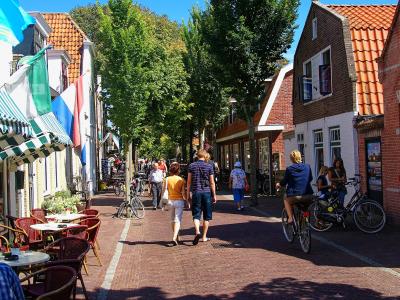
Oost-Vlieland Village Center
Historic village with 17th-century church and oldest isla...
History & Heritage · Natural Wonders

Vlielander Kerk
17th-century church in Vlieland village
Guided Tours · Historic Churches
Questions people ask
Quick Facts
Best Time to Visit
Visit in May to September for mild weather and active beach life, or October for autumn colors and fewer crowds.