

- Hours
- Tue-Fri 10am-4pm; Weekends/Holidays 12pm-4pm; Closed Mondays
- Where
- Purmerend, Holland
- Directions
- Directions
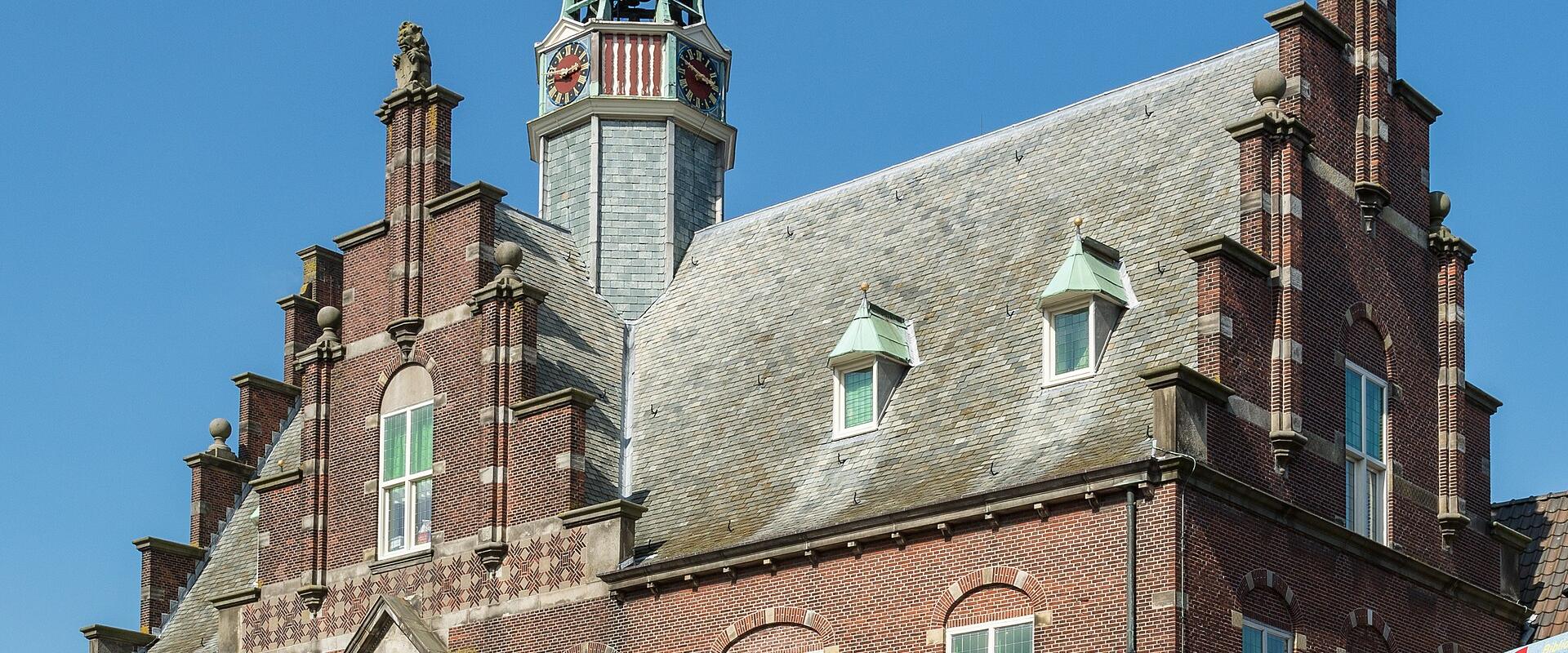
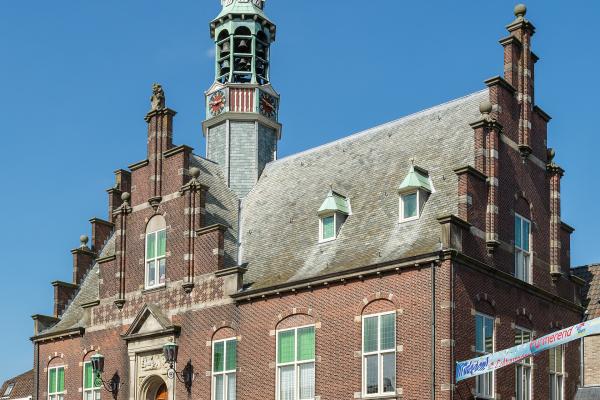
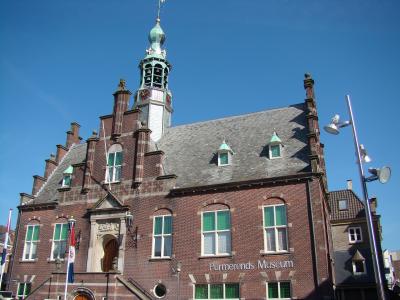
The Purmerends Museum, also known as the Purmerland Museum, is the local history museum of Purmerend, a town in North Holland north of Amsterdam, and it occupies a former town hall on the Kaasmarkt, the Cheese Market. The building itself is a part of the story, as it stood at the centre of civic life for centuries and now houses the memory of the town. A visit gives an introduction to a place that most travellers pass on their way to other destinations.
Purmerend grew from a trading settlement and fishing village in the fourteenth century into a market town. Its position beside the Purmer, a lake that was drained in the early seventeenth century, shaped its fortunes, as the new polder provided fertile farmland and attracted farmers. The famous engineer Jan Adriaenszoon Leeghwater, who also worked on the Beemster, was involved in the drainage of the Purmer. The town became a centre for the trade in cheese, butter and livestock, and its markets drew producers from the surrounding countryside. A cheese market is still held in summer as a tourist attraction.
The highlight of the museum's collection is a display of Jugendstil decorative earthenware, a style related to Art Nouveau, which was produced in Purmerend factories between 1895 and 1907. The ceramics are known for their flowing forms and colourful glazes, and they were popular as ornamental household objects. The museum shows work by designers and sculptors associated with the factories, including August Falise and Chris van der Hoef, and the collection gives a rare window on a short-lived but creative local industry.
Beyond ceramics, the museum presents the history of the town through maps, paintings, tools, documents and photographs, and temporary exhibitions deal with particular themes. There are also objects relating to the drainage of the polders, the life of farmers and the changes of the twentieth century, when Purmerend grew rapidly as a commuter town for Amsterdam. The museum is small and welcoming, with a friendly staff.
The Markt and the surrounding streets are close, and the nearby Gemeentemuseum Purmerend is another sight. The museum suits history lovers and those interested in design. It is usually open from Tuesday to Sunday, but check the times, which vary at weekends and holidays, and allow an hour or so.
Categories
More photos coming soon
Opening Hours
- Open
- Tue-Fri 10am-4pm; Weekends/Holidays 12pm-4pm; Closed Mondays
Hours and prices change, especially out of season. Check with the venue before you go.
Nearby Attractions
Other places to visit in Purmerend
Gemeentemuseum Purmerend
Museum of Purmerend history and local culture
Guided Tours · History Museums

Purmer
Former town hall detailing Purmerend's history
Art Museums · City Centers

Purmerend Market Square (Markt)
Historic cattle market square with terraces
From €9 Cultural Experiences · Food & Gastronomy
Questions people ask
Quick Facts
Best Time to Visit
Visit in April to September for mild weather and vibrant polder landscapes, or October for autumn colors and fewer crowds.