







- Where
- Culemborg, Betuwe
- Directions
- Directions
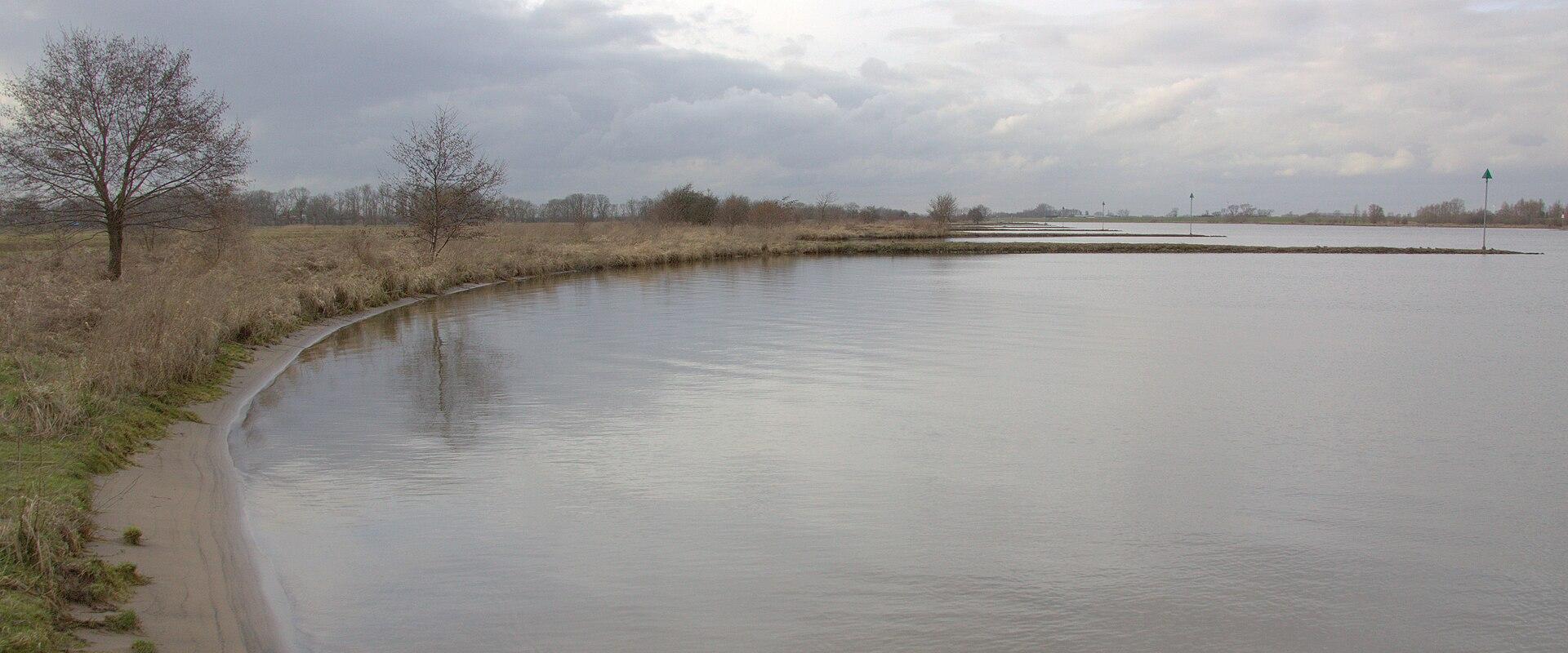
The Lek is one of the branches of the Rhine, a broad, slow river that runs westward through the middle of the Netherlands from Wijk bij Duurstede towards Rotterdam. Culemborg lies on its south bank, just beyond the historic centre, and the stretch of river and floodplain next to the town is one of the easiest places to see the river landscape. It is open, green and wide, with the dyke on one side and the water on the other, and it offers a very different mood from the brick streets of the old town.
The key feature of any Dutch river is the floodplain, the uiterwaard, the strip of land between the main channel and the dyke. It floods when water levels rise in winter and spring, which is why it is not built on, and over time it has become a rich habitat. Willows and poplars grow along the banks, grassland gives way to reed and wet meadow near the water, and in summer the flowers attract bees and butterflies. In many places along the Dutch rivers, nature managers have introduced grazing by hardy cattle or horses, which keep the vegetation varied and open without chemicals or machines, and walkers may come across them on the paths.
Birds are a particular attraction. Geese and ducks gather on the water and the wet grassland in autumn and winter, waders and herons feed along the shore, and in the breeding season the reeds ring with warblers. Birds of prey hunt over the open land, and kingfishers can sometimes be seen flashing along the banks. A pair of binoculars is a good idea, and early morning is the best time. On the water, barges and pleasure boats pass, and the sight of a long cargo ship moving silently against the green bank is part of the charm.
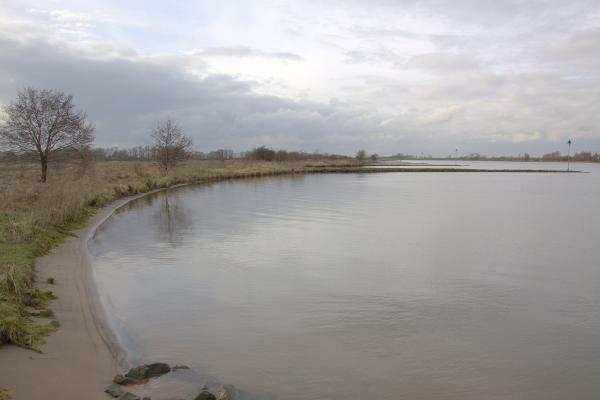
The paths are easy. Footpaths and cycle tracks follow the dyke and the river bank for long distances, so it is simple to plan a walk of an hour or a ride of half a day. Occasional small beaches and inlets offer places to picnic, and information boards explain the plants, animals and the history of water management in the area. Take care near the water's edge, since currents and wake from ships can be dangerous.
The area suits walkers, cyclists, birdwatchers and families. It combines well with a visit to the old town, with its gates, its museum in the former orphanage and the synagogue. Spring and autumn give the best light and the most birds, and the floodplain can be muddy after rain, so wear sturdy shoes.
Categories
More photos coming soon
Nearby Attractions
Other places to visit in Culemborg

Binnenpoort
14th-century medieval city gate and landmark
History & Heritage · Urban Exploration
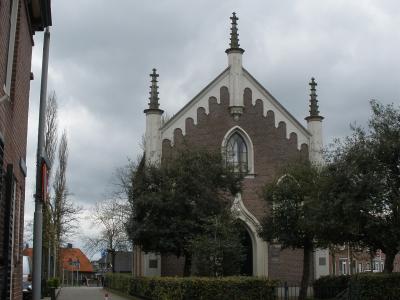
Culemborg Synagogue
Historic synagogue showcasing Dutch-Jewish heritage
Cultural Experiences · History & Heritage

Elisabeth Weeshuis Museum
First purpose-built Dutch orphanage, 1560
History & Heritage · History Museums
Questions people ask
Quick Facts
Best Time to Visit
Late June to early September offers warm weather, blooming orchards, and ideal conditions for exploring Culemborg’s historic center and riverside landscapes.