
- Where
- Culemborg, Betuwe
- Directions
- Directions
The Elisabeth Weeshuis in Culemborg is a former orphanage that now houses a museum about the care of children in the Netherlands over the centuries. The institution was founded in 1560 with money left by Elisabeth van Culemborg, a noblewoman of the house that ruled this small Lek-side town, and it continued to look after orphans for hundreds of years. Few buildings in the country can show such a long record of continuous charitable use, and the museum treats the building itself as its main object.
The idea of the weeshuis, or orphanage, was typical of the Dutch Republic. Towns and churches ran their own institutions for children without parents, and the regents who managed them were usually leading citizens. Children were housed, fed, schooled and then trained for a trade or domestic service, and the institutions often had strict rules, uniforms and daily routines. Paintings of the regents and the children can be found in many Dutch museums, and they give a sense of the order and discipline expected.
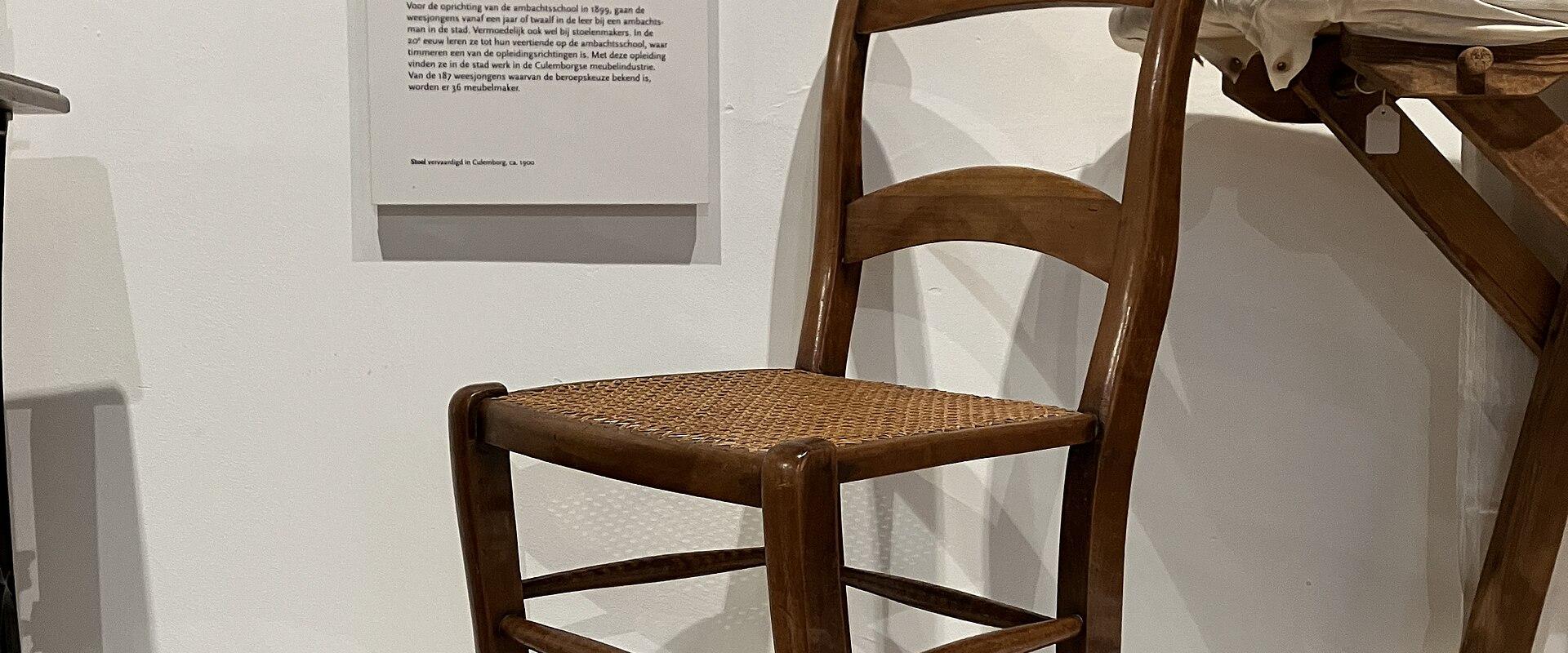
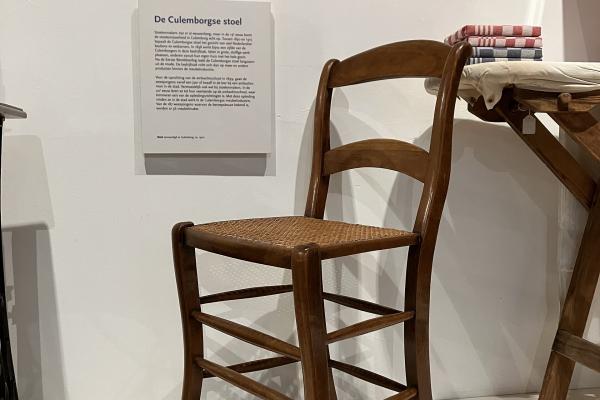
A visit to the museum in Culemborg gives a more personal view of these stories. The rooms, courtyards and gardens retain much of the structure of the old orphanage, and exhibits show how the children lived, what they wore and how they were taught. The museum places individual lives in the wider context of social history, asking how a society looks after those who cannot look after themselves, a question that remains relevant today.
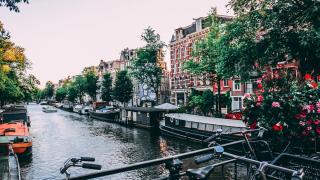
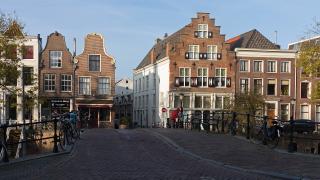
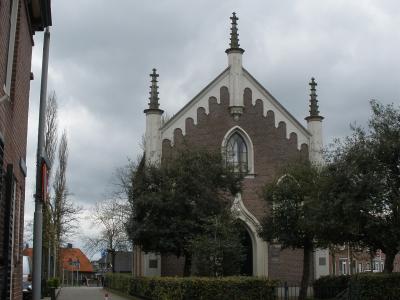
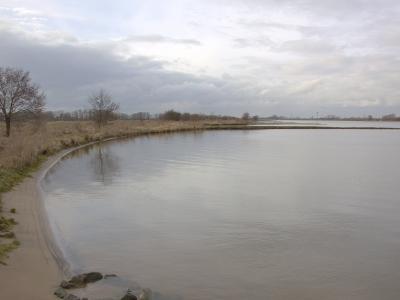
Culemborg itself is a charming small town with a well-preserved historic centre, canals, and a walled layout that includes the Binnenpoort, an old city gate. It also has a historic synagogue and riverside walks along the Lek, where the Dutch landscape of dikes, meadows and wide skies opens out. The town's compact size makes it easy to explore on foot, and it combines well with a cycle ride along the river.
The museum suits visitors who enjoy social history, families with older children and anyone looking for an off-the-beaten-track cultural stop in the centre of the country. Opening days and admission arrangements change, so look at the museum's website before travelling. Allow an hour or two for the visit, and add time for the town centre. Inside, the rooms and courtyards show how the children lived. The Museum is small enough to see in a short visit.
Categories
More photos coming soon
Nearby Attractions
Other places to visit in Culemborg

Binnenpoort
14th-century medieval city gate and landmark
History & Heritage · Urban Exploration
Culemborg Synagogue
Historic synagogue showcasing Dutch-Jewish heritage
Cultural Experiences · History & Heritage
Nature Along the Lek River
Riverside nature trails along the Lek River
Natural Wonders · Hiking Trails
Questions people ask
Quick Facts
Best Time to Visit
Late June to early September offers warm weather, blooming orchards, and ideal conditions for exploring Culemborg’s historic center and riverside landscapes.