
Dwingelderveld National Park
Largest wet heath in NW Europe, Drenthe, Netherlands
- Where
- Dwingeloo, Drenthe
- Directions
- Directions
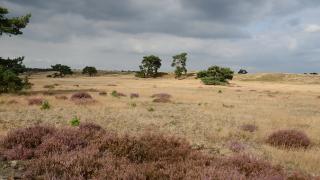
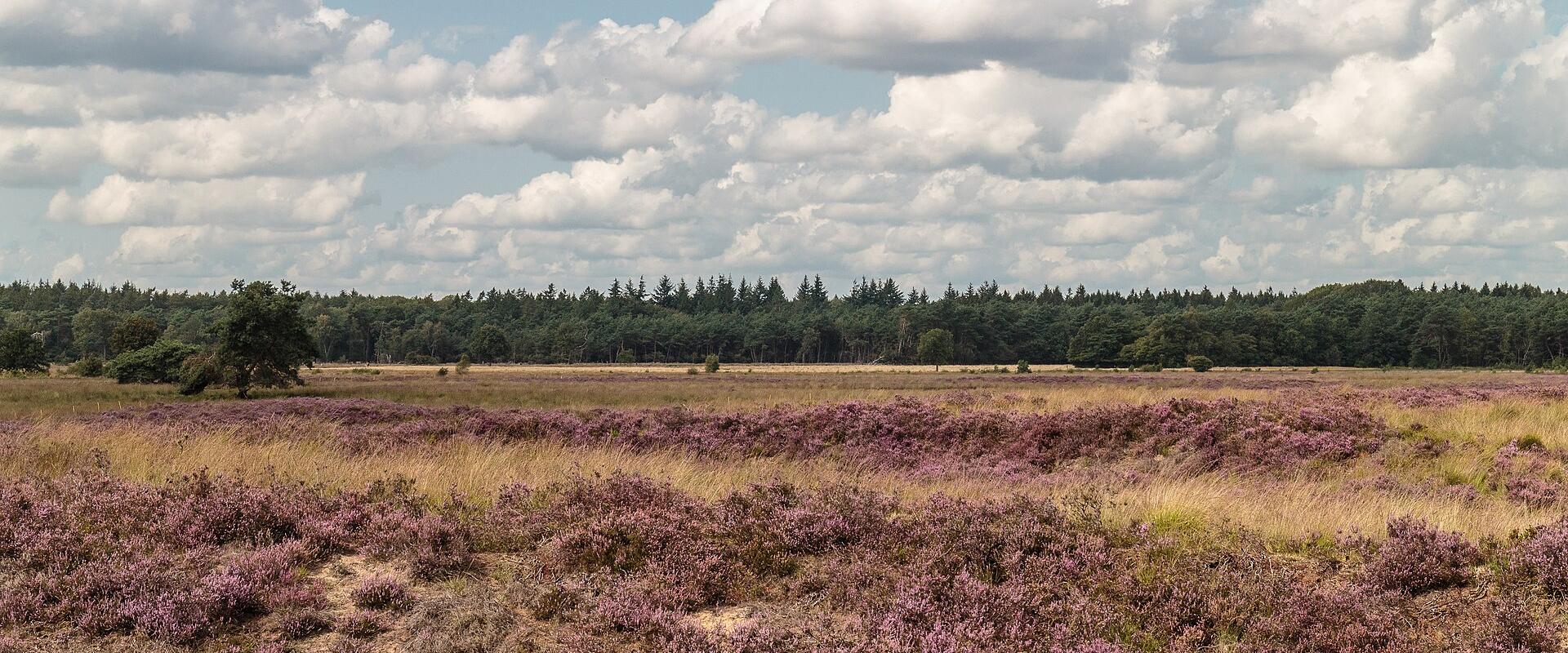
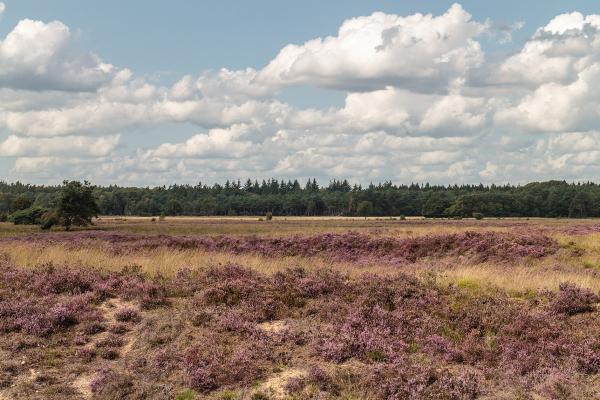
Dwingelderveld is a national park in the province of Drenthe, in the northeast of the Netherlands, and it is often described as the largest wet heathland in Western Europe. The park covers about 3,700 hectares of heath, pools, peat, woods and meadows around the villages of Dwingeloo, Ruinen and Spier, and it forms a sharp contrast with the flat farmland that surrounds it. The landscape is a delicate balance of low, waterlogged hollows and drier, sandy ridges, and the paths that cross it are carefully routed to stay above the wet ground.
The heath is not a wilderness but a landscape created by people. For centuries local farmers grazed sheep on the sandy ground and cut turf, which kept the woodland from taking over and created a mosaic of open heath. When this traditional use ended, the heath began to turn into forest, and today nature managers use grazing, sod cutting and other methods to keep it open. The park's flock of Drenthe heath sheep, a hardy local breed, roams freely, often accompanied by a shepherd, and they are an iconic sight, as well as playing a practical role in the heath's upkeep.
The plants are a highlight. The wet parts support cranberry, bog asphodel, sundew and the striking blue marsh gentian, which flowers in late summer, while the dry heath turns purple with heather in August and early September, the most popular time to visit. The park attracts many birds and butterflies, and also dragonflies around the pools, and you may see deer, foxes and a variety of reptiles. Walking and cycling routes lead through the heath, the woods and along the pools, and the Boslounge visitor centre at Spier offers information and refreshments.
There is a surprising scientific connection nearby. The Dwingeloo Radio Telescope, built in the 1950s, was the largest radio telescope in the world when it was completed in 1956, and it made important discoveries about the Milky Way. It has been preserved as a monument and can sometimes be visited, which adds an unexpected extra to a day in the park. The area is also known for its dark skies, which make it a good place for stargazing on clear nights.
The park is open at all times, though visitor centres have their own hours, so check before you go. The park suits walkers, cyclists, families, photographers and nature lovers. Late summer is the best time for the heather, early summer for birdsong and autumn for mist over the pools. Bring waterproof shoes, insect repellent in summer and a windproof layer.
Categories
More photos coming soon
Nearby Attractions
Other places to visit in Dwingeloo

Questions people ask
Quick Facts
Best Time to Visit
Late June to late August offers warm weather, blooming heath, and ideal conditions for hiking, cycling, and exploring Dwingelderveld National Park.