







- Where
- Terschelling, Friesland
- Directions
- Directions
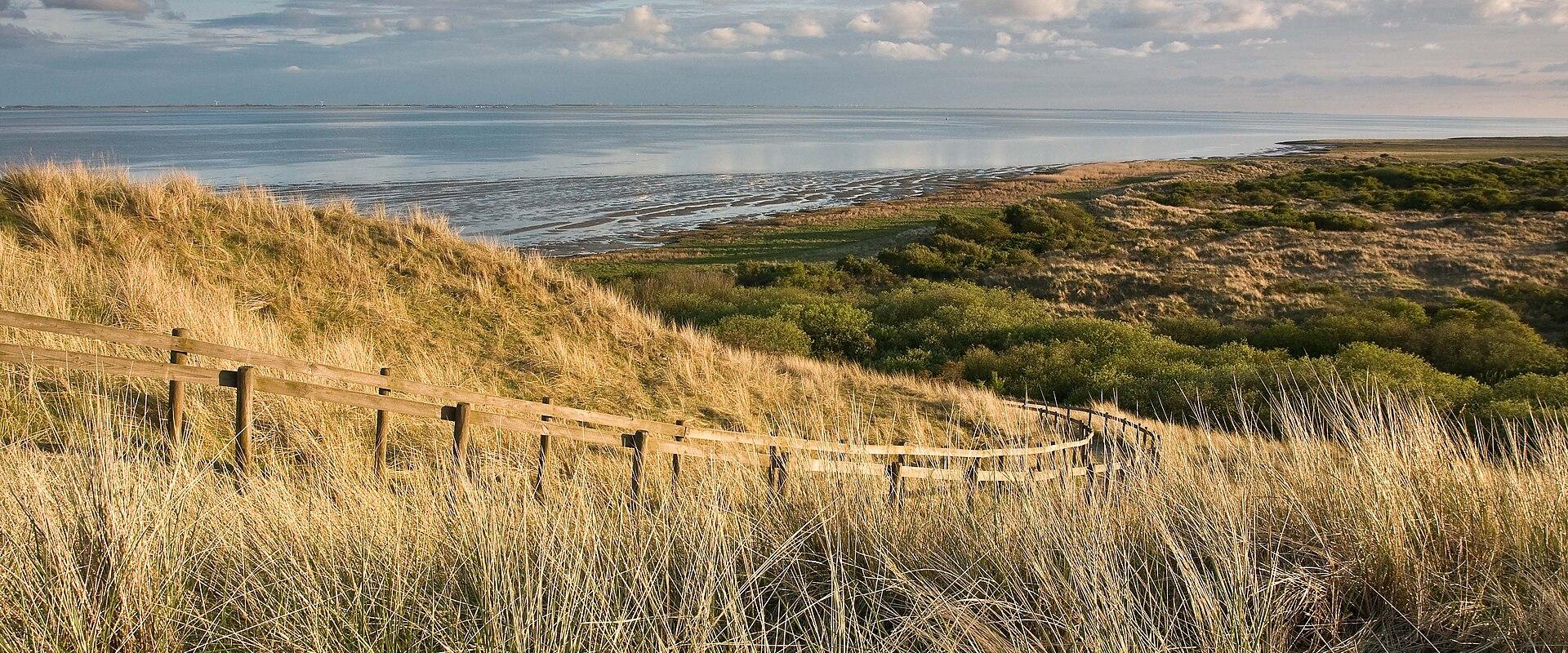
De Oerd is the eastern end of Terschelling, one of the Dutch Wadden Islands, and it is a wild stretch of dunes, beach and salt marsh that is among the most unspoiled landscapes in the Wadden region. The area lies far from the villages on the west side, and a visit usually involves a long walk or bicycle ride along sandy paths. There are few buildings, little sign of human activity and an enormous sense of space, which is the main attraction. The adjoining nature area of the Boschplaat is one of the largest natural reserves in the Netherlands.
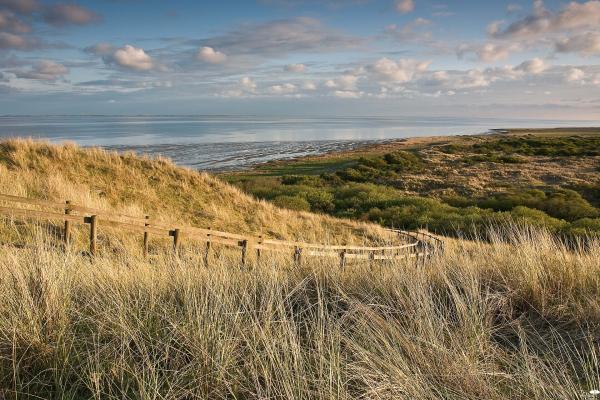
The landscape here is shaped by the sea and wind. The beaches are broad and sandy, and the dunes rise behind them, covered by marram grass and low shrubs that hold the sand in place. On the Wadden side, salt marshes slope gently into the tidal flats, flooded by the highest tides and covered with salt-tolerant plants such as sea lavender and glasswort, which turn the marsh pink and purple in summer. The mudflats beyond are rich in food for birds, and the entire area is part of the Wadden Sea, a UNESCO World Heritage Site.
Birdlife is a highlight. Thousands of waders, including oystercatchers, avocets and godwits, feed on the mudflats and breed in the dunes and marshes, and in spring and autumn migrating flocks pass through on their way between the Arctic and Africa. Spoonbills and various gulls and terns nest in the area, and seals can sometimes be seen on the sandbanks offshore. Because the birds are easily disturbed, some parts of the reserve are closed in the breeding season, so keep to the marked paths and respect any signs.
Terschelling's villages offer a contrast, and the island has other attractions, including the Brandaris lighthouse, the museum on natural history and the Kerk of West-Terschelling. Cycling is the best way to get around, and a number of routes lead east towards the reserve, while organised excursions with a guide allow visitors to learn more about the ecology. The island also hosts the Oerol festival in June, which uses the landscape for theatre and art.
The area suits walkers, cyclists, birdwatchers and photographers who want wilderness. Bring water, food, sun protection and windproof clothing, since there are few facilities, and check the weather and tide times. Allow a full day for a trip to the east end and back.
Categories
More photos coming soon
Nearby Attractions
Other places to visit in Terschelling
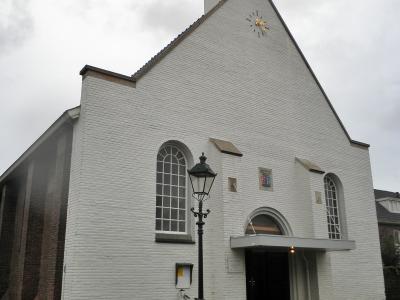
Kerk van West-Terschelling
17th-century Mennonite church with stained glass
Guided Tours · Historic Churches
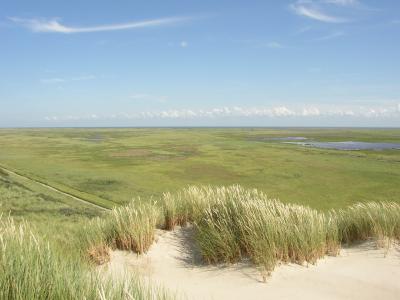
Lauwersmeer National Park (Border Area)
Border park of water, forests, and 30,000 migrating geese
Activities & Adventure · Natural Wonders
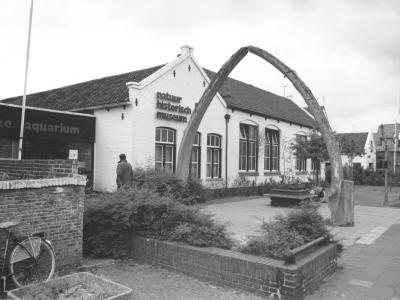
Natuurhistorisch Museum Terschelling
Wadden nature museum with sea aquarium and stingrays
History Museums · Zoos & Aquariums
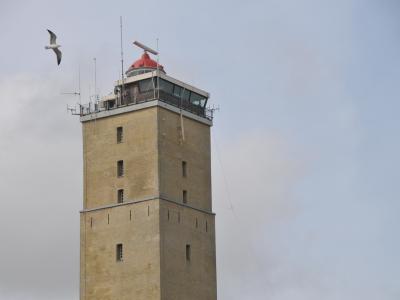
Oude Lighthouse (Oude Vuur)
Netherlands' oldest lighthouse, built in 1594
From €3 Coastal & Maritime · Cultural Experiences
Questions people ask
Quick Facts
Best Time to Visit
Visit in May to September for mild weather and active beach life, or October for autumn colors and fewer crowds.