OVpay contactless check-in is now available across Dutch public transport, while the legacy OV-chipkaart is being phased out. Use the same card, phone, or OV-pas to check in and out on trains, buses, trams, and metros. The system requires strict check-in and check-out procedures. Failing to check out results in a maximum fare penalty. Always tap your card on the yellow reader before boarding. Tap again when you exit the vehicle or station. This ensures you pay only for the distance traveled. Tourists can purchase disposable OV-chipkaart cards at stations. These single-use cards cost a small fee. They are valid for one year from activation. Contactless debit cards, credit cards, phones, and the OV-pas can be used to check in and out across Dutch public transport, including rail; use the same card or device for check-in and check-out. Keep your card safe, as replacement costs money. The system covers the entire Netherlands efficiently. Understanding these rules prevents unexpected charges. Always verify the card balance before traveling. Low balances may prevent you from boarding. The process is simple once you understand the routine. Consistency is key to smooth travel in the Netherlands.
Mastering the NS Rail Network
Nederlandse Spoorwegen (NS) operates the national rail network. This provider connects major Dutch cities efficiently. You will encounter two primary train types. Intercity trains stop at major stations only. They offer the fastest travel between hubs. Sprinter trains serve local and regional routes. These services stop at every intermediate station. Choose your class based on your needs. Second Class is sufficient for most travelers. It provides standard seating and ample space. First Class offers extra comfort and quiet zones. This option costs significantly more per ticket. Real-time information is critical for smooth travel. Digital displays show live departure and arrival data. The official NS app provides detailed journey planning. Use this tool to check for delays. You can also view platform changes instantly. The system updates frequently during disruptions. Always verify your route before boarding. NS trains run frequently throughout the day. Service frequency increases during peak commuting hours. The network covers the entire country effectively. You can reach any major destination by rail. Connections to buses and trams are seamless. Most stations feature direct transfers to local transit. This integration simplifies multi-modal journeys significantly. Plan your trips using official NS resources. Reliable schedules ensure predictable travel times daily.
Regional Buses and Trams
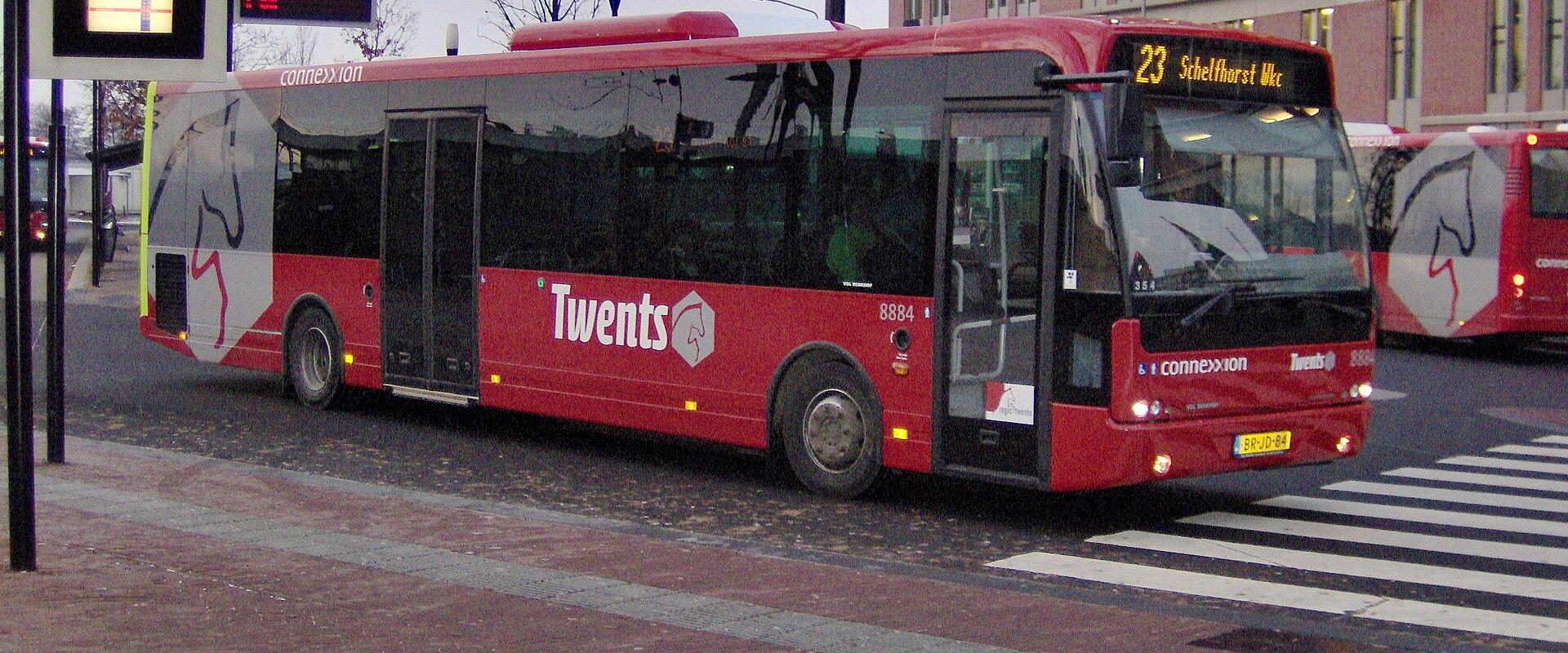
GVB manages Amsterdam’s tram and metro network. This operator handles urban transit within the capital city. Regional operators like Connexxion, Qbuzz, and Arriva serve the rest of the country. These companies run extensive bus networks across provinces. Buses connect rural villages to major urban centers. They also provide access to specific tourist sites. The OV-chipkaart works seamlessly across all regional modes. You must check in and out correctly. This ensures accurate fare calculation for your journey. Integration with the national system is seamless. Your single card covers trains, buses, and trams. Connexxion operates widely in the central and eastern regions. Qbuzz serves the northern provinces effectively. Arriva covers areas in the south and east. These operators coordinate schedules with NS trains. This allows for efficient transfers between modes. Buses are essential for non-urban travel. They fill gaps where rail infrastructure does not exist. The system prioritizes connectivity over speed in rural areas. You will find frequent services in populated zones. Less dense areas may have hourly schedules. Always verify timetables before traveling. The network relies on strict adherence to check-in rules. Fines apply for invalid travel documents. The regional system complements the high-speed rail network. It provides comprehensive coverage for all travelers.
Smart Travel Apps and Resources
Digital tools simplify navigating the Dutch transit network. The NS app is essential for rail travelers. It provides real-time train schedules and platform updates. Users can purchase digital tickets directly within the interface. The app also displays service disruptions instantly. This helps passengers adjust their routes quickly. The 9292 app handles multi-modal journey planning. It combines trains, buses, and trams into one itinerary. This tool is vital for complex cross-city trips. It offers accurate arrival times for all modes. The GVB app focuses on Amsterdam local transport. It manages trams, buses, and metros in the capital. Users can buy day passes and single tickets here. All apps provide critical accessibility information. You can filter routes for wheelchair access or elevators. Real-time updates ensure you avoid delays effectively. These resources reduce stress during your commute. They replace paper tickets with convenient digital options. Downloading these apps before arrival is recommended. They function offline for basic schedule viewing. However, live data requires an internet connection. Using these tools ensures efficient travel across the Netherlands. They integrate seamlessly with the OV-chipkaart system. This creates a unified digital travel experience.
Bicycle Integration and Etiquette
The Netherlands prioritizes cycling alongside public transit. Secure bicycle parking exists at most train stations. These facilities range from simple racks to guarded sheds. NS stations offer extensive covered parking options. Bike rental services are widely available at major hubs. Travelers can rent bicycles directly at station entrances. This allows for seamless first-mile and last-mile connections. However, peak hour restrictions apply to train travel. Bicycles are prohibited on trains during rush hours. These times typically span 06:30 to 09:00 and 16:00 to 18:30. Exceptions exist for specific intercity services. Designated bicycle carriages operate on certain routes. These cars accommodate bikes without extra fees. Standard train tickets cover bicycle transport outside peak times. Always check the NS app for real-time updates. Violating peak hour rules may result in fines. Proper etiquette ensures smooth travel for all passengers. Store bikes in designated areas only. Keep aisles clear for other commuters. This system supports the country’s high cycling culture effectively.