Cycling Through the Polders
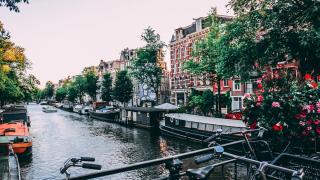
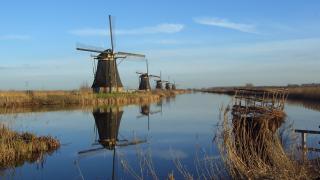
The Netherlands offers extensive cycling infrastructure. Over 35,000 kilometers of dedicated paths exist nationwide. These routes connect urban centers to rural polders. Biking holds deep cultural significance here. It serves as primary daily transport. Urban routes feature separated bike lanes. Cities like Amsterdam prioritize cyclist safety. Rural paths traverse flat agricultural land. Polders provide open, scenic riding environments. Distinct routes separate city from country. Urban cycling demands attention to traffic. Rural cycling allows for longer distances. Renting bicycles requires local specialists. Local shops offer proper maintenance checks. Generic rentals may lack safety features. Local guides know optimal regional routes. They ensure bikes suit terrain types. Safety remains paramount on all paths. Cyclists must follow strict traffic rules. Yielding to pedestrians is mandatory. Signage clearly marks designated cycling zones. Infrastructure supports both commuters and tourists. The network facilitates efficient travel. No cars are permitted on many paths. This ensures a peaceful riding experience. Polders offer unique flat landscapes. Riding through these areas is distinct. The infrastructure supports high volume traffic. Safety records reflect this design. Local knowledge enhances the cycling experience. Specialists provide necessary equipment advice. Proper gear ensures comfort and safety. The network connects major attractions. Rural routes offer quiet alternatives. Urban routes provide efficient transit. Both require adherence to local laws. The system prioritizes cyclist protection. Infrastructure quality remains consistently high. This supports widespread cycling adoption. The cultural norm encourages daily use. Tourists benefit from this design. Local specialists ensure proper bike fit. This prevents mechanical issues during rides. The experience is defined by safety. The network is comprehensive and reliable.
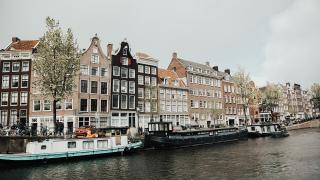
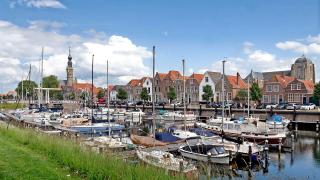
The Netherlands features extensive waterways for outdoor recreation. Kayakers explore the Wadden Sea’s unique tidal flats. This UNESCO World Heritage site offers distinct wildlife viewing. Tides dictate access, requiring careful timing and planning. Safety gear is essential for these dynamic environments. The IJsselmeer provides calm waters for sailing enthusiasts. This former inland sea supports windsurfing and yachting. Strong winds often create ideal conditions for sports. Coastal regions like Zeeland and North Holland offer diverse activities. Dunes and beaches attract swimmers and kite surfers. Open water sailing demands strict adherence to safety protocols. Tidal currents in the Wadden Sea can be hazardous. Always check local weather and tide forecasts before departure. Life jackets are mandatory for all watercraft users. Rental equipment is widely available in major hubs. Prices vary by season and equipment type. Guided tours provide valuable safety instruction for beginners. These tours cover navigation and emergency procedures. The network of canals connects cities effectively. Punt boats offer a traditional way to explore urban waterways. This method requires minimal technical skill. It remains popular for leisurely sightseeing. Coastal paths support walking and cycling alongside water activities. The combination of land and sea creates unique experiences. Proper preparation ensures safe enjoyment of these natural resources. Local authorities maintain clear safety guidelines for all users.
Hiking the Dune and Forest Trails
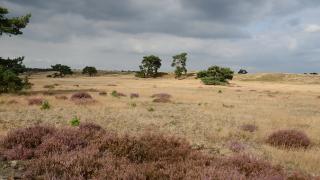
Hikers explore diverse landscapes across the Netherlands. Veluwe National Park offers extensive forest trails. These paths wind through sandy heathlands. The terrain varies significantly from flat to rolling. Kennemerland National Park features coastal dune systems. Trails here provide views of the North Sea. Sand dunes shift constantly, requiring marked path adherence. Visitors must stay on designated routes to protect fragile ecosystems. Bird nesting areas remain strictly off-limits during spring. Trail etiquette emphasizes quiet observation of wildlife. The Netherlands maintains high conservation standards for natural reserves. Hikers can combine nature walks with cultural visits. Historic villages often border these national parks. This allows for efficient itinerary planning. Access to most parks is free. Some specialized guided tours require fees. Equipment needs are minimal for standard trails. Sturdy footwear remains essential for uneven dune terrain. Weather changes rapidly in coastal zones. Layered clothing is recommended for all seasons. The network of paths connects various regions. This facilitates multi-day hiking trips without transport. Local signage is clear and consistent. Maps are available at park entrances. Information centers provide current trail conditions. Safety relies on staying within marked boundaries. Unmarked areas may contain unstable sand or protected zones. Hikers should respect local regulations strictly. This ensures preservation for future visitors. The combination of forest and dune offers unique biodiversity. Species include wild horses and rare plants. Observing these requires patience and silence. The experience is distinct from other European destinations. The managed landscape allows easy access. No technical climbing skills are necessary. Families find these trails suitable for all ages. The infrastructure supports both casual walkers and serious hikers.
Seasonal Considerations and Gear
The Netherlands experiences highly variable maritime weather. Wind speeds frequently exceed safe limits for open activities. Rain occurs year-round, requiring waterproof outer layers. Pack a durable windbreaker for coastal hikes. The Wadden Sea tides dictate safe access times. Check local tide tables before visiting tidal flats. Spring brings unpredictable showers to the Veluwe. Summer offers long daylight hours for cycling. Autumn winds intensify along the North Sea coast. Winter conditions may freeze polder paths. Ice skating becomes a popular seasonal activity. Essential gear includes moisture-wicking base layers. Bring sturdy, waterproof hiking boots for muddy trails. A compact umbrella provides limited protection in heavy rain. Always monitor real-time weather forecasts via KNMI. Local conditions change rapidly near water bodies. Carry a portable power bank for navigation devices. Reflective vests are crucial during short winter days. Layer clothing to adjust to temperature shifts. Avoid cotton fabrics that retain moisture. Check trail closures due to high water levels. Seasonal festivals often alter route accessibility. Plan activities around official weather warnings. Safety depends on accurate local information. Prepare for sudden shifts in wind direction. Proper gear ensures comfort in damp conditions. Verify opening hours for national parks. Some trails close during bird nesting seasons. Respect local signage regarding restricted areas. Stay informed about flood warnings in low-lying regions. Adapt your itinerary based on daily forecasts. Prioritize safety over rigid schedules. Reliable equipment prevents discomfort in wet weather. Stay updated on regional weather alerts. Prepare for both sun and rain. Flexibility is key to enjoying Dutch outdoors.
Top Operators and Booking Tips
Select licensed operators for cycling and water sports in the Netherlands. Reputable companies provide well-maintained bicycles and safety gear. Guided tours enhance safety on busy urban paths. Instructors monitor traffic flow and signal hazards. This reduces accident risks for inexperienced riders. Advance booking is essential during peak seasons. Summer months see high demand for kayak rentals. Reserve equipment weeks ahead to secure slots. Check for NVBS or KNWU certifications. These bodies enforce strict safety standards for guides. Verify operator reviews on trusted travel platforms. Look for recent feedback regarding equipment quality. Ensure operators provide life jackets for water activities. Dutch regulations mandate specific safety protocols for rentals. Confirm insurance coverage before finalizing any booking. Avoid unlicensed street vendors offering last-minute deals. They often lack proper maintenance or insurance. Use official websites for transparent pricing. Average rental costs range from €10 to €20 daily. Guided tours typically cost €30 to €50 per person. Prices vary based on duration and group size. Always carry a valid ID for verification. Digital tickets are widely accepted by major operators. Print backups are recommended for rural areas. Check weather forecasts before heading outdoors. Dutch winds can change conditions rapidly. Adjust plans if severe weather warnings appear. Safety remains the priority for all outdoor pursuits.