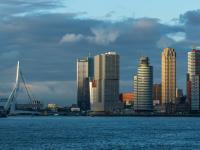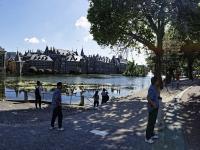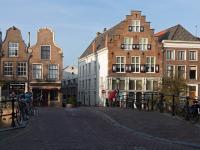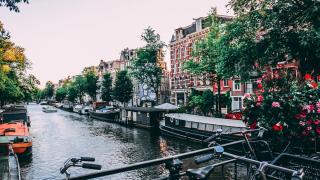
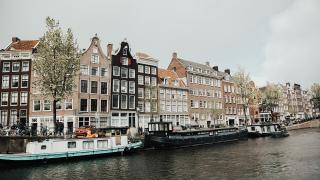
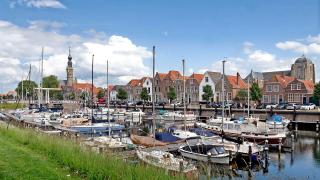

The Netherlands maintains a high density of cultural institutions within its major urban centers. Amsterdam, Rotterdam, and The Hague host numerous galleries and museums. This concentration supports a popular 'museum hopping' travel strategy for visitors. You can efficiently visit multiple sites in a single day. The curation blends deep historical archives with contemporary art exhibitions. This mix defines the unique character of Dutch cultural spaces. Strategic planning is essential due to high visitor demand. Many major institutions require timed entry tickets for access. Walk-in availability is often limited during peak seasons. You should book tickets online weeks in advance. Operational rhythms vary by institution and season. Some venues close on specific weekdays or holidays. Understanding these schedules prevents wasted travel time. The History of Art.org provides detailed city guides. These resources list specific museums and current exhibitions. Practical visit planning information helps optimize your itinerary. Dutch museums often feature extensive collections of local heritage. Galleries frequently showcase emerging European artists. The infrastructure supports seamless navigation between venues. Public transport connects most major cultural districts effectively. You can rely on clear signage and maps. Planning ensures you experience the full scope of Dutch art. Rushing through without preparation leads to missed opportunities. Prioritize your top choices before arrival. This approach maximizes your cultural engagement in the Netherlands.
Mastering the Booking Ecosystem
Major Dutch museums enforce mandatory online reservations. Walk-up tickets are rarely available at popular venues. You must book slots weeks in advance. This prevents disappointment during peak tourist seasons. The Museumkaart offers significant value for extended stays. This annual pass grants free entry to over 400 institutions. It costs approximately €75 for residents. Non-residents can purchase a one-year pass for similar access. This card covers major sites like the Rijksmuseum. It also includes smaller regional galleries and historic houses. Online purchases often yield small discounts. Many platforms offer reduced rates for digital ticketing. Students and seniors receive additional price reductions. Always verify eligibility requirements before booking. These demographic discounts vary by institution. Advance planning ensures smoother entry procedures. You avoid long queues at ticket counters. The system streamlines the visitor experience significantly. Budget travelers should compare Museumkaart costs against individual tickets. Calculate total visits before purchasing the annual pass. This strategy maximizes savings for serious art enthusiasts. Early booking remains the most critical step. Secure your preferred time slots immediately. This approach guarantees access to top-tier exhibitions. It also allows for flexible itinerary adjustments. The digital ecosystem prioritizes efficiency and crowd control. Plan your cultural tour with precision. This method respects both visitor and institution needs. It ensures a seamless Dutch museum experience.
Curating Your Itinerary by Region
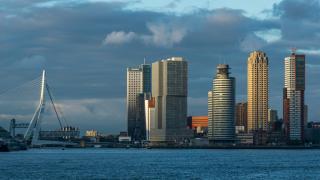
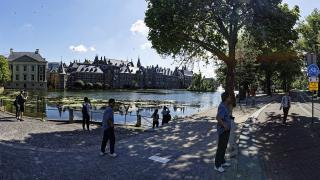
Group visits by city to maximize cultural immersion. Amsterdam centers on Golden Age masters and Van Gogh. The Rijksmuseum houses Rembrandt’s Night Watch. Van Gogh Museum displays over 200 paintings. Book tickets months ahead for these venues. The Hague offers comprehensive art history. The Mauritshuis features Vermeer’s Girl with a Pearl Earring. Gemeentemuseum holds the world’s largest Mondrian collection. Rotterdam emphasizes modern architecture and innovation. Kunsthal hosts rotating contemporary exhibitions. Boijmans Van Beuningen stores art in climate-controlled vaults. Visit during weekdays to avoid crowds. Allocate two days per major city. This structure ensures efficient travel logistics. You avoid backtracking between distant regions. Deep focus replaces superficial sightseeing. Prioritize museums with mandatory reservations. Check opening hours before traveling. Many Dutch museums close on Mondays. Plan your route around these closures. This approach reduces travel fatigue. It allows deeper engagement with each institution. Regional grouping simplifies accommodation choices. Stay near the museum district in each city. This saves time on public transport. You gain a clearer understanding of Dutch art evolution. Start in Amsterdam for historical context. Move to The Hague for royal collections. End in Rotterdam for modern perspectives. This sequence creates a logical narrative. It highlights the diversity of Dutch culture. Each city offers distinct artistic strengths. This method provides a structured educational experience. It transforms a simple trip into a curated study.
Spring and summer months bring heavy tourist traffic to Dutch museums. The Rijksmuseum and Van Gogh Museum experience peak congestion. Visitors often face long queues during these periods. Shoulder seasons offer a significantly quieter experience. April and May provide mild weather with fewer crowds. September and October also see reduced visitor numbers. This timing allows for better access to popular exhibits. Strategic timing is essential for a smooth visit. Arrive at opening time to beat the main crowds. Late afternoon slots also tend to be less busy. Many museums extend hours on specific weekdays. Check individual museum websites for updated schedules. Exploring regional museums provides a peaceful alternative. Smaller institutions in cities like Utrecht or Leiden attract fewer tourists. These venues often feature unique local collections. You can view art without the usual rush. This approach enhances the overall cultural experience. It allows for deeper engagement with the artwork. Avoiding major hubs during peak hours saves time. Plan your itinerary around these quieter windows. This strategy ensures a more relaxed museum visit. You will appreciate the art more fully. The Netherlands offers diverse options beyond the big names. Consider visiting lesser-known galleries in smaller towns. These spaces provide authentic cultural insights. They remain accessible even during busy seasons. This method balances popular sites with hidden gems. It creates a well-rounded Dutch art tour.
Accessibility and Visitor Amenities
Dutch museums prioritize comprehensive accessibility for all visitors. Major institutions like the Rijksmuseum and Van Gogh Museum provide full wheelchair access. Ramps and elevators connect all exhibition floors. Accessible restrooms are available near main entrances. Visitors with visual impairments can request tactile guides. Some galleries offer audio descriptions for key artworks. Neurodiverse visitors may benefit from quiet hours. Check specific museum websites for scheduled sensory-friendly times. Most venues provide free Wi-Fi throughout the building. This allows easy access to digital maps and guides. On-site cafes serve coffee and light meals. Prices range from three to eight euros per item. Family-friendly programs include interactive workshops for children. These activities often require separate booking. Strollers are permitted in most gallery spaces. However, large groups may need to check in. Contact museums directly for specialized assistance. Advance notice ensures staff can prepare necessary accommodations. This is crucial for complex mobility needs. Many museums offer discounted entry for students. Seniors and locals often receive reduced rates. Always verify current policies before your visit. Rules regarding service animals vary by institution. Most welcome certified assistance dogs without charge. Comfortable seating areas are located in main halls. These spots allow visitors to rest between exhibits. The Netherlands maintains high standards for public comfort. This reflects a broader commitment to inclusive tourism. Practical planning enhances the overall cultural experience significantly.