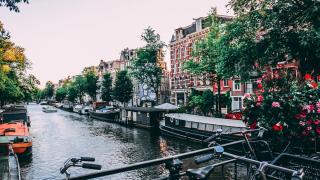
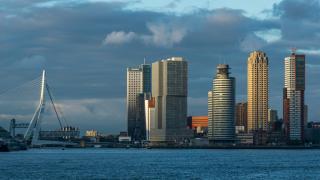
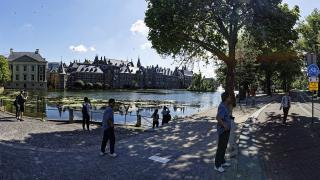
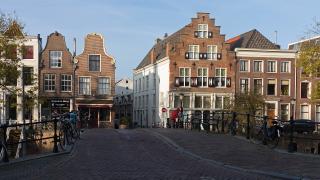
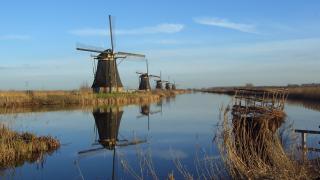

Dutch heritage integrates seamlessly into daily life. The poldermodel influences heritage management through consensus. This approach ensures broad public support for preservation efforts. Tangible assets include historic canals and windmills. Intangible traditions encompass Sinterklaas and King’s Day. The Golden Age left significant architectural legacies. Modern social structures prioritize accessibility for all visitors. Museums operate with standardized opening hours. Most sites charge entry fees around €20. Bicycles remain the primary transport method. This facilitates easy access to historic districts. The Netherlands maintains strict conservation standards. These rules protect both urban and rural sites. Travelers encounter well-maintained historic environments. The focus remains on practical preservation. This model distinguishes Dutch heritage from other European frameworks. It emphasizes community involvement and shared responsibility. Visitors experience history as a living entity. The infrastructure supports seamless navigation. This creates an interactive and accessible cultural landscape.
Architectural Landmarks
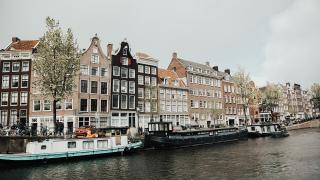
Kinderdijk and Zaanse Schans are UNESCO World Heritage sites. These locations preserve essential Dutch windmill technology. The Zaanse Schans offers open-air museum access. Kinderdijk features nineteen historic mills along the Lek river. Amsterdam’s canal houses display distinct gable styles. Step gables and neck gables reflect merchant wealth. These structures date primarily from the Dutch Golden Age. The De Stijl movement emerged in the early twentieth century. Mondrian and Rietveld defined this abstract architectural style. The Rietveld Schröder House in Utrecht is a key example. This building showcases primary colors and open floor plans. Visit these sites during weekdays to avoid crowds. Many windmills operate only on specific days. Check official websites for current opening hours before traveling. Public transport connects major heritage sites efficiently. Amsterdam Centraal station provides easy access to Zaanse Schans. Guided tours offer deeper historical context for canal houses. The Netherlands maintains strict preservation laws for these landmarks. Visitors should respect restricted areas within historic buildings. Proper footwear is recommended for cobblestone streets. Photography is generally permitted but flash may be restricted indoors.
Museum Collections
The Rijksmuseum houses Rembrandt’s The Night Watch. This Amsterdam icon requires advance booking. The Van Gogh Museum displays over 200 paintings. Tickets sell out weeks in advance. You must reserve specific entry times. The Anne Frank House offers profound historical context. Access is strictly limited to preserve the site. Online reservations are mandatory months ahead. Madurodam features miniature replicas of Dutch landmarks. It provides a unique scale perspective. The Museum Card (Museumkaart) grants free entry. This annual pass costs approximately €75. It covers most major national museums. Niche museums offer specialized regional histories. These sites often have shorter queues. Always check official websites for hours. Prices vary by collection and season. Group bookings require separate arrangements. Photography rules differ by institution. Some galleries prohibit flash photography. Audio guides are available in multiple languages. They enhance understanding of Dutch art. Plan visits during weekdays for fewer crowds. This strategy improves the overall experience. The Museum Card does not cover special exhibitions. Separate tickets are required for these events. Verify all details before traveling. This ensures a smooth heritage journey.
Living Traditions
King’s Day transforms streets into orange festivals. Citizens sell secondhand goods on sidewalks. Sinterklaas arrives by boat in November. Children place shoes for treats. These events define communal joy. Traditional foods like stroopwafels offer sweet comfort. Bitterballen accompany drinks in social settings. Bruin cafés provide historic, dimly lit atmospheres. These venues foster deep local conversation. Patrons engage in direct, honest dialogue. Dutch communication values clarity over politeness. Visitors should expect blunt feedback. This directness reflects cultural honesty. It is not personal rudeness. Understanding this norm aids integration. Respectful participation requires active listening. Engage in topics without hesitation. Food sharing strengthens community bonds. Festivals encourage public interaction. Participate by joining street markets. Buy local crafts directly. Support traditional artisans. This sustains living heritage. Avoid loud behavior in quiet zones. Maintain orderly conduct during parades. These actions show cultural respect. They ensure traditions remain vibrant. The Netherlands preserves these customs actively. They connect past and present. Travelers gain authentic local insight. This approach enriches the heritage experience significantly.
Planning Your Visit
Visit during spring or autumn for mild weather. Summer crowds increase significantly at major sites. The Netherlands offers extensive cycling infrastructure. Renting a bike provides efficient access to heritage locations. Many museums require advance online bookings. The Rijksmuseum and Van Gogh Museum sell out weeks ahead. Walk up to museums is often unavailable. Arrive early to avoid long queues. Dutch museums typically open at 10:00 AM. Closing times vary by institution. Check specific hours before traveling. Respect quiet zones in historic districts. Photography rules differ across venues. Some sites prohibit flash photography. Carry cash for small vendors. Many rural heritage sites prefer cash payments. Public transport connects major cities effectively. Trains run frequently between Amsterdam, The Hague, and Rotterdam. Consider an OV-chipkaart for seamless travel. Dress in layers for unpredictable weather. Comfortable walking shoes are essential for cobblestone streets. Plan extra time for security checks at popular museums.