Coastal Geography Overview
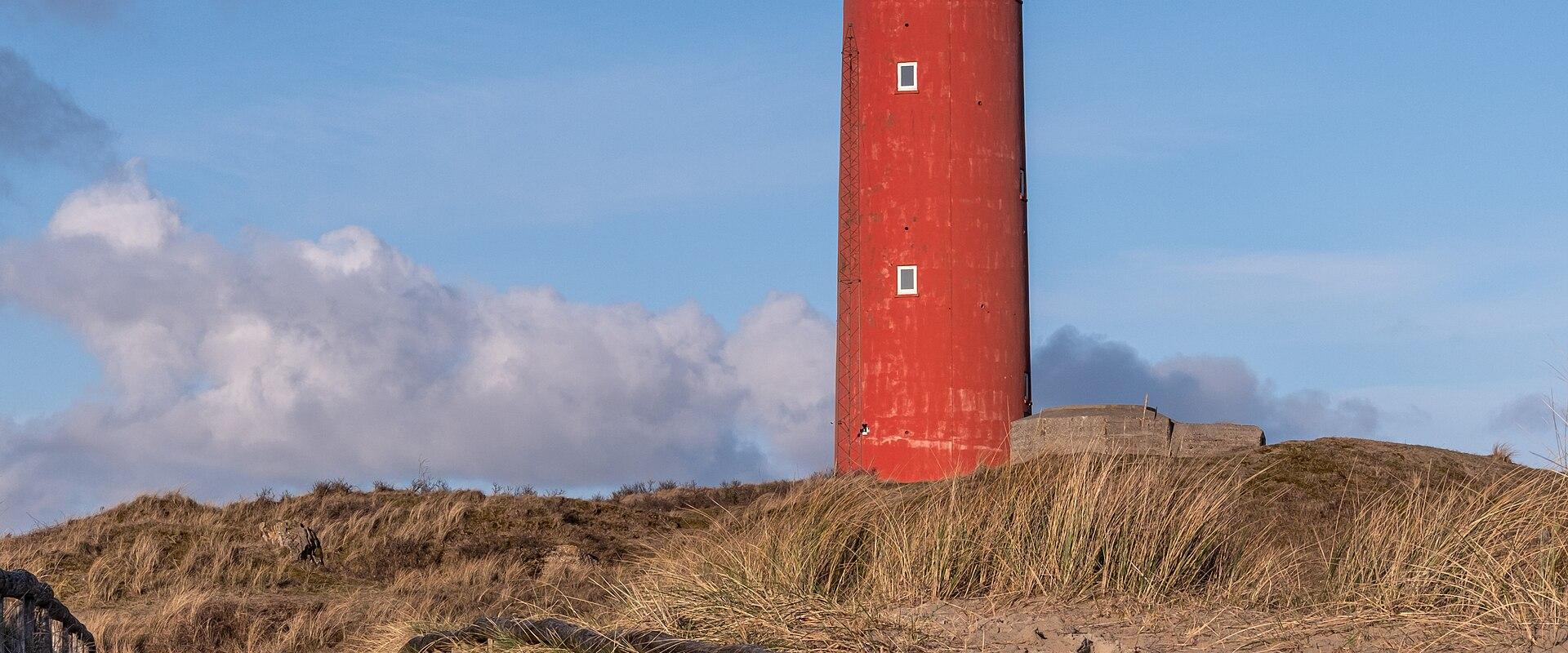
The Netherlands features a 450-kilometer North Sea coastline. This strip includes sandy beaches and protective dunes. Massive dikes separate the sea from inland polders. The northern coast near Texel remains wild and undeveloped. Southern beaches near Scheveningen are highly developed and urban. Water temperatures remain cool year-round, typically below 20°C. These conditions suit swimming and windsurfing activities. The IJsselmeer offers calmer waters for family swimming. Dunes provide natural barriers against storm surges. Beaches are generally clean and well-maintained by local authorities. Visitors should check daily tide schedules before visiting. The flat terrain allows easy access from major cities like The Hague. Coastal management prioritizes erosion control and safety. This infrastructure ensures consistent beach quality for tourists and residents alike.
Top Beach Destinations
Scheveningen offers an urban beach experience near The Hague. It features a lively pier and vibrant nightlife. Visitors enjoy numerous restaurants and hotels along the promenade. Zandvoort provides a classic resort atmosphere. Its wide sandy shores attract families seeking relaxation. The nearby circuit hosts major racing events annually. Katwijk retains its traditional fishing village charm. Strong currents make it popular for kite surfing. Beginners should take certified lessons before entering the water. Egmond and Bloemendaal offer quieter, nature-focused alternatives. These dunes protect the coastline from erosion. The area is ideal for peaceful walks. Texel Island delivers an uncrowded island experience. Ferries depart from Den Helder for the crossing. The beach remains less commercialized than mainland spots. Facilities are basic but functional. Each destination serves different traveler needs effectively. Safety flags indicate swimming conditions daily. Lifeguards monitor designated zones during summer months. Always check weather reports before visiting.
Safety and Water Conditions
Lifeguards monitor popular Dutch beaches like Scheveningen during summer. Look for red and yellow flags indicating supervised zones. Swimming outside these marked areas is strictly prohibited and dangerous. Strong rip currents frequently occur along the North Sea coast. These currents can quickly pull swimmers away from shore. Always swim between the flags where lifeguards can assist. Water temperatures remain cold year-round, even in July. Average sea temperatures rarely exceed twenty degrees Celsius. Cold water induces hypothermia and muscle cramps rapidly. Limit swimming time to twenty minutes to prevent shock. Tidal changes are significant along the entire Dutch coastline. The North Sea tide can rise several meters quickly. Check local tide tables before entering the water. Sudden surges can trap unwary visitors against dikes. Supervise children closely at all times near the water. Lifeguards are present only at designated, busy beach sections. Remote stretches lack professional monitoring and emergency support. Always heed warning signs posted by local authorities. Respect barriers and closures to ensure personal safety.
Practical Amenities and Access
Public transport connects major Dutch beaches efficiently. Trams reach Scheveningen directly from The Hague center. Buses serve Zandvoort and other coastal towns. This avoids parking fees and traffic congestion. Most popular beaches offer extensive amenities. Sunbeds and umbrellas are available for rent. Prices vary by location and season. Showers and changing rooms are standard at main sites. Food options range from snack bars to full restaurants. Facilities vary significantly by specific location. Smaller, less developed beaches may lack services. Bicycle rentals are widely available near beach entrances. Cycling along the dunes is a popular activity. Dedicated paths separate cyclists from pedestrians. Parking is limited at high-demand spots. Arrive early to secure a space. Public transport remains the most reliable option. Avoid driving during peak summer weekends. Check local schedules for seasonal changes. Dune exploration requires staying on marked paths. This protects fragile coastal ecosystems. Respect all signage and barriers. Safety and access depend on local regulations. Plan your visit around transport times.
Seasonal Activities and Events
Summer brings active water sports to Dutch beaches. Windsurfing and kitesurfing thrive in strong coastal breezes. Beach bars open daily near Scheveningen and Zandvoort. These venues serve local snacks and cold drinks. Spring and autumn offer cooler walking conditions. The wide sandy shores are ideal for long hikes. Kite flying is popular during windy autumn days. Winter transforms the coast into a stark landscape. The North Sea creates dramatic waves and grey skies. Photographers capture the rugged dunes and empty beaches. Special events occur at major coastal towns. Scheveningen hosts summer festivals and music concerts. Guided tours explore the unique dune ecosystems. Experts explain the local biodiversity and conservation efforts. These walks highlight rare plant species and bird life. Visitors learn about the delicate balance of the coast. Practical access remains key for all seasons. Public transport connects all major beach destinations efficiently. This ensures easy travel without parking hassles. The Netherlands offers distinct seasonal experiences along its shore.