







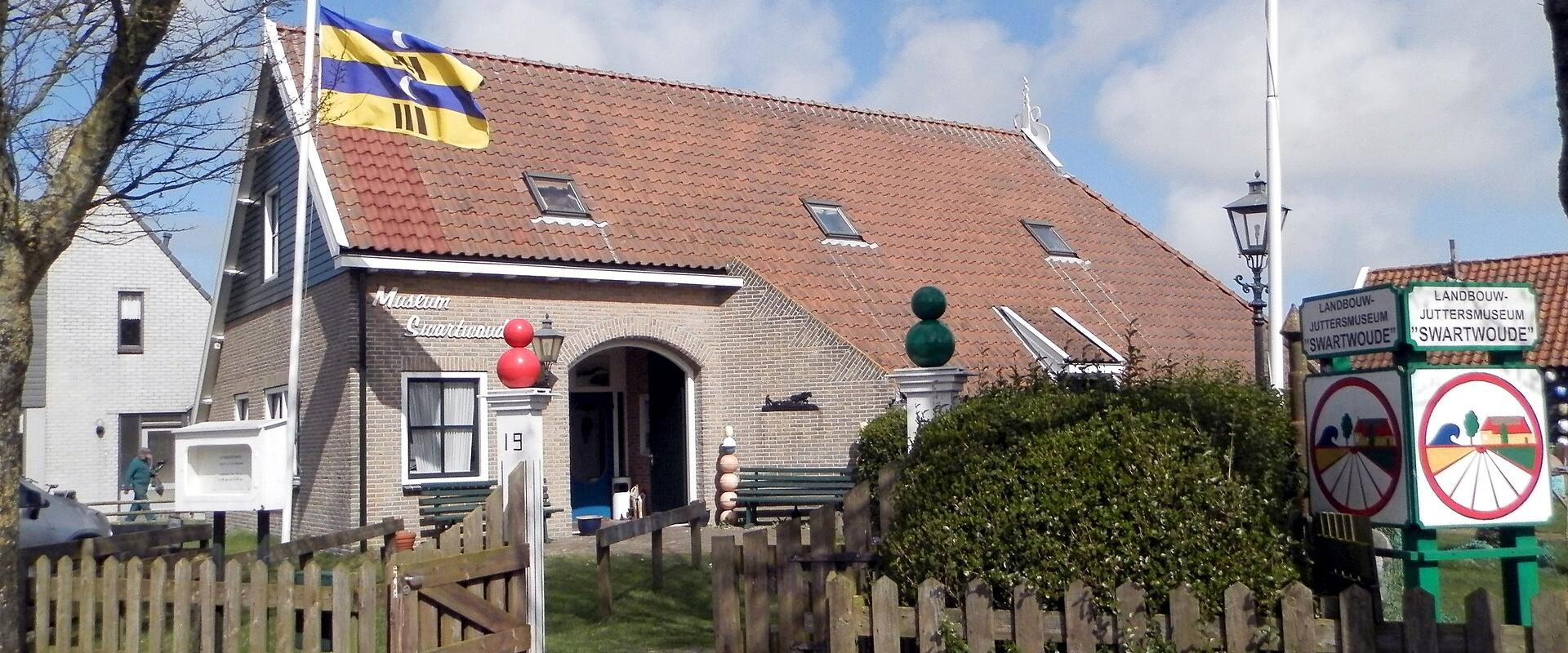
Landbouw Museum (Agricultural Museum)
Wageningen campus museum dedicated to global soil science
- Where
- Wageningen, Veluwe
- Directions
- Directions
Wageningen is a small city on the Nederrijn in Gelderland, and it has a worldwide reputation in agriculture, food and the natural environment. Wageningen University and Research, which grew out of an agricultural college founded in the late nineteenth century, trains students from all over the world and has several of the largest institutes for research on plants, animals and soils in Europe. The city's character as a place for the study of food and the land is the reason for the agricultural museum and the museums close to it. Details of the Landbouw Museum are hard to pin down, and the museum most closely tied to the theme is the World Soil Museum on the university campus, so this account follows what visitors can find there.
The World Soil Museum belongs to an international soil institute, and it is built around soil monoliths, preserved vertical slices of earth, taken from many countries and mounted so that the layers can be seen. A soil profile, as scientists call it, shows layers of different colours and textures that record the history of a place, with the dark topsoil full of organic matter, the paler layers below and the parent rock at the bottom. Soils from the tropics, the steppes, deserts, forests and farmland are shown side by side, and the differences are striking, with vivid reds, yellows, blacks and greys. The collection is used for teaching and research as well as for public display.
The exhibition explains how soils form over hundreds or thousands of years, why they differ and what they do. Soil provides the ground in which food crops grow, stores water and carbon, filters pollution and supports a vast number of living organisms, and the museum shows how much depends on a resource that most people never think about. It also deals with threats to soil, among them erosion, salt, compaction and loss of fertility, and with the work of scientists to manage the land sustainably. Interactive screens and clear labels keep the science accessible.
The museum is small and has limited opening hours. It is open to the public on certain afternoons and by appointment for groups, so check before going. The campus setting is pleasant, with modern research buildings among trees and green space.
Wageningen has other attractions. The Belmonte Arboretum, the old market square, the river floodplains, the Blauwe Kamer nature reserve and a ferry across the Nederrijn are within reach. In May 1945 the German surrender in the Netherlands was negotiated here. The museum suits students, teachers, gardeners and anyone curious about the ground beneath their feet. Allow about an hour.
Categories
More photos coming soon
Nearby Attractions
Other places to visit in Wageningen

Market Square (Markt)
Weekly markets at the Grote Kerk
Free Cultural Experiences · Food & Gastronomy

Rhenen-Wageningen Ferry
Free car ferry crossing the Nederrijn
Coastal & Maritime · Natural Wonders

Wageningen Museum Village (Openluchtmuseum)
Historic Dutch village showcasing rural life from 1850 to...
Guided Tours · History Museums

Wageningen University & Research Campus
Leading life sciences research and education campus
Gardens · Guided Tours
Questions people ask
Quick Facts
Best Time to Visit
Visit in April to September for mild weather and vibrant outdoor activities, or October for autumn colors and fewer crowds.